Gardens on the Edge
I have heard so often that we are a nation of gardeners. If I were a social prescriber, I would say that being outside, caring for another living thing and getting our hands in soil are very therapeutic. No wonder community gardens have helped so much for people’s Mental Health. People can lose themselves and forget their troubles when they have something else to focus on.
As a former florist and when I was able to garden in the past, I recognise this as an art form, a creative process, and this was shown in all its glory as this year’s Chelsea Flower Show.
‘Gardens on the Edge’, designed by Sarah Eberie and in association with The Campaign to Protect Rural England, won overall best show garden, and it’s not difficult to see why.
The central theme was a beautiful wooden sculpture of Mother Nature, carved from an 11-meter Coast Redwood tree, Sequoia, with flowing hair from willow thatch into a dry stone wall. Mother Nature is lying on her side, asleep, resting and looking peaceful, just as we could feel peaceful when surrounded by trees and nature.
See here for a full picture.
But where does the term Mother Nature come from?
The term is rooted in thousands of years of tradition and myth. It is a powerful reminder of us all being at one with the Universe and of the Earth’s ability to sustain, nurture and create all living things.
Gaia is the name for Mother Nature from the Greek, the name given to this garden’s centre- piece but the Romans also referred to her as Terra Mater.
This garden’s designers also included:
Chris Wood- wood sculpture
Tom Hare- willow artist
Fran Clifton and others from a horticultural team.
The garden’s overall structure was built by The Outdoor Room.
Wood sculpture is indeed a specialist skill. My own father loved to turn wood into many different objects and used pyrography to decorate these to sell at craft fairs. Suitable wood for large scale project are Redwood and Cedar, Oak and Sweet Chestnut.
In ‘Gardens on the Edge’, the landscape design included: Hawthorn, Silver Birch and Field Maple.
The Garden’s central aim was to send a clear message that our towns and cities are under increasing threat for development. Recent planning changes allow developers to build on Green Belt sites, reclassified as Grey Belt (land considered to be of poor quality and neglected to provide suitable land stock to meet the increased housing needs). This poses a difficult question- the legitimate need for more housing and the balance between preserving areas for conservation. Currently, 250,000 homes are proposed to be built on Greenfield sites. Planning inspectors now have a final say over Local Authorities, making it harder to block new builds.
My personal view is that every square acre of the UK needs a new and carefully managed plan, which includes reform of all housing legislation. Using empty houses left vacant, capping the number of holiday and second homes, and implementing an aggressive and proactive farming policy to protect farmers and food supplies. Incorporating lots of Green Space when planning new communities, and agencies/ Governments- both locally and nationally to work together with a united front over how our precious land can be protected.
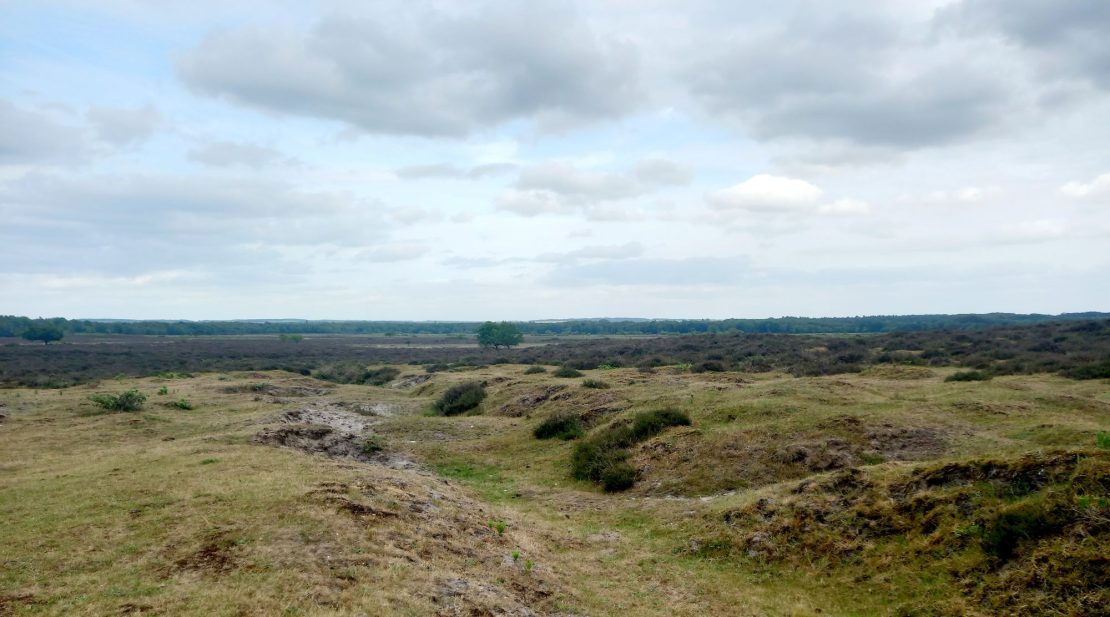
Roydon Common, King’s Lynn, Norfolk
The conflicting needs of more numbers needing to live here to pay for our economy against an ever-increasing population, and the decline in birth rates are very difficult issues to solve. As someone on the edge of her own housing needs, I have never been so shocked at how broken our national housing policies are.
Ultimately, we have to remember that If we have no wildlife, no worker bees, no pollinators left, then we as a species will die because we will not be able to grow our own food. The dystopia of mass starvation and food rioting could become a terrifying future prospect.
This garden’s future is for a relocation to a regenerated housing development in Urban Sheffield Park Hill, where the legacy of its early campaigners will be a lasting reminder of the need for nature and us to thrive together.
“To be one with Nature means to attain the greatest spiritual and physical connection with the Earth to sustain health.”
‘Mother Nature’ – Shmaltz and Menudo
Gardens on the Edge represents more than just being able to walk on the fringes of towns seeking solace and some natural respite. We could all be ‘on the edge’ for our survival.
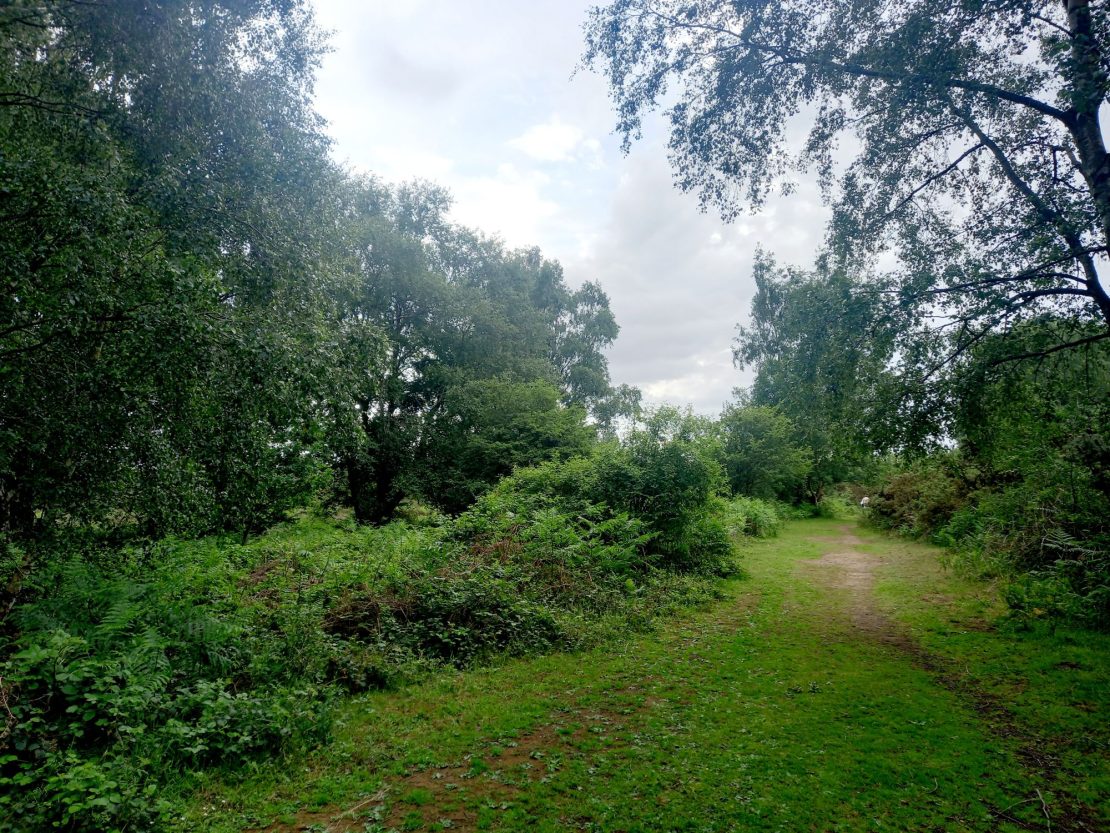
Roydon Common, King’s Lynn, Norfolk ( preserved area of outstanding natural beauty)
Next Time:
My discovery of the late nature writer Roger Deakin and his own example of land, art and man living side-by-side at his beloved Walnut Tree Farm, near Diss.
References:
The Origin of “Mother Nature” – Plant Me Green https://share.google/Ti2NE4eSnaZRFr2Fa
The Campaign to Protect Rural England Garden: ‘On the Edge’ at RHS Chelsea Flower Show 2026 / RHS https://share.google/kBA55frDScuwxUBL5
Stop building on countryside, says Chelsea’s garden-of-the-year winner https://share.google/cuVFBzI8CZ0p3ZqKJ
Famous Sayings #147 — ‘Mother Nature’ – Shmaltz and Menudo https://share.google/Qnnyv3zHeQ3jtjssy
