Posts by: Helen Marshall

Car Lost, Buses Gained

  |   By  |  0 Comments

( My changing relationship with public transport since not being able to drive)

I have no pictures for this post as it didn’t seem appropriate to try and photograph buses on the main road with drivers and travellers looking on, and of course for their privacy.

I hope my words convey enough of an image. The car and the buses are vehicles to convey our relationships, not only with them but with us. The world in general is the backdrop, alongside my original art form through poetry- speaking of connections and new understandings to sudden changes in life.

Car

Cylinders on wheels

Metal sides

Canned conversations

Car radio companion

As your thoughts race on

To your destination.

Independent freedom

No sense of waiting

Behind the wheel

Invincible

Indestructible,

Your foot guides you

Glides you to any location.

Until the vehicle’s owner malfunctions

Breaks down

Falls down

Ceasing the ignition

You come to a junction and STOP!

Wedded to your car

Such a sickening separation

Akin to loosing a limb

World closes in

As the plastic permission to drive

Takes a nosedive

Life stalls

You feel appalled

As the steering wheel of your life

Loses control

Vanished overnight

In a blink of an eye.

Buses

This was not how it was supposed to be

Me, a passenger riding out to see the sea

In a squarer can on wheels

Never thought it would appeal

Seats occupied by strangers

Full of chatter,

I, daring to speak

Moving closer to seek

A deeper connection

Away from steering wheels

With free hands,

Nothing like this was ever planned.

Your eyes gaze towards open fields

Eyes once focused on road

Are now revealed

To a bigger view

Of skies and trees

And not just landscape,

A view of slowed down time.

Patience starts to rain

Down on bus stops

And windowsills.

Who needs pills?

When the number 34

Which has done this journey

So many times before

Is telling you of

A new direction.

Who would have thought it?

Wedded to a car

Now divorced and destined to go far

Beyond my narrow perception

A whole new conception

A chance encounter,

A hello and soft goodbye

See you again maybe,

A presence remains

In that moment etched.

The camera with owner

The cigarette at the bus stop

Waiting for an invitation and

Permission to be sat next to

On the seat at the bus station

Commencing a new conversation.

 A terminal sadness

Of flesh, not a station

Words of healing and hope

A lingering glance

A day made brighter

I hope she is a fighter.

And given a lift to life.

The couple alighting and then returning

Just after 3.

Hey, it’s you; it’s me

Did you have a good day?

People never to be seen again

But life feels richer for them

Having passed by

With a brief ticket of time

For £1.50 or £7.99.

The price of priceless

This is what discovery means

And to be known.

Next, is my chance to change my relationship

With my phone

And then maybe what feels like home.

Cars run you to a place

Buses take you beyond that space

To a new dimension

Of connection

Alongside people, us

Called the Human Race.

I’m glad, I have made the acquaintance!

@copyrightHelenMarshall finished Nov 3rd 2026 for Footstepconversations
Healing Harvests

  |   By  |  0 Comments

It was a lovely early autumn morning, and the great tit and coal tit were in chorus with each other. Singing away, I couldn’t help wondering what they were communicating to each other. It was a beautiful and intriguing sound.

I was sitting on my yoga mat, garden trowel in hand, weeding, and the sun was still strong and warm. In the distance there were human voices, singing from the local church here, mixed with the harmonies of a light breeze. I paused and felt the pleasure of the whole scene wash over me. I knew I was doing some good, for myself and for the others living here.

My son-in-law had suggested I go to the gym, and I reassured him that if all my medical checks came back OK and my heart was all fit to ‘go ’ then that seemed a good idea. It is well documented that strength and resistance exercises are important, especially post 60, and I confess I find it boring to do dumb bells in my room.

I have tried to jazz it up with music and stay disciplined, but I fail miserably. However, what could be better than a gym in the garden, not with dumb bells, but with trowels and forks. I dislike weeding normally. Also, I had written myself off as a fit gardener. How wrong was I. I live where there is a large garden, and there was a lot of work that was needed. I gave myself an aim. To have a garden by winter, looking crisp and clean. It is a fantastic garden here. I wanted to make a difference.

“We Reap and Sow The Seasons of Our Days.” from the music by Renaissance ‘ Song for all Seasons’ 1978

There is a saying, isn’t there, that we reap what we sow. Back in the summer, my harvest came early. Months of just worrying, overwork, and rushing about trying to look after everyone, and control everything about my life came at a huge price. Most of my friends on Social Media know the details, so I wouldn’t bore you with a written replay.

There were results with a profound shift, but I know we can plant new beginnings at any time of the year. My whole garden of life has just had a big make-over with colour, new thoughts and images of the future. I go with the flow, trust, appreciate everything and everyone, and simply let life come and take care of itself. It always works out in the end.

My last post left you with the theme of how art and the natural world can heal us. I did some research, and there is so much evidence out there. Both Art and Nature can radically shift our physiology as well as our psychological well-being in the most remarkable way.

I still marvel that I haven’t had one single prescribed medication to make me well again. Walking in nature, sun, air, sea, bus rides, connections, tea, rest, good food and the support of wonderful people, simple days out, music, concerts and something to hope for have all restored me in ways I couldn’t believe possible.

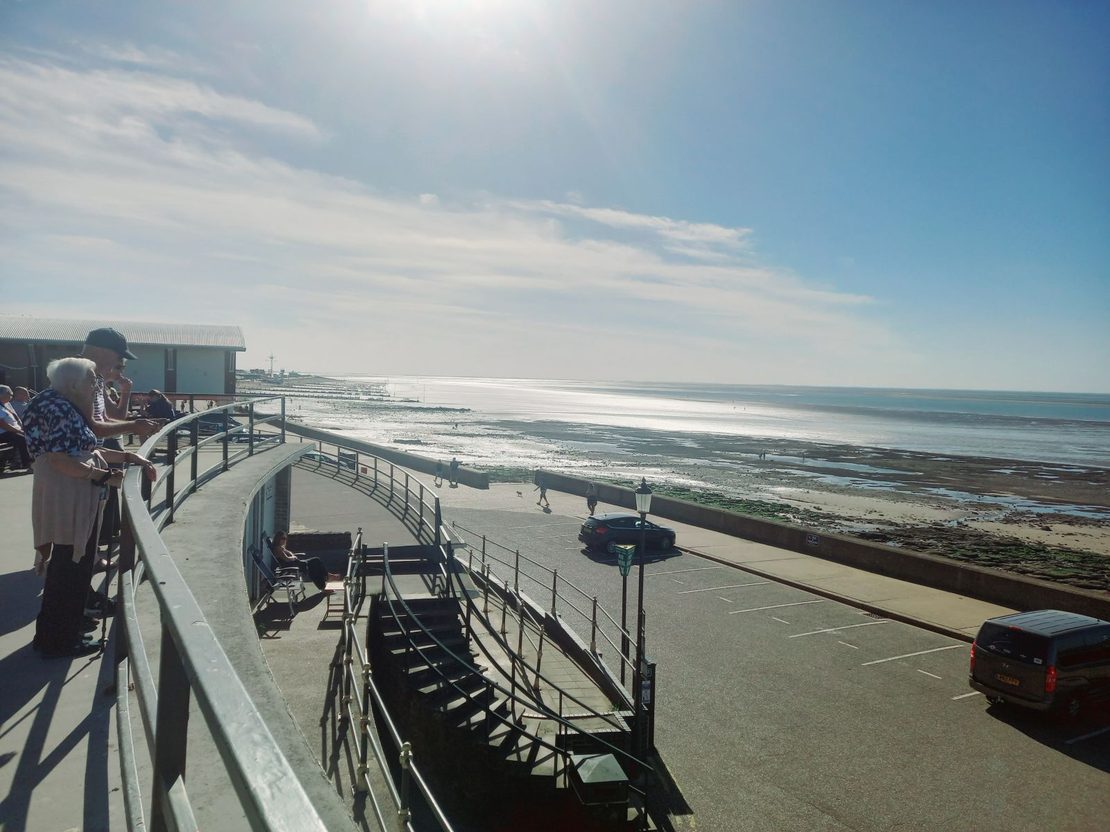
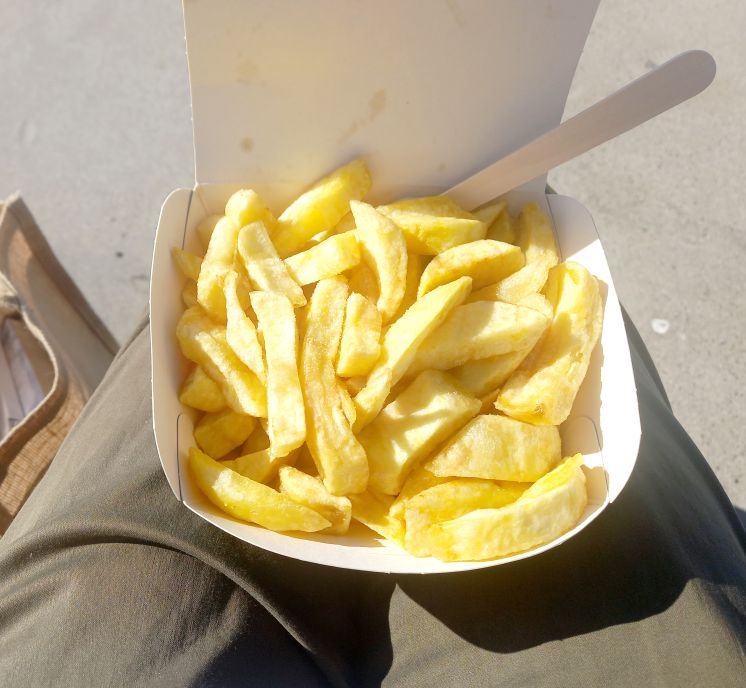
( I loved this day out at Hunstanton, took the bus and sat here writing with my lunch)

Sitting by the seaside with chips, writing poems, reading, and now gardening has become a way of living. Slowing down, learning patience by waiting for buses, and now being able to run for one or two (last week’s effort provided a chuckle from the waiting people on the bus) have meant new conversations and new connections. I never push myself on people, but maybe others appreciate a hello or:
“That’s a great camera you have got there, hoping to photograph something nice” has met with lively conversations.

I miss not being able to drive dreadfully and the freedom it gave me, but hoping I can get my car back, it will never be the same again though. I shall still take the bus for local trips. The bus ride is cheaper than the petrol and parking combined.

Getting back to this post’s subject, I am leaving some references for you to click on, should you want to know more about the benefits of Nature and Art in terms of their healing qualities.

Here is a brief summary list:

  1. Engaging with art lowers blood pressure, decreases the need for pain medication, and can shorten hospital visits.
  2. Drawing and painting lower cortisol levels (our natural stress hormone).
  3. New neural pathways are formed for regulating emotions and recovery when engaging with art.
  4. Nature acts as a buffer against stress and cognitive fatigue.

When both Nature and Art are combined, the effects are multiplied.

How can we have a simple dosage of this marvellous medicine?

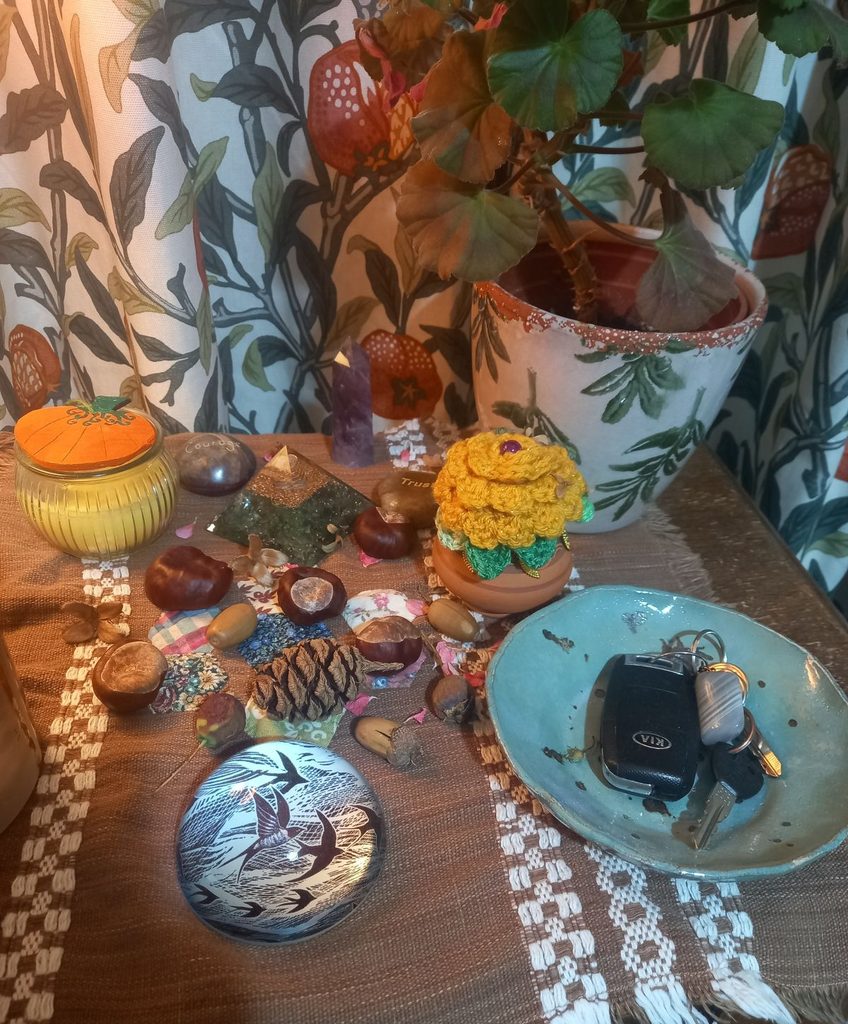
  1. ( My nature table- note the car keys sitting there waiting for my return to driving)
  2. Here are some suggested activities:
  3. Sit and look at a picture, taking in the scene.
  4. Gardening, even if it is a container garden, if you have a small space.
  5. For me, it is reading and writing outside.
  6. Take a drawing or art lesson, or if lack of funds prevents, go to the library and find self-taught books. Look on YouTube- lots of tutorials. I am having a go at Watercolour flowers.
  7. Care for a houseplant- I have two.
  8. Place a seasonal pot of greens or flowers, grasses in your room.
  9. Create a nature table.
  10. Celebrate the seasons in any way you can. I used to hate the darkening nights; now I love them.
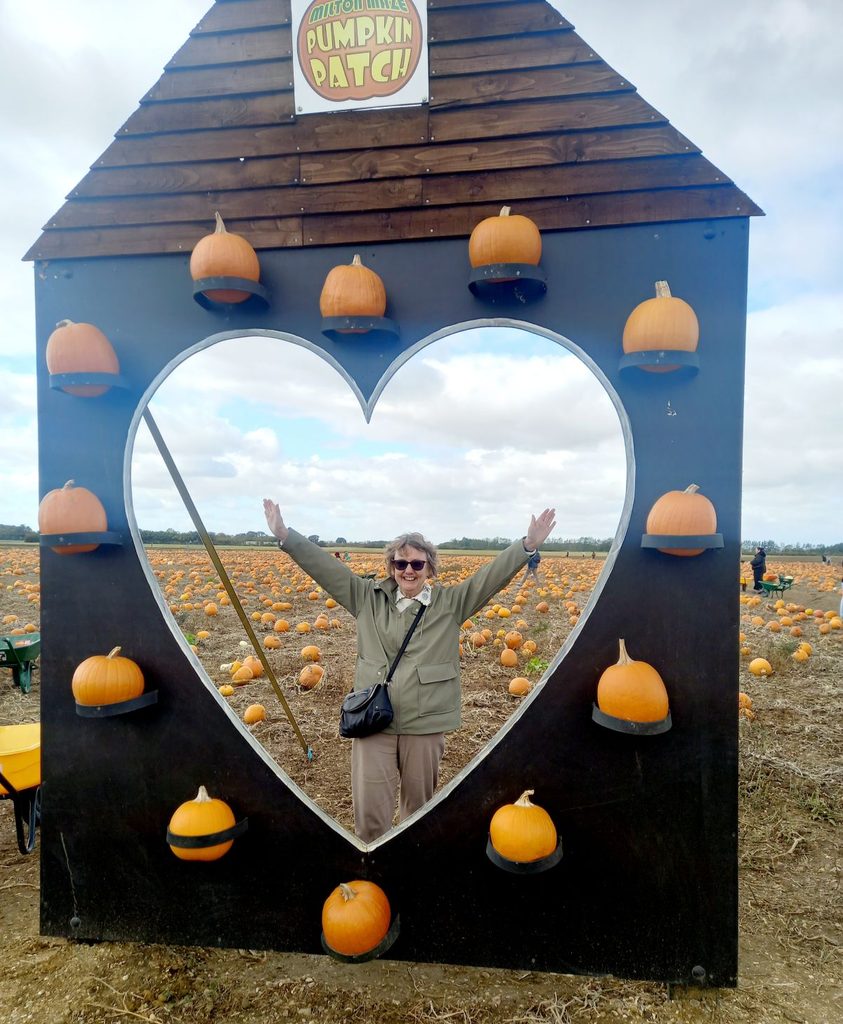
  11. Visit a pumpkin patch.
  12. Join a choir (singing linked to reduced depressive feelings).

From June to October, I still can’t believe I have come so far. It’s another Sunday, the sun shines, the church bells are ringing, and I’m leaving you now to catch some warmth left in the garden. I should finish this project by the end of the month. There are cyclamens to buy up the road this morning at a plant sale and a pot by our window to plant.

( Enjoying my recent visit to a pumpkin patch with my family.)

Next time: Sharing with you my poem from Hunstanton beach called Cars And Buses (from Metal Cans to Conversations). The title is not quite finalised.

( Written initial draft Sunday 11th October)

References:

What is the evidence on the role of the arts in improving health and well-being? A scoping review https://share.google/Ri5883qRlTOVgNsJd 

The Power of Art in Healing – Professional Artist Magazine https://share.google/A5hyGnEwqSvsnstG7 

Scientific Research on Art for Healing | Foundation for Healing Photo Art https://share.google/BXado8wY1anhf5tBX 

Research Digest: Nature and art | Children & Nature Network https://share.google/FbOquvGLgl96ddHrT

Home, Books and a Sense of Belonging

  |   By  |  0 Comments

It’s an early grey Sunday morning, and the rain taps on the window quietly. The long drought has at last shifted to much-needed rain, and my sea sounds are behind me from my little sound machine. A hot cup of tea sits on the shelf above, and I have no idea quite where these words will go, only that something now needs to be said.

Behind me are the current books that have largely been part of my home, life, and a sense of belonging over these past three months. One is absent (as it’s been returned to the library – I am a great supporter of public libraries), but I have mentioned it to many of my friends on social media. ‘Notes From Walnut Tree Farm’ by Roger Deakin, published in 2008, two years after his death. The farm sits on the edge of Mellis Common near Diss.

This book was so powerful for me in the following ways:

  1. It told me about the fascinating life of a nature writer that I knew nothing about and who should stand more prominently in the genre of Nature writing.
  2. I was transported into a beautiful home with 12 acres, a life so powerfully yet so peacefully lived, with such a raw sense of presence. A life lived with great purpose and commitment to conservation.
  3. The writing was so poetic, vibrant, and so well written. It was an inspiration for my own words, and how I could become better at writing these blog posts.
  4. Lasting impression:
  5. It left me with such a lasting impression that I wanted to find this place and soak in something of what he knew on the edge of Mellis Common, near Diss, on the edges of Suffolk and Norfolk.
  6. I also felt a personal connection. Suffolk is where I was born, though on the Northern fringes in Lowestoft. There were mentions of towns that reinforced a sense of belonging, that I too was part of this special place.

This book was compiled from his nature notes, capturing the last six years of his life. Tragically, as he was finishing ‘Wildwood’ (about the life of trees), he died in August 2006 of glioblastoma, an aggressive form of brain tumour, at the age of 63. To be able to see that book’s completion, as he was dying of something that was killing his mind, demonstrates to me just what a special talent he had for writing.

He has been described as a literary genius and was a personal friend of Robert Macfarlane ( one of Nature’s great travel writers), who became his literary agent after his death. A personal archive of his notes is currently with the University of East Anglia.

 Roger bought Walnut Tree Farm in 1970, having discovered it a year before in a derelict condition. He restored his home and lived there until his death in 2006. The Farm was eventually sold by his son Rufus to his childhood friends, who I believe still own it to this day, and it is possible to stay there in one of the dwellings Roger built himself. The Shepherd’s Hut and The Railway Wagon were two of his favourite nooks that he would take off to write in. I don’t include any photos here out of respect as this is now a private home.

Roger also described in his notes how he fought to save the nearby Cow pasture Lane from developers and, had he lived, his friends, knowing his radical views and forceful character, when it came to saving the countryside, believed he would have been a prominent character in Extinction Rebellion. He was already a founding member of Friends of the Earth and co-founder of Common Ground, the latter being a conservation movement saving hedgerows, orchards and verges.

There was another book written in his lifetime which is viewed as a catalyst for the wild swimming movement. ‘Waterlog, a swimmer’s journey through Britain’ by Patrick Barkham, published in 1999, becoming a best seller by word of mouth.

To find out more about this work and Roger’s life and career, click here. Patrick wrote an excellent article for The Guardian, and his biography is taken from interviews with the many people Roger knew and worked with. It’s a brilliant biography by someone who never met him, yet in incredible detail captured his life and the essence of who he was.

Why has this character fascinated me so much that I had to go and find Walnut Tree Farm?

My kind friend, also called Helen, drove me there in August, and we had quite an adventure finding this home nestled down a lane, on the edge of Mellis Common, having asked two people for its whereabouts. It was a joy to meet someone who had met him.

We didn’t get to find Cow Pasture Lane, due to time restrictions (we packed a lot in that day), but when I can drive again, this will be one of the first places I shall be returning to.

A final word:

‘The Notes of Walnut Tree Farm’ truly celebrate art in the natural world because the words became a living, breathing embodiment of a life infused with natural connections, beauty, colour, poetry, prose, and a life well lived with passion and energy. For me, it echoes how our home isn’t just about a physical dwelling but a spiritual connection with life itself through people, places, and creatures, both on land, water, and air. All of this was there within the pages. Pages that spoke to me, became alive, and showed me why, as I mature with age, the natural world is a huge part of my identity and how both art and nature continue to heal me in so many ways from physical and emotional illness.

Next time:

When Art and Nature become medicine.    

Gardens on the Edge

  |   By  |  0 Comments

I have heard so often that we are a nation of gardeners. If I were a social prescriber, I would say that being outside, caring for another living thing and getting our hands in soil are very therapeutic. No wonder community gardens have helped so much for people’s Mental Health. People can lose themselves and forget their troubles when they have something else to focus on.

As a former florist and when I was able to garden in the past, I recognise this as an art form, a creative process, and this was shown in all its glory as this year’s Chelsea Flower Show.

‘Gardens on the Edge’, designed by Sarah Eberie and in association with The Campaign to Protect Rural England, won overall best show garden, and it’s not difficult to see why.

The central theme was a beautiful wooden sculpture of Mother Nature, carved from an 11-meter Coast Redwood tree, Sequoia, with flowing hair from willow thatch into a dry stone wall. Mother Nature is lying on her side, asleep, resting and looking peaceful, just as we could feel peaceful when surrounded by trees and nature.

See here for a full picture.

But where does the term Mother Nature come from?

The term is rooted in thousands of years of tradition and myth. It is a powerful reminder of us all being at one with the Universe and of the Earth’s ability to sustain, nurture and create all living things.

Gaia is the name for Mother Nature from the Greek, the name given to this garden’s centre- piece but the Romans also referred to her as Terra Mater.

This garden’s designers also included:

Chris Wood- wood sculpture

Tom Hare- willow artist

Fran Clifton and others from a horticultural team.

The garden’s overall structure was built by The Outdoor Room.

Wood sculpture is indeed a specialist skill. My own father loved to turn wood into many different objects and used pyrography to decorate these to sell at craft fairs. Suitable wood for large scale project are Redwood and Cedar, Oak and Sweet Chestnut.

In ‘Gardens on the Edge’, the landscape design included: Hawthorn, Silver Birch and Field Maple.

The Garden’s central aim was to send a clear message that our towns and cities are under increasing threat for development. Recent planning changes allow developers to build on Green Belt sites, reclassified as Grey Belt (land considered to be of poor quality and neglected to provide suitable land stock to meet the increased housing needs). This poses a difficult question- the legitimate need for more housing and the balance between preserving areas for conservation. Currently, 250,000 homes are proposed to be built on Greenfield sites. Planning inspectors now have a final say over Local Authorities, making it harder to block new builds.

My personal view is that every square acre of the UK needs a new and carefully managed plan, which includes reform of all housing legislation. Using empty houses left vacant, capping the number of holiday and second homes, and implementing an aggressive and proactive farming policy to protect farmers and food supplies. Incorporating lots of Green Space when planning new communities, and agencies/ Governments- both locally and nationally to work together with a united front over how our precious land can be protected.

Roydon Common, King’s Lynn, Norfolk

The conflicting needs of more numbers needing to live here to pay for our economy against an ever-increasing population, and the decline in birth rates are very difficult issues to solve. As someone on the edge of her own housing needs, I have never been so shocked at how broken our national housing policies are.

Ultimately, we have to remember that If we have no wildlife, no worker bees, no pollinators left, then we as a species will die because we will not be able to grow our own food. The dystopia of mass starvation and food rioting could become a terrifying future prospect.

This garden’s future is for a relocation to a regenerated housing development in Urban Sheffield Park Hill, where the legacy of its early campaigners will be a lasting reminder of the need for nature and us to thrive together.

“To be one with Nature means to attain the greatest spiritual and physical connection with the Earth to sustain health.”

‘Mother Nature’ – Shmaltz and Menudo

Gardens on the Edge represents more than just being able to walk on the fringes of towns seeking solace and some natural respite. We could all be ‘on the edge’ for our survival.

Roydon Common, King’s Lynn, Norfolk ( preserved area of outstanding natural beauty)

Next Time:

My discovery of the late nature writer Roger Deakin and his own example of land, art and man living side-by-side at his beloved Walnut Tree Farm, near Diss.

References:

The Origin of “Mother Nature” – Plant Me Green https://share.google/Ti2NE4eSnaZRFr2Fa

The Campaign to Protect Rural England Garden: ‘On the Edge’ at RHS Chelsea Flower Show 2026 / RHS https://share.google/kBA55frDScuwxUBL5

Stop building on countryside, says Chelsea’s garden-of-the-year winner https://share.google/cuVFBzI8CZ0p3ZqKJ

Famous Sayings #147 — ‘Mother Nature’ – Shmaltz and Menudo https://share.google/Qnnyv3zHeQ3jtjssy

Connecting The Arts to the Natural World ( an introduction)

  |   By  |  0 Comments

  For me, music flows through the air as freely as wind moves through trees. Each note is like a wave, an impulse, an energy. Its lightness is invisible to the eye, but its presence can be felt all around you, with a magnitude as mighty as any Oak.

Music can soar like a bird or be as delicate as a feather floating down from the breeze. It can touch us and linger there.

We are all affected by The Arts and The Natural World, even if this influence sits beneath the surface in our subconscious mind. Our world is forever encouraging us to rush through the day. The radio or audio player in our ears as we are running in a park or drowning out the noise on our ever-hectic roadsides to a destination.

We may not notice the bird song in our streets or stop to look up at the beauty of the skies, but we are forever in its presence.

What do we define as The Arts? A theatre production, a film, concerts, a piece of music, a painting, a poem, a literary piece of work or prose, a sculpture, a much-prized Bansky image on a city wall.

How many of us associate ourselves as being Artists? We say we cannot paint or play anything, and therefore,we close ourselves off to this creative process, and only those processing certain ‘gifts’ can fully appreciate it.

But how many of us know that both Nature and the Arts are the most profound healers of all things sorrowful and sad? How we take off in our cars at the earliest opportunity, or by foot,or bike to seek out the abundance of the natural world to ingest its wonderful elixir of life, through our five senses. Visits to gardens, museums, art galleries, the countryside or flowing streams on a warm summer day, or a bracing walk by the sea in the winter.

In fact, I believe that most people crave peace and beauty, which can be found in the natural world and that  Mother Earth is expressed in multi-faceted ways through The Arts.

A novice observer, a beginner, an introduction is all it takes to create momentum. A chance encounter, an idea turns a thought into a reality, a new way of seeing things for the very first time, of what was hiding in plain sight. A symphony of a new life can be born.

Open your eyes, your ears and above all, your hearts,you are going to go on a journey you may not have been on before, as it is my intention to capture it here.

I’ve nearly finished the most beautiful book, ‘Notes from Walnut Tree Farm’, by the late Roger Deakin (a good friend and fellow travel companion to the great nature writer Robert Macfarlane). It was through reading McFarlane’s book ‘The Wild Places’ dedicated to Roger, that prompted me to seek out his own work.

It was Roger’s words in the opening pages of Nature Notes that I read over and over again, saying to myself:

“Yes, this is how it is, these words are perfect and describe one of the Arts so well.”

I quote:

‘Music is like the decorative, symphonic possibilities of a wood: endless combinations of notes or twigs, leaves and wind, branch shapes against the sky.’

It inspired me with the opening lines of this rejuvenated blog and gave me an idea of a poem to be called,‘The Music of Trees.’

Now, I understand why I love Nature so much and totally ‘get it’ why I love the Arts and the natural world together. To me, they are one big canvas, full of potential exploration and discovery of all that is beautiful and wonderful. It is the balm that soothes my own soul, and connects experiences from the past, present and hope to my future.

How both are combined so perfectly, creating a massive pull for anyone who decides to stop and see with fresh eyes for the very first time how this force can be truly life-changing.

It has for me!

I hope it will for you.

Next time:

The Chelsea Flower Show and the overall design winner. ‘Gardens on the Edge’- a perfect example where art and nature can come together to create a most powerful message about the need to protect our environment around the fringes of town and cities.

I hope you will continue this journey with me.

Reference: Nature Notes from Walnut Tree Farm, Roger Deakin, edited by Alison Hastie and Terrence Blacker, Penguin Random House, Uk @2008 page 16.

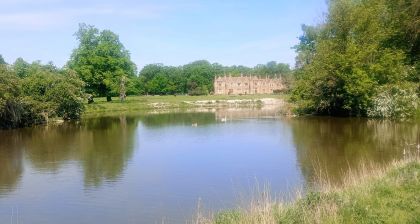
All images are my own apart from the image of the house and water taken by Marcus Boughen my son-in-law.

When One Moment Changes Everything

  |   By  |  One Comment

What happens to us when life changes in an instant? How do we feel? Shock, grief, loss, disbelief? There is no logic and there is no fathomable reason, but it appears anyway, catching you by astonishment, by total surprise, and the aftershocks of the earthquake of feelings linger on for days, months andeven years. The landscape of your life has changed forever. One small trigger and you feel like you are living it all over again.

Nothing could prepare you for this moment and how you wish you could be given a dial to turn the clock back, to freeze a frame, to undo the result.

One morning, a woman on a 90 something floor of the Twin Towers in New York, on that fateful day, was typing and sending an email. It was 09.44. An ordinary day, she had decided to go into work at 08.30. It was a new job of two weeks. She could have started at 09.00 but had decided to help out that day by going in early. Her husband, with aviation experience, heard a plane’s engine that he knew was too low, followed by an explosion. By 09.46, just two minutes after sending that email, his wife was literally ‘vapourised.’ No body, no bones, not even ash to bury. In those two minutes the normal became the hideous nightmare nobody wants to hear. Your loved one has died, a life of just 40 years extinguished in an instant.

How can anyone make any sense of that? I remember a GP at the hospital where I worked at the time after the Lockerbie bombing of December 21st 1988 say any one of us could be dead within the next 30 minutes. I have never forgotten that statement.

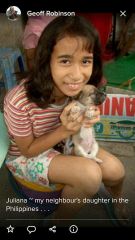
Last month, it was an ordinary day when a ping came from my phone. I read the message and couldn’t believe in what I was reading. Someone whom my late friend Geoff in the Philippines knew daughter had died, suddenly aged 22. How could the universe deal this card to a family full of love and gratitude for life? A family committed to faith, God and prayer. It made no sense. It sat heavy on me all day and still does, and with the family’s permission I can write about it here in this blog post.

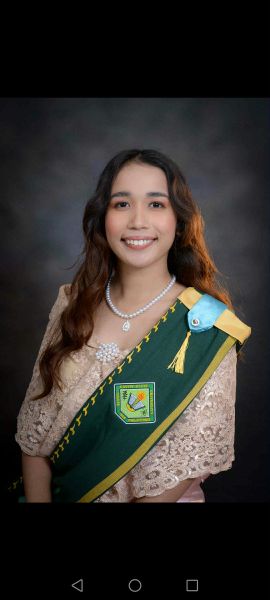
Juliana, epitomised her beautiful name. Having graduated last year from a four-year college degree in Civil Law the doors of her future lay wide open. Then suddenly the tropical Dengue Fever shut that door with a bang that no-one saw coming. She was an artist too and I saw many of her paintings.

 I got to know Rose her mother, on Social Media, after my friend Geoff’s death (the family were neighbours where he lived for several months of the year).

I was inspired by her mother’s digital creative ability, her optimism as she showed us her photography and lovely positive affirmations, her grace and the total love and commitment she instilled daily into her two children: John, now graduated as an architect and recently married on November 4th and Juliana. I asked the Universe how could you deal this kind of card to a woman who only ever called in love, gratitude and abundance?

Then two weeks ago we heard of one ordinary evening train turned into a horror ride as people are stabbed and the train making an emergency stop at Huntington, a Fenland town my family knows so well, having lived there for a few years.

So, what is the point of the post, its central message? Seven months ago, an innocent decision, a sequence of events led to the unexpected on my own doorstep. My blogging ceased overnight, the words frozen, suspended and left dangling like a flimsy thread within a piece of string. That piece of string is still a tight rope I walk on and will be doing so for at least the next five years. Nothing is certain, and my life can only be planned on a day or weekly basis.

During this time, I have learnt valuable lessons. My friends have been rocks of gold of which I have clung to. They have given me hope and a lifeline, their patience and care have been totally remarkable and kind. I have been shown blessings and an insight few may see.

Worry is futile, planning is fine, but goals and decisions can take a different and twisted path. We can never truly see what is around the corner and maybe it’s a good thing we can’t. I have learnt that all we have is this moment, this day and that is a blessing. Trivial things seem absurd and hard days still feel like blessings because I am still living and breathing in this world.

We can turn pain into purpose. The husband of the women killed on 9/11 went on to do amazing work with the widows left behind on that day. He discovered more men died than women and that over 1,800 of the later needed urgent help and support. For Rose, I know that her daughter will live on in countless ways, not yet known or seen, but I have no doubt she will because her mother is an exceptional woman and the rest of her family equally so. I have always wanted to meet them in the Philippines. If I ever get to Australia, and on my return home, I really hope I can visit them.

For myself, a relative stranger, where I was temporarily staying for three months gave a notebook and coaster to me with the words from Jeremiah 29: 11 because she felt she needed to.

‘ For I know the plans, I have for you, declares the Lord. Plans to prosper you and not to harm you. Plans to give you hope and a future.’

 The words struck me because I know what I want my plans to be, as yet to be unfolded, as yet unformed and unseen. It felt like a clear message that everything was going to be OK..

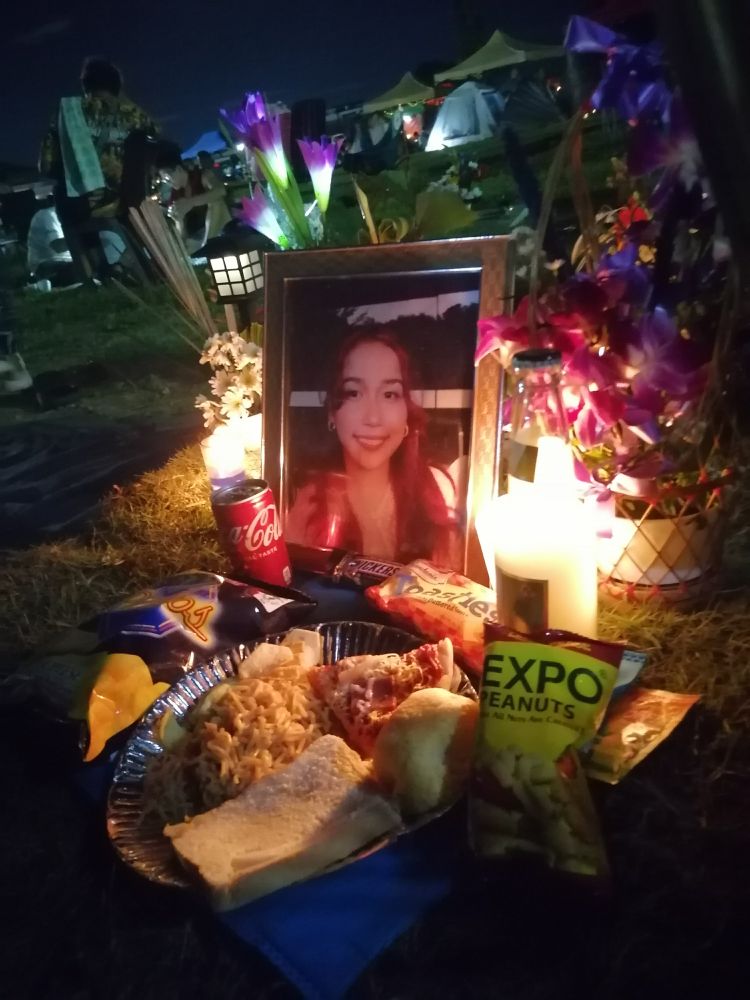
So let me leave you with this lovely face of an angel. Let her teach you that beauty can’t be extinguished even in death, that legacy lives, that memories made are never lost, that personalities persist long after physical perishing, that light always glows brighter and more passionate than the darkness, because we inject the light with love that darkness can never erode, nor its flame ever be extinguished.

In the trauma of these last few months, how comforting it is to be back writing with you again.

In memory of Juliana M Florino born 29th August 2003 and died October 13th, 2025.

May you rest in peace, but your life lives on forever in our hearts.

(Photographs and words posted with kind permission of the family.)

The Colour Blue and What it Means to You.

  |   By  |  2 Comments

Footsteps Conversations
The Colour Blue and What it Means to You.
Loading
/

( Again, this audio is not a transcription of this writing but as a separate conversation to introduce this post)

Another mini-blog post this week, as Easter events and family staying during this time have meant writing has been difficult. However, I wanted to get something down on digital paper, as writing is a promise you keep not only to yourself but to your audience. So here we go into the subject of Blue and I have found it quite fascinating.

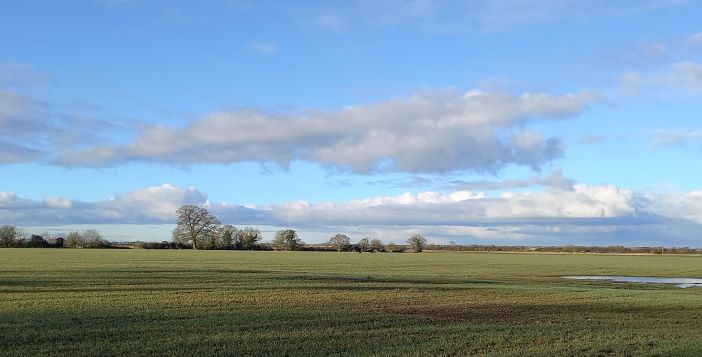
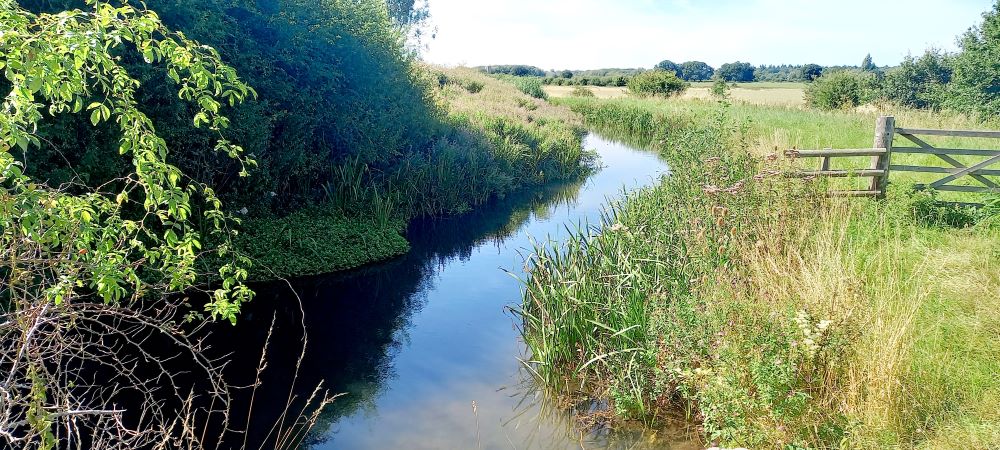
( A sky scene from a local walk often taken with my walking friend)

Nature lovers know the powerful effects of ‘ Green Therapy,’  examples include forest bathing, walking in the countryside and enjoying our environment. But what does the colour blue conjure up in your mind? Let’s take a brief pause and consider this. What would blue therapy mean to you and what other associations are there to it?

Firstly, I want to think of all the connections I know about this colour that immediately springs to mind without too much thinking.

The Blue Moon, Next due 31st May 2026

Blue Lagoon, A spa resort in Iceland famous for its thermal waters

The colour blue as a ribbon in a wedding garter ( symbolising love and fidelity)

Blue John, is the gemstone found in Blue John Mines in Derbyshire. This is now rare and valuable.

Blue skies and seas

Baby boys and blue

Water sports

Blue Blood- deoxygenated blood returning to the lungs.

Blue light from screens which hinders our sleep

Idiom: Out of the blue- unexpected occurence

Talking until you are blue in the face- talking when someone is frustrating you, as they are not taking any notice of what you are saying.

Feeling Blue

Blue Monday- usually the third January after Christmas when people’s bills are arriving and New Year’s Resolutions are dying. This is a most depressing time.

Another pause in my words to think about, from the last one on my list. When you imagine blue, is this a positive colour or one where you associate it with ‘feeling down,’ of cold hands and lips, of winter weather?

Doing a little research, I have discovered that whole books have been written about the colour blue and how diverse it is with many connotations, symbolism and meanings, symbolically, spiritually and practically.

Pondering about blue, I realise this post could open up discussions about other colours and how they affect our mood. What colours are we most drawn to and why? I love the colour purple but am often drawn to wear blue for work because it feels professional and tidy. There is a certain efficiency about blue. It feels neat, smart and orderly and can often be a colour choice for interviews or important speaking events.

 As a healing colour, it is not surprising it’s used for images within the medical field and NHS.  Blue feels very calming and peaceful to me. The healing and positive well-being effects of blue are documented.

“There’s a reason we think of blue as relaxing; it tends to lower our heart rates, blood pressure, and even our body temperature. Blue can have an effect on the pituitary gland, affecting our sleep patterns, and it can slow our breathing as well. Studies of memory have demonstrated that memory is enhanced by blue light, and blue light can even kill some bacteria!”

Katie Smith @ sensationalcolour.com.

Many of my photos are of skies landscapes and water. It contrasts well with green, yellow and blends with lilac and other pastel and light shades. If I was a painter, I would see blue as one of my favourite colours.

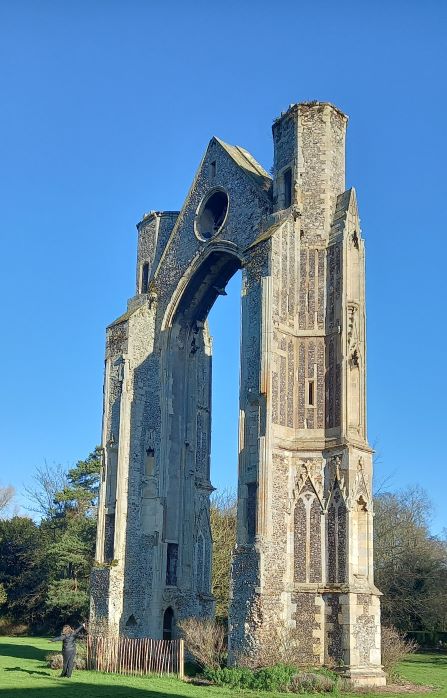
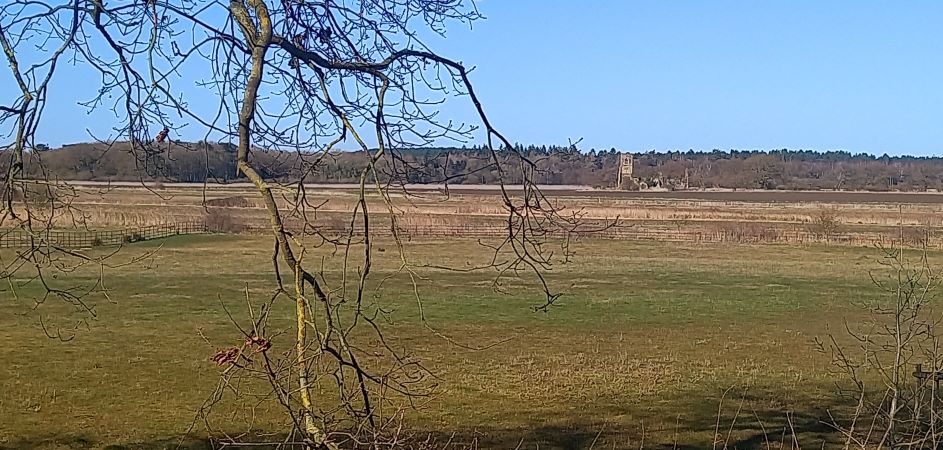
( The Abbey Ruins at Walsingham, Norfolk)

Blue is also seen as very spiritual. We think of Mary the mother of Jesus in a blue robe and blue is associated with the heavens, a gateway to us and God. The colour blue is found in the Old Testament where the tassals of the Israelites were blue to remind them of the Lords Commandments.

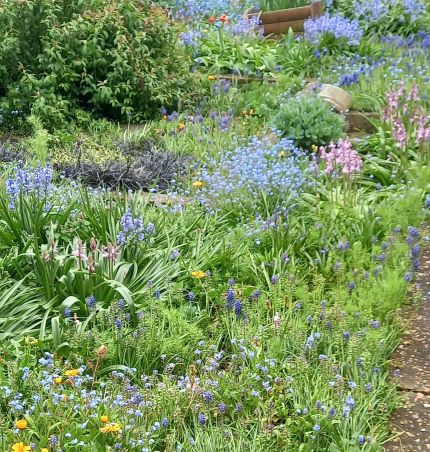
( My friend Jean’s garden in the spring who many of my local friends. Her garden is a riot of blue this time of year)

Then we can think of all the blue in Nature. I love blue flowers in the spring, the tiny forget-me-knots and the beautiful bluebells in May. As someone who loves the weather and looks at the sky daily ( I’m writing a mini weather journal over one year) I realise blue is a very positive colour in my life.

Here is a good article about the meaning of blue and what it represents. There is so much fascinating information to read here.

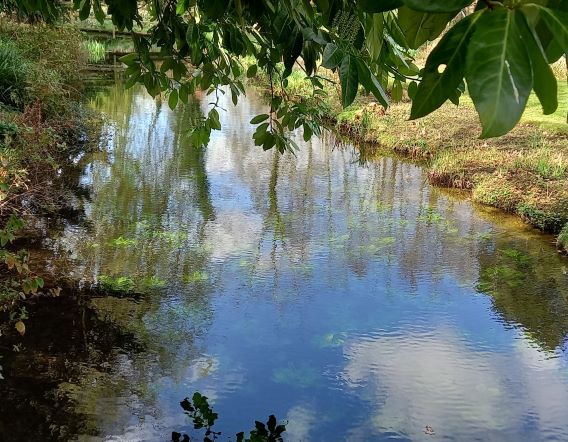
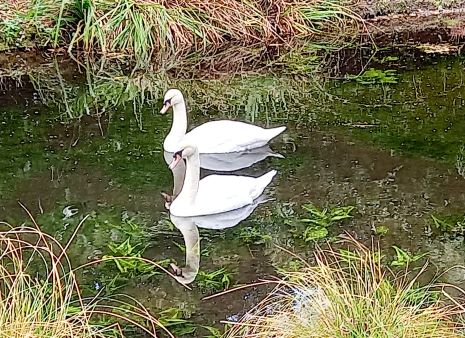
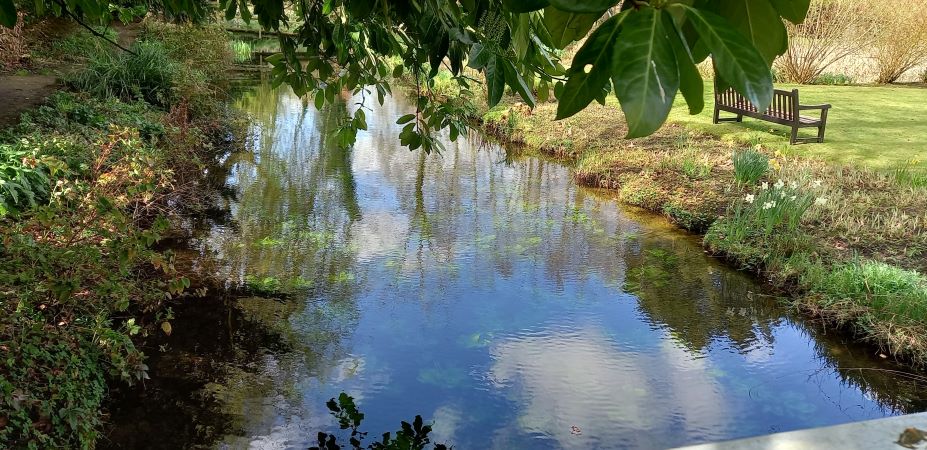
( Water reflections Gooderstone Water Gardens, Near Oxborough, Norfolk)

So blue is a very rich colour and should not be seen as cold and mainly limited to water or skies. If you glance, as I have just done, at the History and other associations of blue, you begin to see it has a lot of surprises. I wanted to do a more detailed study of this colour and appreciate I have just skimmed the surface of this topic. However, this is an introduction for you to reflect upon, and how blue might feel for you.

References:

Wedding garter https://thebridaltip.com/blue-garter-for-wedding/

Blue Moon https://www.space.com/15455-blue-moon.html

Blue Lagoon https://www.bluelagoon.com/

Blue John https://en.wikipedia.org/wiki/Blue_John_(mineral)

The religious connection with blue https://artuk.org/discover/stories/the-power-of-blue-humanity-spirituality-and-divinity

Until next week where we will start a new mini series of seven posts. Have a good rest of the week everyone.

Life is for Living

  |   By  |  0 Comments

A new poem for you to consider and how these words can be applied to many contexts. Inspired by an event and conversations, I wrote this poem in five minutes.

“Life is for living, not for quitting

Life is truly yours, not for fitting

Into someone else’s idea of how it should look

Life is for uplifting, not for hitting

Your own face when it doesn’t work

Life is not about splitting yourself in half

Life isn’t all about sitting either

But just turning up and not necessarily winning.

When something needs to be done, do it.

When someone needs your love, show it.

When someone needs a friend, be it.

But above all be a friend to yourself.

Because without that

You life will never feel like a life that is fulfilling or forgiving

When things are messed up

                            chucked up

                             mixed up

TRUST that it will all work out in the end

As intended

All in unison

Blended, not offended

PEACE! “

As writers don’t sabotage your growth, write. As crafters craft, as photographers, take pictures. As walkers, walk and as healers heal. As carers, care and as makers, make. As musicians play and as gardeners, garden the seeds of today for tomorrow’s harvest, because it is all good and worthwhile and ENOUGH.

You are enough. TODAY ALWAYS.

That’s my message for this week. Plain and simple and getting back after a break for work involving the new tax year, of exciting plans and new moves. Also, been painting a daughter’s kitchen:))

Until next time, when I will be talking about therapy the colour of blue. Interested to hear my thoughts then see you next week.

Nature’s Water

  |   By  |  0 Comments

Footsteps Conversations
Nature's Water
Loading
/

When you think of water how does it make you feel?

The audio this week, I hoped would be a video but I am still learning how to place them here within a certain bandwidth. Sadly, it had to be converted to MP3 only and you can hear my little grandson in the background enjoying the splashing water. I hope the sound is at least calming.

( Mother’s Day Visit to Gooderstone Water Garden, near Oxborough, Norfolk)

When I imagine water, I hear babbling streams and brooks. I think of the countryside, Yorkshire, The Lakes and can imagine myself sitting by a stream just pausing for a bit. We create ponds and water features in our gardens. It plays its tune to us as we soak up the summer sun. Eating al-fresco with a glass of something cool in hand, as water plays along with the outside orchestra of birds, trickling along without rhythmical hesitations.

Like drinks, water quenches our thirst in more ways than we realise. It does more than hydrate our cells, but appears to replenish our souls. The liquid of life that was a crucial element of when time began. To not have water is the end of life itself.

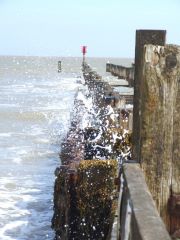
(The Beach at Corton, Lowestoft, Suffolk)

I was born in Lowestoft and the picture of water there for me was crashing waves, foam and tossing seas. The foghorn with November’s mist, the towering light house and the sound of seagulls all around. Often it was windy by the seashore, and I recall walks on Pakefield cliffs on a Sunday afternoon as a child with my parents. Little did I realise then, but I enjoyed walking by the sea and still do. I often want to take myself there after a stressful time or busy period. A place to inhale the sea air, like a medical nebuliser, expanding my lungs and clearing out the dust from my veins.

 Many people turn to water when they need some escape or distraction. When we feel a little battled by life’s events or when we want to de-stress. Sports such as fishing, wild swimming, sailing and paddleboarding are pursuits where we can feel restful, even whilst engaged in a physical activity.

I live on the edge of the Fens and drive past rivers and waterways where boats and water stretch into the distance and I wonder where they are heading to. An untravelled place in time, the explorer in me wants to know more and the urge to see where the river bends is strong.  The Fens were reclaimed from the water and the landscape, once boggy marshes, makes this corner of my world, now drained, so fertile for farmers.

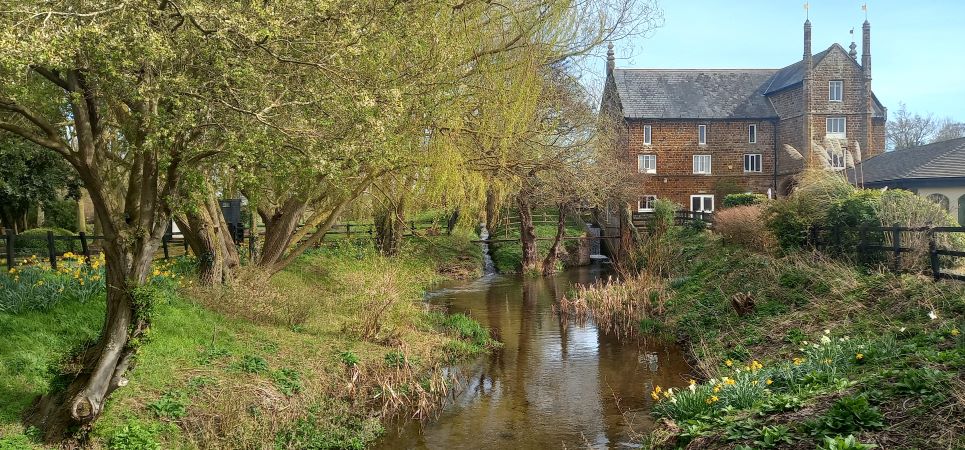
( A local outing to a Lavendar Farm, Heacham, Norfolk Caley Mill)

For me, I enjoy seeing water and hearing its sounds. It has an integral part in the way nature plays out. I have enjoyed being by it, standing near a water’s edge taking photographs such as this one and pondering life as I see its shine, physical reflections and movement.

However, I cannot swim and am afraid when it comes to water which is a shame. I have tried to learn to swim many times and have never managed to conquer the phobia. Walking on dry land makes me feel safer.

For others though, there is a fearlessness about water which is inspiring and poses the question.

Why do you think water can be so freeing?

 From my perspective, It isn’t constricted by time, or people’s demands. It goes where it wants to, uninhibited and not afraid. I just wonder when we persue water hobbies do we feel the same? The freedom of being in the open air, the tingling splash on our faces, feeling the breeze, the gliding movement, the pulling forces and the push against the flow.

Water can be our friend when we know how to work with it and respect its power. We also know the devastating effects climate change is having on our world and the heartache it has caused when people’s homes are flooded, damaging land, destroying crops and wildlife.

But let’s leave water though in a positive light. People care about this precious resource and feel invested in it. Not just wanting to spend their time being around it, but also caring about how it is managed in a sound environmental way. We have seen lobbying and campaigning for our privatised water companies to clean up its act as far as making our waterways and rivers cleaner and safer, and locally we have individuals highlighting the need to protect our chalk streams which we are lucky to have in my part of the world.

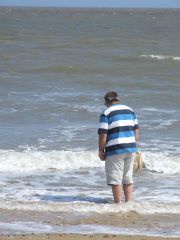
( A stranger just enjoying the water at lowestoft)

I would love to know from anyone where water is an essential part of their recreational life and how it affects them? Why they like to be near it, or in it? And how does water feel different to those of us who feel safer on dry land?

I shall be taking a week’s break from blogging as the end of the tax year requires some business work. I shall be back in two weeks.

Until then………..

Rhythm of Life

  |   By  |  2 Comments

Footsteps Conversations
Rhythm of Life
Loading
/

I am inspired this week to write about movement in a different way, having read @BethKempton’s Soul Circle prompt this last week which I subscribe to and an article on Substack on the same subject.

Ironically, to go deep into this word, I had to sit with it for a while and think about rhythm all around us, as a vibration on different levels/frequencies which encompasses so much of our everyday lives. Science tells us we are all made up of energy and we radiate a frequency which is reflected in our moods, thoughts and actions.

But what is rhythm in its fullest and most diverse expression? This week’s audio was recorded, just after a piano lesson and it was a focused hour of creating musical rhythm which is a work in progress for me. But rhythm isn’t just associated with music, is it? Here is my list of rhythms in all its various guises. See if you can think of any more.

  1. The rhythm of flow in uninterrupted work states where ideas flow and understanding grows. We work best when we enter this state. Kal Newport has written a book about it called ‘Deep Work.’ See my Library page.
  2. The rhythm of the wind flowing through trees horizontally, and vertically, whirling in circles and increasing and decreasing in speed is a fundamental part of our weather.
  3. The rhythm of change as we flow through one day to the next, creating new experiences, work, and pleasure and how we can quicken the pace or pause the note, depending on where we are in our lives.
  4. The rhythm of our heartbeat, the blood in our veins and arteries which keeps us alive and what we need to do to sustain optimum health.
  5. The rhythm of our walking pace, the sounds created from our steps around us, our ears listening to those sounds of nature.
  6. The rhythm of the song as we sing in choirs, collectively one voice in unison, taking part in something where we are one element of a bigger whole.
  7. The rhythm of a clock ticking down time as we move through the years. The little hand marks significant focal points, as the minute hand of our tiny actions and habits influences the main events of our existential being until we get to our midnight hour.
  8. The rhythm of the universe as stars are born and die in the sky, the ever-changing constellations, the moon cycles that observe Universal Laws.
  9. The rhythm of the seasons as we move through winter to spring, summer to autumn, celebrating the equinox, the turn of the calendar and nature’s wheel in a circular motion.
  10. The rhythm of writing as we create thoughts, stories and ideas on a page, the pen or laptop keys moving in tune with our mind.

Rhythm isn’t one thing in isolation but becomes part of other activities and my walk today showed me that spontaneity can equally flow with this force side by side.

This is what happened next:

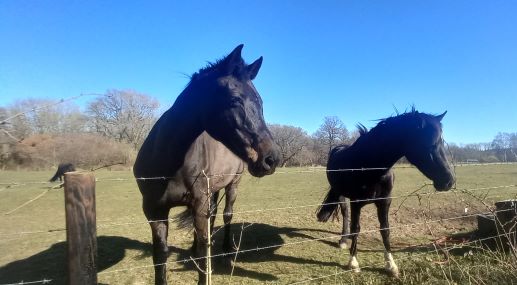
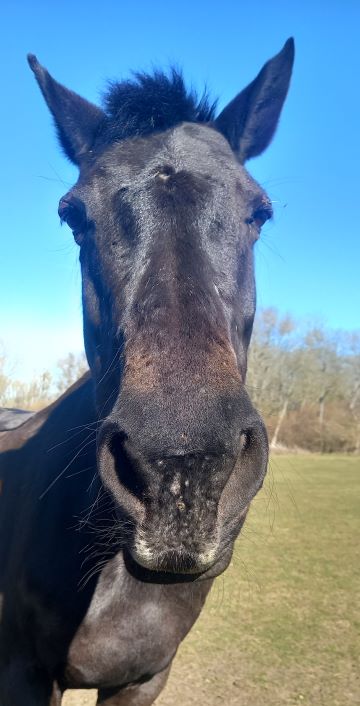
! Having put my phone in my bag, I looked and saw some horses.

I remembered I had an apple in my bag and a tinge of excitement emerged knowing that the horse would like it.

I went up to the horse and spoke to this lovely animal, giving my apple which he/she gracefully took. There was an instant energy of connection.  I felt it whilst hearing the crunch from their teeth against the apple’s flesh.

The other horses stirred and took an interest. I would need to come back with three carrots next time I thought. I started to take some photos as the horse drank the water.

As I photographed the scene, a fellow walker and photographer came up and seeing me taking pictures started to do the same.

I spoke and we had a brief chat for five minutes as the rhythm of the camera shutter clicked quietly in the background. He was round about my age and I didn’t want him to think I was chatting him up, so I moved on soon after:))

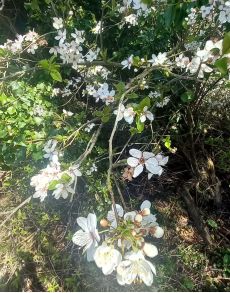
Having walked on I stopped at my favourite spot. I drank in the view, at peace with the world, thinking how I loved this view.  I had taken a photo of some spring blossom that had caught my eye. It dazzled in the sunshine with its pure white foliage.

Another walker came along with his walking stick and it felt natural to strike up a greeting.

The elderly gentleman was a widower from a local town. He had lost his wife 18 months before and they both had loved this spot. I said I felt the same. For him It might have been the only conversation he would have for the day. I said I would look out for him as he walked regularly there.

I headed back towards the car and two more walkers with their dogs spoke remarking that the wind was still chilly. I then proceeded to go and see my friend. This all happened in less than 30 minutes.

My elderly friend who had had problems with her phone (now resolved) was glad to see me. I had a cup of tea. We exchanged concerns and updates.

One walk: one afternoon: One hour:

I had not planned any of it, apart from seeing my friend after piano. It had cost nothing, apart from some petrol but to me, this was an afternoon that saw rhythm and spontaneity in their fullest form. The frequency I was feeling was high, a real feeling of aliveness, and gratitude, drinking in the sunshine, the clear blue sky, against the white spring foliage. The birds were singing. This to me was living.

I couldn’t have been anywhere else that could have surpassed that moment. I was in the zone. I was happy. I was aligned with a vibration of a rhythm in time that felt good.

This is what walking does for me. I am much more in tune with life’s rhythms and am starting to feel its full force with quite transformative effects. I am less anxious and my need to tightly grip work, effort, control and figuring out every potential problem with a solution before it happens is lessening. Rhymn’s voice is saying slow down, don’t force, just trust, everything is going to be Ok. Just have faith that life’s timings are all as they are meant to me. All is well.

What do you feel when you walk?

What do you notice?

What are you thinking?

What does the rhythm of life mean to you?

I would love to know.

Until next week……