Home, Books and a Sense of Belonging
It’s an early grey Sunday morning, and the rain taps on the window quietly. The long drought has at last shifted to much-needed rain, and my sea sounds are behind me from my little sound machine. A hot cup of tea sits on the shelf above, and I have no idea quite where these words will go, only that something now needs to be said.
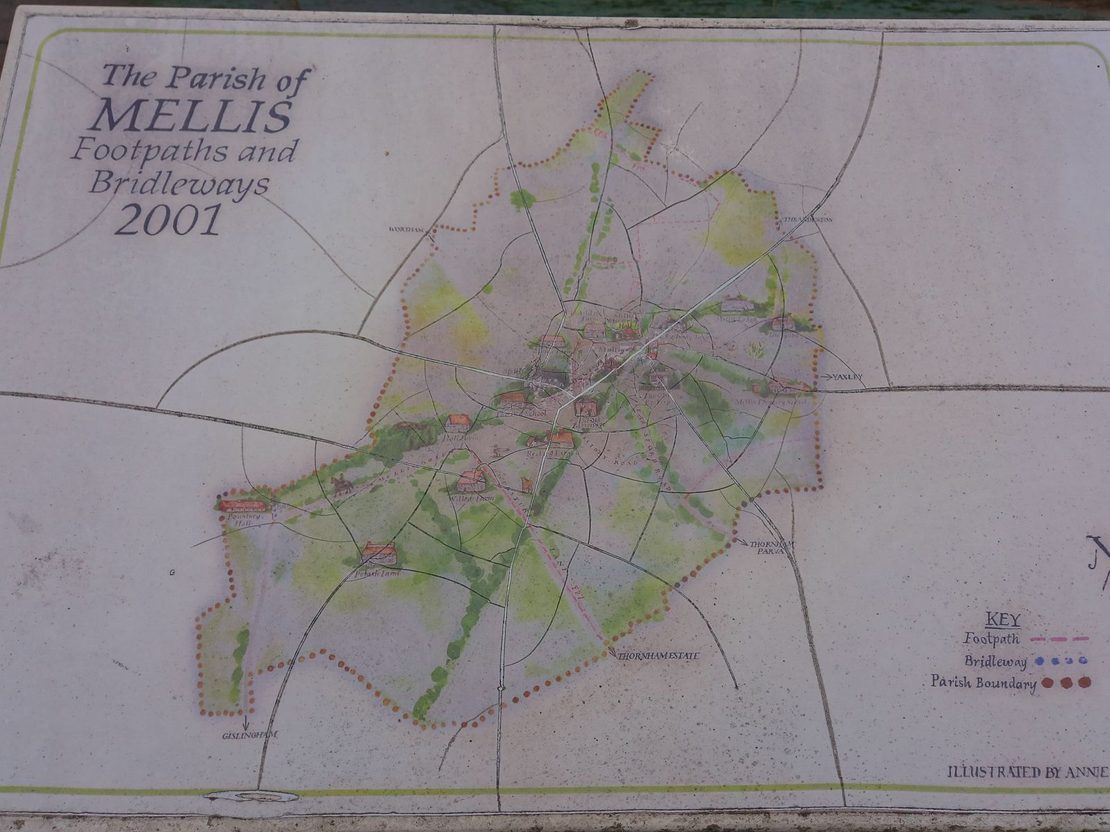
Behind me are the current books that have largely been part of my home, life, and a sense of belonging over these past three months. One is absent (as it’s been returned to the library – I am a great supporter of public libraries), but I have mentioned it to many of my friends on social media. ‘Notes From Walnut Tree Farm’ by Roger Deakin, published in 2008, two years after his death. The farm sits on the edge of Mellis Common in Diss.
This book was so powerful for me in the following ways:
- It told me about the fascinating life of a nature writer that I knew nothing about and who should stand more prominently in the genre of Nature writing.
- I was transported into a beautiful home with 12 acres, a life so powerfully yet so peacefully lived, with such a raw sense of presence. A life lived with great purpose and commitment to conservation.
- The writing was so poetic, vibrant, and so well written. It was an inspiration for my own words, and how I could become better at writing these blog posts.
- Lasting impression:
- It left me with such a lasting impression that I wanted to find this place and soak in something of what he knew on the edge of Mellis Common, near Diss, on the edges of Suffolk and Norfolk.
- I also felt a personal connection. Suffolk is where I was born, though on the Northern fringes in Lowestoft. There were mentions of towns that reinforced a sense of belonging, that I too was part of this special place.
This book was compiled from his nature notes, capturing the last six years of his life. Tragically, as he was finishing ‘Wildwood’ (about the life of trees), he died in August 2006 of glioblastoma, an aggressive form of brain tumour, at the age of 63. To be able to see that book’s completion, as he was dying of something that was killing his mind, demonstrates to me just what a special talent he had for writing.
He has been described as a literary genius and was a personal friend of Robert Macfarlane ( one of Nature’s great travel writers), who became his literary agent after his death. A personal archive of his notes is currently with the University of East Anglia.
Roger bought Walnut Tree Farm in 1970, having discovered it a year before in a derelict condition. He restored his home and lived there until his death in 2006. The Farm was eventually sold by his son Rufus to his childhood friends, who I believe still own it to this day, and it is possible to stay there in one of the dwellings Roger built himself. The Shepherd’s Hut and The Railway Wagon were two of his favorite nooks that he would take off to write in. I don’t include any photos here out of respect this is now a private home.
Roger also described in his notes how he fought to save the nearby Cowpasture Lane from developers and, had he lived, his friends, knowing his radical views and forceful character, when it came to saving the countryside, believed he would have been a prominent character in Extinction Rebellion. He was already a founding member of Friends of the Earth and co-founder of Common Ground, the latter being a conservation movement saving hedgerows, orchards and verges.
There was another book written in his lifetime which is viewed as a catalyst for the wild swimming movement. ‘Waterlog, a swimmer’s journey through Britain’ by Patrick Barkham, published in 1999, becoming a best seller by word of mouth.
To find out more about this work and Roger’s life and career, click here. Patrick wrote an excellent article for The Guardian, and his biography is taken from interviews with the many people Roger knew and worked with. It’s a brilliant biography by someone who never met him, yet in incredible detail captured his life and the essence of who he was.
Why has this character fascinated me so much that I had to go and find Walnut Tree Farm?
My kind friend, also called Helen, drove me there in August, and we had quite an adventure finding this home nestled down a lane, on the edge of Mellis Common, having asked two people for its whereabouts. It was a joy to meet someone who had met him.
We didn’t get to find Cow Pasture Lane, due to time restrictions (we packed a lot in that day), but when I can drive again, this will be one of the first places I shall be returning to.
A final word:
‘The Notes of Walnut Tree Farm’ truly celebrate art in the natural world because the words became a living, breathing embodiment of a life infused with natural connections, beauty, colour, poetry, prose, and a life well lived with passion and energy. For me, it echoes how our home isn’t just about a physical dwelling but a spiritual connection with life itself through people, places, and creatures, both on land, water, and air. All of this was there within the pages. Pages that spoke to me, became alive, and showed me why, as I mature with age, the natural world is a huge part of my identity and how both art and nature continue to heal me in so many ways from physical and emotional illness.
Next time:
When Art and Nature become medicine.
