After last week’s mammoth read (thank you to everybody who read my reflections on six months of journaling through autumn and winter and stayed to the end with helpful comments), I have chosen this week to keep things very simple.
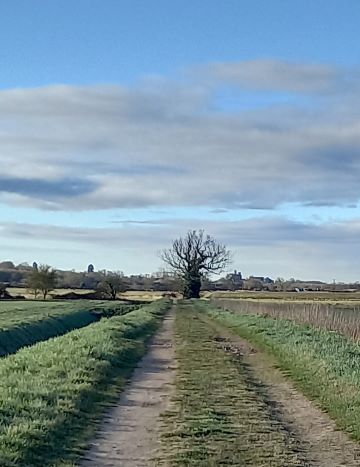
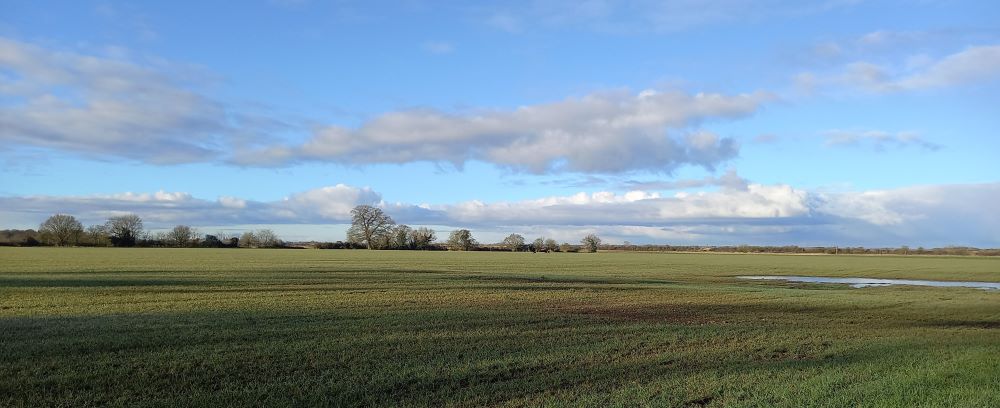
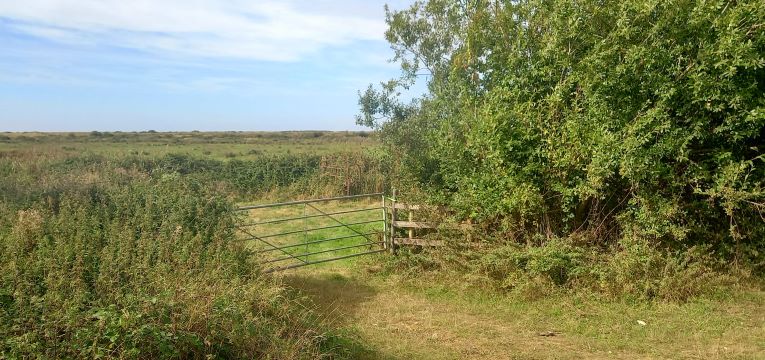
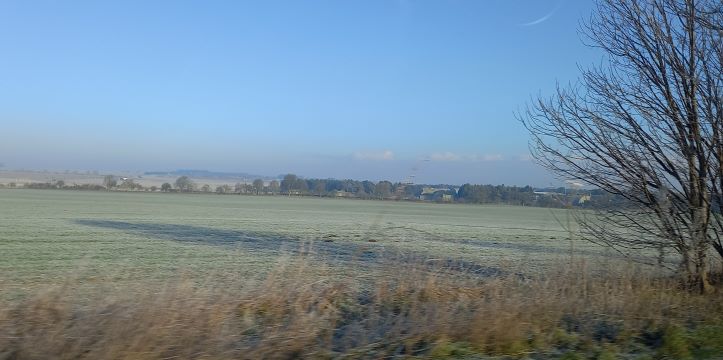
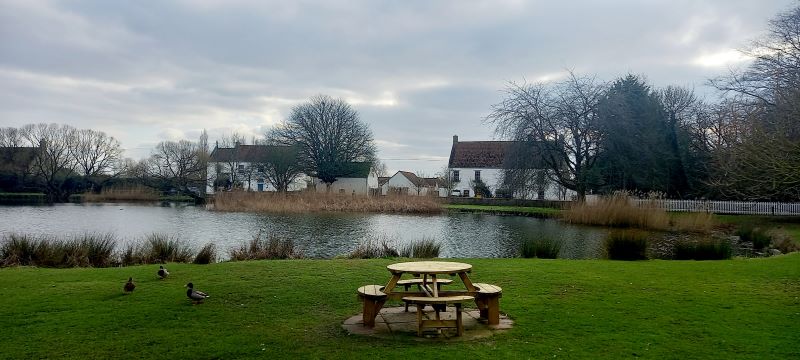
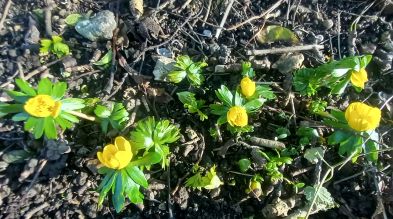
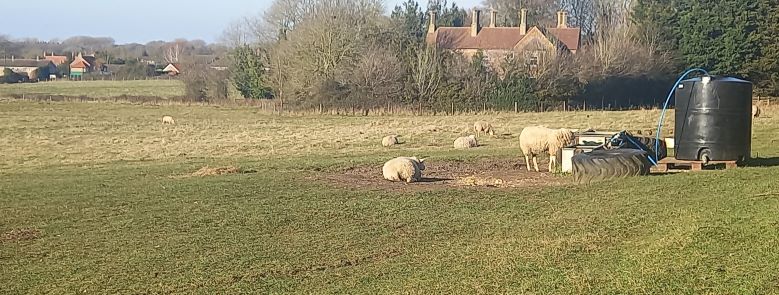
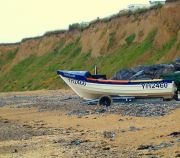
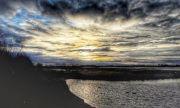
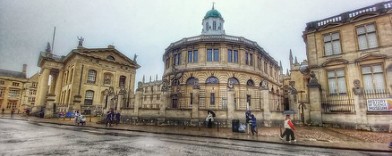
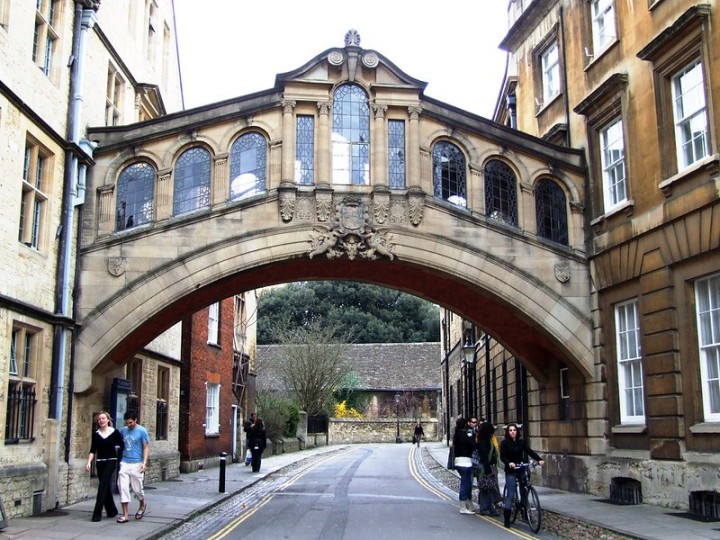
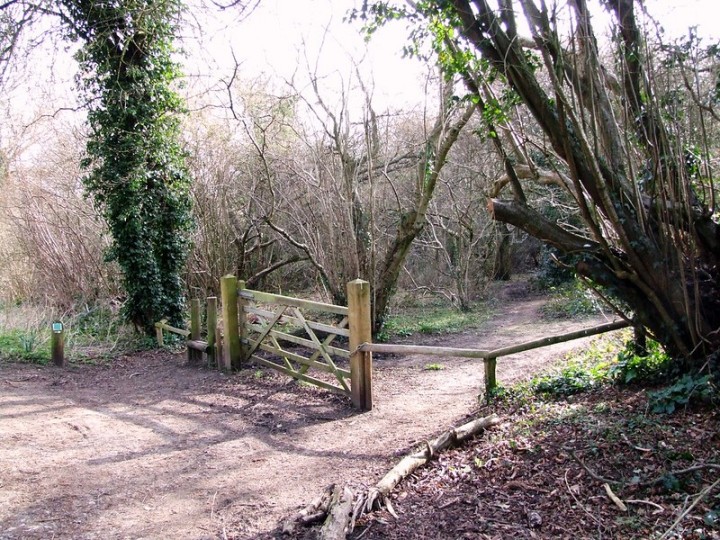
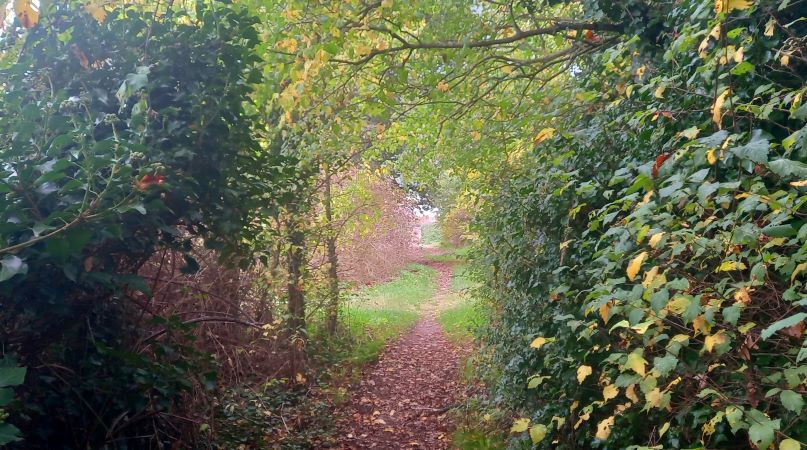
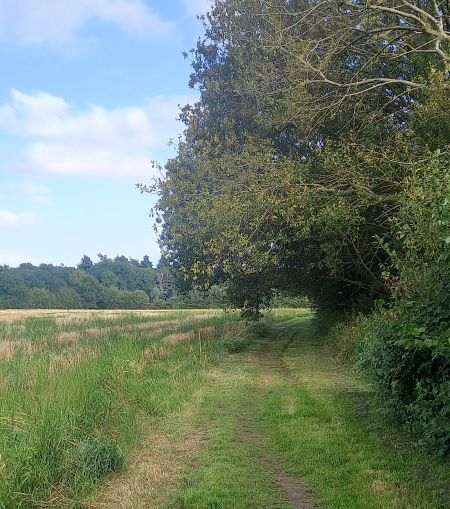
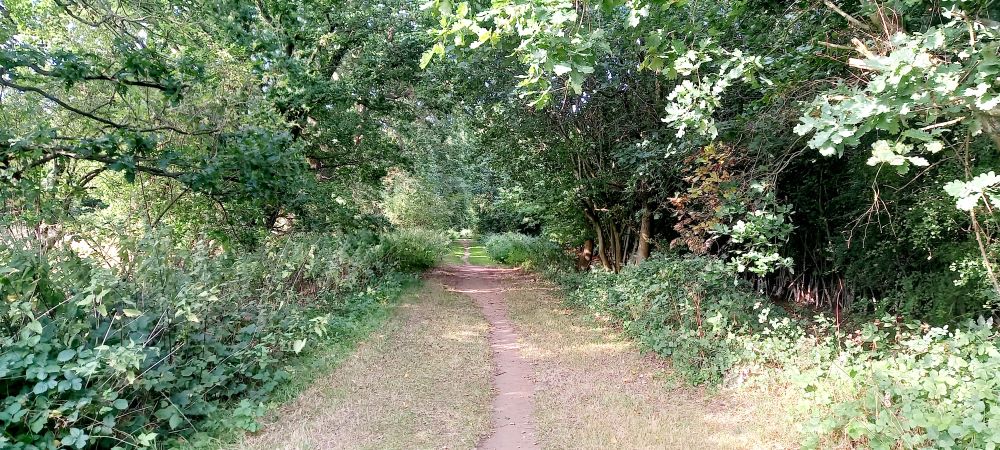
The photos here are from my early morning weekend walk which was a lovely, frosty spring morning. I even saw deer in the distance. I’m glad I get up early for these and meet my local walking friend for the one hour and 20 mins of chat and steps.
A new step for me:
Following on, as to why walking has helped me get through the autumn and winter, I have decided to place here my poem, which was submitted for the annual poetry competition of the Happiful magazine. I’ve never dared enter a poetry competition, fearing the disappointment of the 99% inevitable rejection but I’m glad I entered for two reasons:
Because I was serious about writing something I knew would be valuable and doing the best work I could, raising my own bar. I spent considerable time on the form, and flow after the first draft.
To experience the feeling that no, this wasn’t good enough in a judge’s mind, but that was OK. It does not invalidate it, or make it not an intelligent creative piece of work.
I was so touched at how Happiful (a magazine for positive mental health) replied to every one of us, not with some cliché answer but with a well-crafted thought-out response, offering encouragement and hope, saying that many of the entries would go on to find homes of their own.
We were told that there were over 900 of us, and it was a very difficult job to select the one winner and runners up because of the high quality of the work submitted from many of the entries. This felt so genuine, not just to make us feel better. I hope mine was one of them and it has found a home here.
I look forward to reading these in the April edition to see how they differed from mine and what made them stand out to be the ‘ chosen’ ones.
The brief was to write about something that benefits your mental health:
This poem as you can see is a walk through the seasons and how indeed walking is my saving grace. I wanted the poem to build up in strength, from the autumn and the already dulling of my spirit as winter is anticipated, to the uplifting energy of the spring and summer.
To convey the feeling of flow and movement within each stanza as I walked through the months, keenly observing what was around me, and how each season offered some medicine to help my overall mental well being. The guidelines were that it had to be no more than 25 lines, minus the title. Here it is:
Walking is my Saving Grace
Autumn’s light fading, oh how I dread,
the approaching winter, legs full of lead.
But autumn colours beckon me
to put on my boots and venture out.
Golden hues and skeleton leaves of lace,
Oh, walking is my saving grace.
Winter’s light jading, nature’s sleep begins,
the pressing grey, the chilling winds.
But winter silence encourages me
to put on my boots and venture out.
Diamond dew and frosty touch to face,
Oh, walking is my saving grace.
Spring’s light calling, the dawn of song,
the heralding chorus, new life budding strong.
How spring charms entice me
to put on my boots and venture out.
My gaze is sharp and quickens pace
Oh, walking is my saving grace.
Summer light uplifting, soft foliage green,
the blooming flowers, nature’s pastel scene.
How summer emboldens me
to put on my boots and venture out.
For movement is good, a compelling case
Oh, walking is my saving grace.
@HelenMarshall November 2024
Emailing this entry to a friend and fellow writer, including poems, I wondered if the final line should have said:
‘ How walking is my saving grace to give it a final impact but breaking the pattern. I’m awaiting feedback.
I posted this on my Substack account earlier and it’s certainly been the most successful post to date there and I currently have 32 subscribers in about two and half months. It’s good to see the people who have identified with this work and re-stacked it ( shared) with comments and thoughts.
It’s a lovely community and I’m really enjoying it over there. I’m keeping this site going because of holding the domain name, and for all the other pages/references and links on this wordpress site which I don’t have on that other platform. I have put months of work into this here and my few friends who read this are not on Substack. I’m happy for the two in run in partnership with each other.
What’s next:
To follow on from this week, next week is about the word rhythm and the rhythm of life. Given poetry is central to this word, it’s another good lead on from this post. I started next week’s audio today and that was special because of what happened after the recording. Come back to find out next week. It was a great short walk.
Coping with Autumn and Winter- a six month journaling experience.
/
RSS Feed
Share
Link
Embed
( The audio is not a transcript but accompanying thoughts for this post and why I did this)
The following in Italics are small extracts from my journal following these last two seasons. I struggle with both, and by writing an account it set me on a path to discover any patterns of behaviours, or triggers (positively or negatively) influencing how I felt during these these times.
As I was writing I was consciously and unconsciously putting systems in place to help me, as I discovered how I was feeling. I’m glad I did this and now wish to share the main points as I wrote about the changing seasons, the weather, nature what was happening and my mental health. These extracts are in note form and are not intended to be grammatically perfect.
31st August: Blue flowers in fields against Elderflowers and red berries. Summer and autumn are starting to merge. A lot to look forward to. Some nerves about being back teaching tomorrow after a month off from the Farm.
3rd September- Cloud, damp, everything has suddenly changed, change here too. Work stress, internet down at home, mood lower already. Tinnitus up, need to stay calm and steady.
20th September- we had a full harvest moon. The bush outside my house seems redder with the berries. Mood is restored as calmer house resumes. Already starting to plan for Christmas.
Revisting these early entries have already given me some thoughts about why doing this exercise has been so helpful. The emerging patterns of feelings what triggers any stress and why do I find this time so challenging?
Some people love winter, but for me, it seems heavy, and when weighted down by external events, it feels like you are bashing against an increasing cold wind and barrier. Traditionally, this has always been the most worrying time, the Christmas bills, heating, the cost of Christmas itself, various birthdays and the cars which had to be serviced, taxed and insured weighed heavy on my mind.
At the end of September, I went on a canal boat retreat and the attendees wrote about this transition of autumn through to winter. I journaled about how I felt about it in the past, compared to how I was attempting to feel differently about it now. It was a lovely day of deep writing and travel along the river at Ely. My daughter and I attended and it was great to connect with like-minded women.
Retreat day:
Autumn past:
“The fall of the leaves shows the darkness of that bare place, branches cut, barren and lifeless. I dreaded the clocks going back. It felt like I was going backwards with them. Time sat heavy and foreboding of the winter ahead.”
Autumn present:
I don’t know how it changed. It started from that golden ball of light and liberation within. The lighter self, the clouds of fog and depression gone, and it was like the shutters from my eyes were blown away to renewal, not death and darkness but harvest and hope.
This showed me how I associated the winter and the dark days ahead with my past depression notably occurring in 1999 and 2010. I went on to write that this season (autumn) should be about preparing and self-care for what lay ahead, taking stock and harvesting all the bounty of the spring and summer months.
“ I stand in the forest and see the golden greens and browns of effort and energy in front of me and know that this autumn is not an end but only a time to evaluate and to see what has worked. The soil is enriched with my leaves of activity, returning to the earth ready to sit quietly through the winter months, ready to step forth into the spring with a newness, a bud, a flower ready to begin again.”
I was full of buoyed-up optimism at this point. After the retreat, I write of seeing the Northern Lights in October, of the mists coming, and how the light continued to change in November. I planted cyclamen with their bright colours to see from my chair in the lounge overlooking our small garden, and booked a wreath-making workshop for Christmas. Something to look forward to seemed the way to get through this period. My daughter who finds winter equally stressful was doing similar things.
17th November- Harder- illness soon arrives with the autumn colours.
(Having a small toddler in our family now meant that we were being bathed in childhood germs).
Hand, Foot and Mouth wiped out most of November and lingering colds, though I was staying strong and virus-free up to this point elevated by Vitamin D, Zinc and Magnesium from my Joint supplements. My daughter’s plans for little activities to look forward to were largely wiped out from her calendar with quiet resignation. The wreath making workshop never happened and we did ours at home for my daughter’s 30th birthday.
26th November- Feeling like I have come out of a mini tunnel.
I had been to Oxford to see my aunt and as I entered the door back home, I didn’t come out the other side until now.
8th December- Possibly taking up a weather journal next year.
I had connected with a local village on Facebook and a guy was writing a weather report each day. I read and commented every day, showing my appreciation and encouragement, knowing what it feels like to write into thin air for no one to comment or possibly even look. My roots of loving the weather returned no matter what it threw at us.
This was a new activity. New activities I realised helped me. Husband says I’m happiest when I have something on the go. I also wrote:
“ Christmas, you go through this with high expectations only to see the hope dwindle with the light. Early Christmas planning is key.”
15th December- I take up poetry again after witnessing a glorious sunset. “ A Sunset by Little Thetford.” A small snippet.
“December midline and already fading
The Winter Solstice soon
Turns nature’s wheel again
Shifting time,
I move on.”
18th December- The first snowdrops in the garden. This winter has gone quickly so far.
3rd January weekend away with my lovely friend Sue to see at the ROH Cinderella in London. Pure magic and what a wonderful two days away.
8th January. There has been frost, rain and winds. Birds finally returned to the bird feeders today after hanging them up on Boxing Day and waiting.
The new term of teaching begins. Vanessa Thomas’ Mindful Narrowboat has been a beautiful find. (YouTube) Her journals were being bought for my birthday.
I started to feed the birds again and going out and recording winter bird songs. The robin I can now identify and the house sparrow. I can pick out a Tit but not know which one yet.)
18th January- A weather journal started since the New Year and a gratitude journal.
I had started morning walks and this was helping me want to get up and get on. The gratitude journal comprised one main event of the day and three things to be thankful for. Research says it’s powerful but it felt quite functional at first. It grows on you and the feeling increases as to the effect of it. Both are ongoing and I’m committed to completing them for the year.
25th January. Had a nice birthday. Quiet, spent at home. Susan and her husband came to visit. We had cake and I made soup. It was just what I wanted as I had had a big 60th birthday party last year. I went out for a walk and the sky was blue.
9th February
Illness, virus, hard, SED feel it in its grip, sitting no good, combined with malaise and grey, comfort in words, reading and writing. I’m an armchair hiker and traveller ( Reading Salt Path, plus sequel). I need to go to the nature reserve again. I feel its call. Trees for me are a healing place. Looking out of the window, there have been mists. The time has felt like a tunnel again. Only outside and fresh air can help.
14th February
Antibiotics (tonsillitis been ill since 27th Jan), blue skies this afternoon – the light is returning both physically and mentally. We are nearly out of this tunnel. Being outside and walking are two factors that I shall carry with me as remedies for surviving winter, even if the weather is terrible.
Had hit a terrible low by this point and my brain I felt was failing. Even got the name wrong on one of my substacks posts about my dog. I was forgetting things, stewing about the past, ruminating and this felt like a deep crisis. I turned to meditation, prayers, breathing and simply acknowledging past grieves and regrets. There were powerful conversations at home.
20th February. I walk Paige (daughter’s greyhound) at 17.30 and it was still twilight. Real progress with the light now. It’s becoming warmer too. (I don’t think it was but maybe I felt warmer as the end of winter was fast approaching.) The tulip heads are showing more in the planted tub outside. Tomorrow, I walk.
28th February
“ So we end this section here after six months of observations of autumn, through winter and out the other side. I shall do it again next autumn and winter to make any comparisons (given any changes). The daffodils are out and blue skies, The birds were singing at 10.00 am.
28th February continues
“Recording here has been a useful anchor point as this winter, with so much illness, has been the toughest winter yet. Spring really does pave the way for change, hope and a new tomorrow.
Tonight is the planetary alignment.”
Reflections:
At the end of this record, I was sitting on a swing in a local park breathing the air saying we have done this. A friend had sent a song for me to listen to. I smiled and thought my friends are such treasures. I would not swap my life for anyone’s because I have these people in my world. My family of course are vital but I want to acknowledge here how friends really are a lifeline.
Having read this fourth draft back, I realise that I was putting in place further strategies and systems as each new challenge or feeling arose.
My brain health has become a priority over anything else. I have placed an emphasis on the physical but now this shifts.
More sleep, I go to bed regularly and earlier and the morning walks I have noticed help me sleep better.
Move, really move more. I have started some indoor exercise on YouTube to old 1970’s 80’s music. Exercise has got to be something you enjoy, otherwise you just don’t do it.
Less screens: did some research on this and my grey matter and hippocampus have clearly shrunk due to 15 years of phone and screen time. I am saying wrong words I’ve noticed called ‘slip of the tongue’ and stress can do this. Cognitively I have lost a lot of confidence in my ability to process things.
Truly, I have even been quite paranoid about early dementia but I don’t fit the early warning signs, apart from what I have just mentioned. I’m a high-functioning individual but running a self-employed teaching business has meant 24/7 hustle and effort since 2018 and I am tired. I realise I have been close to burnout and I know what care responsibilities mean. I am also slowly doing some more teacher training to keep the numbers in my classrooms buoyant and fresh with new ideas and improved teaching methodology. My life like many of us is a juggling act.
No daytime TV. It’s on here for hours at a time for my husband but I am not being sucked into it.
I have been worried about walking in isolated places on my own and tend to stick to safe streets, but these are becoming boring around my housing estate. I want to be out in the wild. I tried to sell my little commute bike but had no luck. Maybe that was meant to be. The bike is being oiled and I plan to bike out a bit, walk and then get back on it again and bike off should I feel the need to. I think it will give me more security and I can go out further quicker, especially on workdays when time is less.
If I can next year, I want to take a proper winter holiday with warmth and sun. The endless grey at times has been so hard.
Big observation: Winter and Christmas are not the same. They are together but they both need to be dealt with separately. They are both stresses in different ways. Recognising the need to get early Christmas planning was a lifesaver for this last one and it will be started even earlier this year( the commercial aspect to it) which I hate. This will leave the way clear to just deal with winter as it unfolds, plus any spiritual celebrations.
Markers and rituals; Turning my seasonal photos over in their picture frame and my picture of nature’s wheel have felt grounding.
So work in progress. Has anything jumped out for you here? I would love to know. One thing that jumped out for me is how many times I have used the word tunnel.
If you have struggled with this last six months or experience Seasonal Effective disorder , I would really encourage you to do this. I have gained so much from this experience to move forward for next time. For now Spring is here and I am so glad.
Full circle, I am in Oxford again and taking a break next week. I shall be back here on Wednesday the 19th March.
Hello, I'm back, What's next and a book everyone should read.
/
RSS Feed
Share
Link
Embed
This audio is not a transcript of this post but a compliment to it. The images are mine and while they are not taken along the Southwest coast of the UK, I felt they reflected the mood of what is written here which discusses The Salt Path, by Raynor Winn. Do read on as this is a book everyone should know about.
An extract from the prologue.
“We ran back down the beach, the swash landing far above the shelf and rushing over the sand towards us.
Wait for the backwash then run to the other side of the channel and up the beach.
I was in awe. This man, who only two months earlier had struggled to put his coat on without help, was standing on a beach in his underpants holding an erected tent above his head and a rucksack on his back saying, run!
Run, run, run!
We splashed through the water with the tent held high and climbed desperately up the beach as the swash pushed at our heels and the backwash tried to push us out to sea. Stumbling through the soft sand, our boots brimming with soft water, we dropped the tent down at the foot of the cliff.”
The Salt Path by Raynor Winn, Page two.
The beginning:
I can’t remember exactly when or where I first heard about this book, but it had been on my list as a ‘maybe’ read for quite some time because it clearly was about walking. After Christmas, with book vouchers in my hand, I decided to walk into our new local bookshop and it was there ready and waiting for me to buy.
I read the first 22 pages and stopped, saying to my husband you must read this. For the next week, it was read by him with a speed that astonished me, as much as this couple running to safety on the beach.
My husband, who had not read a book from cover to cover in over twenty years, sat and absorbed every page, like the water soaking into the South Coast sand. I knew then that this non-fiction story was very powerful, even before I properly got to read it myself, because of his reaction and the attention it received. He was transfixed, moved, sometimes nearly to tears, as he told me little snippets, not wanting to spoil the story for me. The couple in this novel embarked on an epic journey, walking the 630-mile Southwest Coastal Path.
So, what is so special about this book?
It can be summarised very simply. This is a tale of unbelievable resilience, determination and bravery in the face of the most extreme storms in life. A couple who had lost a legal business dispute, lost their farming business, their home and their life savings in the space of a week. And when you think circumstances couldn’t get any worse, the husband of the couple was diagnosed with a terminal neuro-degenerative illness.
There was nothing to lose because they had lost almost everything:
With £320 left and a barn rental, which meant they were eligible for £48 a week in tax credits, they bought and packed up in two rucksacks, a tent, two light sleeping bags and some essential provisions.
With limited space in mind, they also bought Paddy Dillion’s book ‘The Southwest Coast Path: from Minehead to South Haven Port,’ a small guidebook, with a waterproof cover and an Ordnance Survey Map.
Raynor describes the day they walked away from twenty years of family life, running from the huge chasm that had been left. All they knew was that they just had to walk, to try to process what had happened, to find themselves again, and all that mattered was that they should just start because what else was there to do?
Did they complete the journey?
Yes, they did but I won’t spoil the story for you, you should read it for yourself. They had to walk it the opposite way around from the guidebook because they started with the easiest section first due to the approaching Winter weather. So, they did have to pause and take a break, and what should have been a few weeks took them a year.
At the end of the book, Raynor writes:
“At last I understood what homelessness had done for me. It had taken every material thing I had and left me stripped bare, a blank page at the end of a partly written book. It had also given me a choice, either to leave that page blank or to keep writing the story with hope. I chose hope”
From part six Edgelanders chapter 21 Salted, page 272.
What does this book tell us?
Firstly, to never underestimate the power of walking, Moth (the man in this story) managed to defy all medical odds and walked the path coming out stronger on the other side. More than a decade later he is still alive and started a new career.
That with resilience, bravery, fortitude and courage you can face the most impossible of circumstances. As they walked, they faced hunger, cold, and immense challenges most of us couldn’t have coped with. As they faced the most gruelling conditions, problems,abuse and setbacks, I could feel my brain physically tighten with the pain of the stories’ grip and felt elated when they had a victory however small. It felt so real within the pages.
How did this book speak to me?
Once I had finished it, I thought, how could I ever complain about anything ever again. That my life and its struggles were nothing in comparison to what these two people faced. However bleak or dark your situation looks you have a choice to be the victim or the victor. And how crucially, out of the empty devastating loss, miracles and new things can grow as lives are reborn and shaped into something amazing.
It taught me about the enormous prejudices homeless people face as they were shunned, walked past and ignored as some people withdrew in fear thinking they were no more than criminals, alcoholics or drug addicts.
The amazing power of two people totally committed to each other and a love that endured everything.
What happened after?
We are now reading the sequel ‘The Wild Silence’. And there is one more ‘Landlines’ where they walked from the Scottish Coast back to Cornwall. What I can say without giving away too many details is that they now champion the plight of homelessness. Raynor writes about nature and wild camping and both participate in charity events to raise money for Corticobasal Degeneration, CBD.
What are we now going to do with our own Salt Path?
Having been so inspired by this story, we want to see this path ourselves. We have booked to go to Cornwall in June staying in St Austell, one location near the path. We won’t be wild camping or homeless and we will have more than £48 spending money for the week. In many ways, I think we will feel shallow that it is too easy for us to stand and stare, taking a short walk (as holidaymakers) given our health complaints.
But, I hope we will come away with the enormity of what they did, the respect and admiration, and maybe we can be a little less fearless ourselves in our own lives and be grateful for each and every day with what we do have. I hope so. I will update you once I have read all three and have been on this trip.
The Salt Path by Raynor Winn is published by Penguin Books, Random House UK, 2019 and is being released as a film this year- the Sunday Times best seller and Costa Book Awards, shortlist.
Finally, I hope the people who treated them badly watch this and see their own character starring back at them and will leave a sobering and humble thought.
When I first had the desire to create this blog, I had to ask myself why I wanted to do it. I knew that this would take time and commitment to write each week. Was my literary offering going to make any real or lasting difference to the way I saw life, got on with my life, and maybe help others to pause to think for a minute about theirs?
Here are some of the main points I have discovered since starting this in April and maybe the odd surprise:
You can produce anything, in spite of the busy and sometimes chaotic life you lead, if you really want to.
Your will and commitment to something matters.
There is always a new way, a different angle when looking at anything.
Small things can often offer the most memory or magic.
That one window into something can often open another door that you were not expecting.
You never know where one action, one chance decision is going to take you. I think of the summer in 2022 when I saw Beth Kempton’s Summer Sanctuary free writing course and thought why not? My inner voice was saying you have no time to do this. My outer voice was saying do it anyway and what a decision which has been so influential.
Life truly is a journey, where each twist and turn connects up to make the path that you had no way of knowing how to put together- it just happened.
Don’t overlook an opportunity but also go with the flow.
Don’t be afraid to try something that maybe doesn’t make sense at the time.
Your habits are everything.
Observe write down- events and experiences. Observations do several things. It helps to ground you when things are tough, and you can look back to learn from them. It can help you slow the mind, calm you down, and help you focus on the things that truly matter to you.
Any regular project worth doing well often takes a huge effort and can get easily derailed if you let other factors get in the way.
Back at the end of the summer, I said I would write in a separate journal over the next six months my travels into winter and out the other side into the spring because I struggle with this time of the year. I have kept it up and am now thinking of going back to my childhood and starting my weather logging again. Something that strangely excites me.
The Big 60 Milestone:
This year, my 60th has been an incredible and overall, a happy year. I started a list of things I wanted to do, have kept going and growing in my career, improved my home substantially with money that I have been proud to earn, worked incredibly hard, and have loved being a grandparent, though that is hard work too. I have created a beautiful space to work in and have lots to be thankful for.
Writing the Next Yeardown:
One practice I do every December (encouraged by business and motivation life coach Fiona Brennan) which I have been doing since 2019 is remarkably powerful. I write out the next year in the present tense about what is going to happen as if it were true. In June, I review and tick off what has happened and in December I do a final tally. You would not believe what comes to pass.
I said this year I was going to win something, though it may not be necessarily money. You would not believe how many competitions that have presented themselves. I have taken part in some of them- so far nothing has come of it, or has it? One thing I have done which I have never done before is to enter a poetry competition last month. The results are out in February. What a miracle it would be to come somewhere. But to me, I have won something already far greater- a belief that I can have a go at anything if I put my mind to it.
Magic and Mystery:
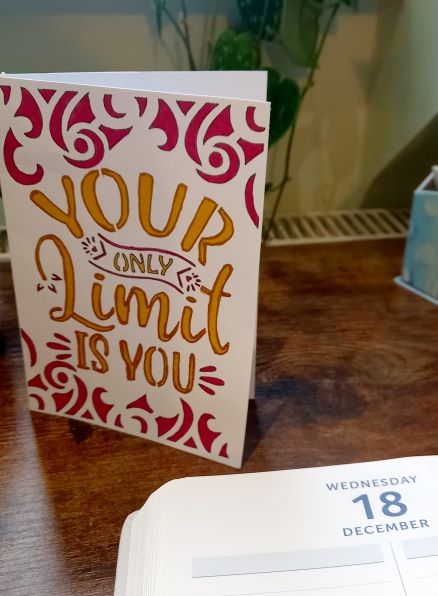
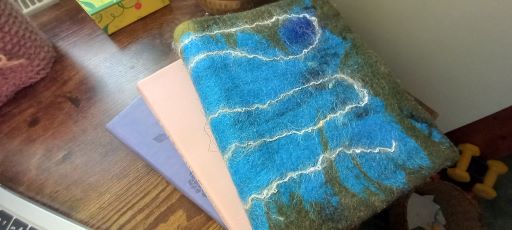
Two other events happened around the same time as this which I felt were hugely significant. Someone, I know felt compelled to send me this when she was crafting. I saw that as a sign.
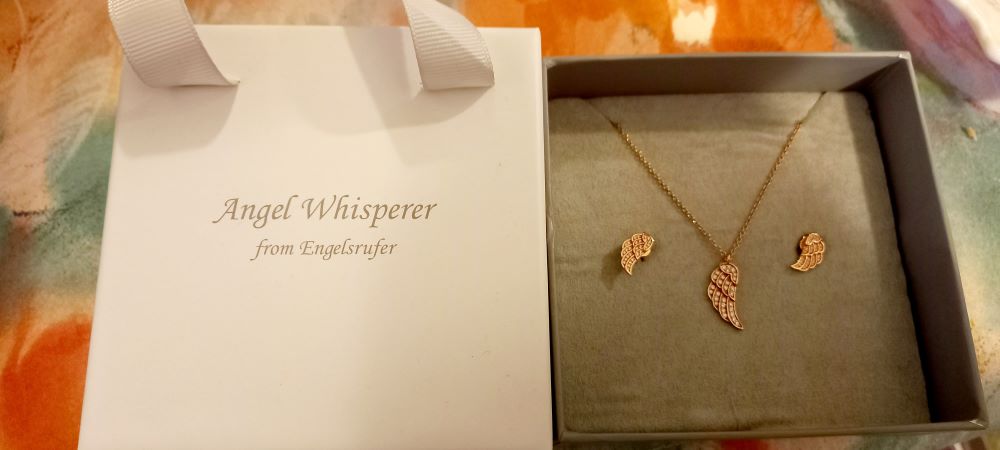
My aunt had seen some jewellery called Angel Whisperer. She had walked past the shop for six weeks and then one day woke up saying Helen must have this and I have no idea why. She jumped on a bus and thought, if the said pieces are still there it is meant to be. She gave them to me in November during my last Oxford trip. I love the symbol of the wings whispering go on Helen, fly high.
She doesn’t even know about my blog, or even what I write about. How I sometimes feel the presence of angels looking after me and my family. I tried to share a little bit of this with her but she is not of the same mind as me so it’s difficult. I think she understood some of it though.
So, as we approach this season of Christmas maybe magic and mystery can truly happen- one where we can dream and ponder, hope and wonder, be inspired, love, and form a deeper connection with something greater than ourselves that cannot be bought, or won, but can be claimed through the power of belief.
May you have a blessed Christmas and a prosperous and happy New Year.
This blog will take a pause now for a rest in January and where I need to turn my attention to my revised work website. But I’ll return at the end of January with fresh content and new ideas. I am excited about next year and I can’t wait to see what happens next….
Happy Christmas and hope you have the start of a prosperous New Year.
Unfortunately for the third week running, there is no accompanying audio. Life and the awful weather has prevented me from walking alone to record anything. It will be back next week though.
Three events/observations which happened last week.
I listened to a YouTube video by Peter Sage which has completely changed my perspective on gratitude and maybe it was one I was meant to hear. It’s very powerful and if you ever feel like life isn’t great, then please give this a go. It was a big wake-up call for me. Here it is.
Running alongside this was my idea that I wanted to return to one previous post about success and failure as it had touched one reader’s heart. I hope they read this as it might help them to realise just what qualities they truly have.
A difficult conversation.
Reflection:
Bringing these experiences together, I want to go back to the topic of being grateful and a new word resilience and how I am choosing to think differently from even what I had touched upon a week ago.
Point one:
We can all look at what didn’t go well, the decisions not made, the things we allowed to go on for too long, the people we met, the jobs we had, the divorce that happened, the trust that was broken, the disappointment of what if…….
Point two:
We can allow the very close people we are aligned to influence our narrative. They can try to paint our picture of life mirroring what they think their own looks like. The dark colours they choose can impact the finished result of our own picture, should we choose it too? Note, that we can reject this image.
Point three:
We have a chisel in our hand as far as digging up the past. We can mine for the mud or we can chisel for the gold. For out of every negative experience or perceived failure, you can turn the dust into diamonds or the grime into what shimmers, if you dig hard enough with a different attitude. Now you get to decide whether you want to continue to wear the dust or glow in a new light.
From one of those experiences last week, I recalled a time in 2010 when I had to make such a decision, and it was from that moment onwards that drove me forward to where I am today. I think I may have already mentioned it in one of my blog posts and a major driver in everything I do.
So here are some of my examples of where the dust has been reframed into a golden nugget.
Dust: I didn’t get a chance to do most of what I wanted artistically as a child- ballet classes and piano lessons.
Gold: The determination to not give up when I have had the opportunity to do things as an adult. Also, to make those opportunities happen. I have had piano lessons for nearly four years and have found someone who does adult ballet classes, but I have chosen not to do the latter- my choice.
Dust: A very traumatic short first marriage.
Gold: It was from that experience I met Jean who many of my friends know is one of the most important people in my and my family’s life. Incidentally, she is the one who recently connected me to the ballet teacher. This demonstrates how one opportunity can lead to another, or chance encounter. Also, that former marriage taught me great empathy with regard to other people’s experiences of mental health.
Dust: I failed midwifery training and the sequence of events that led to that was brutal. It was a very painful experience of shame, bullying and failure, though I stress I didn’t harm anyone in the process- just for the record.
Gold: From that I left the NHS, not wanting to go back into Nursing which has led me to completely change my career for the better. (See my Story). That dust bowl was one of the best things that ever happened to me.
I could go on. Is there one thing you can reframe in your life?
Rewriting the Story:
We can all choose to tell our story differently by looking at the negatives and asking ourselves what good came out of that experience. What did I learn from it? How has it shaped me into who I am today? Who came into my life as a result of ‘ that’ happening? Believe me, I have been so blessed in so many ways over the years out of adversity.
This shift in thought is not meant to mask the pain, for you to be in denial that it happened or not to acknowledge the deep wrong or injustice that may have happened to you. But instead, you get to choose what you want to actively do with that experience.
The Victim or the Victor:
Either you allow the regrets to squash and consume you, reduce you to dust or use the dust as fuel for the ember that still flickers. To turn that energy and make something that is gold to help yourself, at least, and maybe others.
I’m not saying I am perfect with this. I can still compare myself to others, that voice of victim hood still wants to grab my attention and whisper in my ear:
“Look what they have. Don’t you wish you had a life like that? Why is it they have just had it so easy? Why did I have to go through all this? “
Then you can look at someone else’s Facebook post who is going through a harder time than you and that somehow soothes you that they are having it worse, and that somehow makes you feel better. Both these reactions I think are fundamentally wrong and awful to feel. Ultimately, I switch the thinking and narrative into this.
“I concentrate on my life and how I am shaping it to how I want it to look like. Crucially what do I have to do to make this happen? No one else is going to do that for me. It’s my responsibility.”
Avoid what brings you down:
I avoid as much as possible depressing news and scrolling through endless social media posts of comparisons. Crucially I have realised I don’t want to feed the same negative feeling in others by putting out to the world what I’m doing. OK, I like photography and enjoy posting holiday pictures as anyone else, but I am just more mindful of what reaction that might trigger in others less fortunate.
My attention is turned to a question. How can my work within the English language industry help others? I look outside of myself more and within the inner dialogue there is less self-absorption and more contribution. This is my driver and which propels me forward, even when I have my ‘down’ days.
This doesn’t mean that my life is all about sacrifice and just living for others. In fact, it needs to have even more self-care and a bit of indulgence. It certainly needs more fun. I don’t know how to have fun, as my life has been so serious for all sorts of reasons. It’s that balance again. Next year, I want to carve out more space, silence, free time and me getting to choose what happens next.
Ultimately, it’s all about empowerment as well as being grateful for the big and little things in life. And when I doubt myself, or have had a particularly hard or stressful time, my words that steady my hand to keep going and keep digging are these:
“Remember just how far you have come!”
Resonate with any of it, or do you have a different angle on life? I would love to know.
What is gratitude? Currently, It’s such a buss word. It is spoken and written about everywhere and could be seen as overused, like a dose of gratitude can heal everything in an instant. You say the word, swallow the medicine, and convince yourself that everything is going to be OK. It sits around in your system soothing your pain for four to six hours. It might be enough to lift your spirits or the effect wears off. So, you then try to be thankful for something else to get that same effect. A drug with no nasty side effects. Or is it really like that?
The last two week have been very tough here. My family was wiped out with a nasty virus as I was in Oxford doing my supporting role for my ‘adoptive mother.’ The washing machine had broken, the water tank had leaked and I was having a wobble, as over £1K of bills rolled in. My car had just had a service too. It triggered my anxiety around money and I had to say to myself:
“It’s OK, your new budgeting system covers it, and just trust that the next invoice will pay off the kitchen. You are so close now. Be proud of what you have financially achieved this last year.”
This week’s post tackles a subject I have been putting off talking about because my relationship with the word ‘gratitude’ is partially uneasy and could be construed as negative. We have peddled gratitude like it’s a holy grail in the personal development world. One we must adhere to, be subscribed to, and sign up for.
Going back to my time in Oxford, I slipped momentarily into the victim, why me mode. After all, we are all human. The latest text message arrived which my aunt read out to me. Her son was doing some amazing things in New Zealand and this little voice inside my head said:
“ And what are you doing? Walking around in yet another charity shop which you frequent from here to Norfolk. That’s your main social outlet isn’t it, apart from walking around the periphery of an estate and managing to go to an odd concert or two.”
I stopped myself in my tracks and pulled out the old gratitude medicine from its invisible first-aid box. A little voice in my head said:
“But your grandson is OK and doesn’t have what you suspected. Your recent mammogram this time is clear, someone is coming to help take the door off the new kitchen to get the old washing machine out and help put the new one in (because our kitchen is just so small) Just count your blessings.”
However, deep down this is my problem with being grateful. The pain I feel when I see people scrapping around in a huge dust bowl of adversity trying to find the traces of gold to soothe their life which never seems to get easier. Life isn’t fair. I know of good people who stay poor and rich people who aren’t very nice. I know of people whose life is blessed and everything seems to fall into place. I know people who have one struggle after another.
Then you think of all that is going on in war-torn areas of the world and say to yourself how is gratitude helping them right now? It’s not stopping them from getting bombed, and killed with no reason or justice. Try saying to them just be grateful, they would rightly probably slap you in the face. Can you feel my anger rising here?
So you could justifiably say gratitude works only when you are fortunate enough to have enough basics in life as a good starting point. And it helps hugely not to be in the most deprived and war-torn areas of the world. Maybe gratitude then and its results is rather selective.
Yet, there is a huge body of evidence to say why gratitude is beneficial to us in so many ways. How our brains physically light up and change when we are grateful and how we can sleep better when our last thought of the day is one of a positive state. It programs our minds so that when we wake up the next day, we are off to a better start.
For me, I need to read Victor Frankl ‘Man’s Search for Meaning’ – reflections upon surviving a Nazi Concentration camp. It’s been on my book list for a while. What I do know is that a victim status is a no, go, it gets you nowhere and we should aim to find gratitude in the smallest of places, but at the same time, if we are not happy about something then, if we can, we should act to seek change.
If I want to stop having a social life mainly walking around charity shops, then it’s up to me to make it happen. I have started an Australia fund to realise a dream which is to see my penfriend of 40 years in Perth. Something I have always wanted to do.
Finally, I will write about this subject again as I learn more about the research supporting the powerful effect of being grateful, as well as a shift in my attitude towards it. I leave you with a question. What is your relationship with gratitude? I appreciate I haven’t given you any clear answers, one way or the other.
Here is a reference for you to read more about the benefits of gratitude if you wish to explore it further.
Until next week….
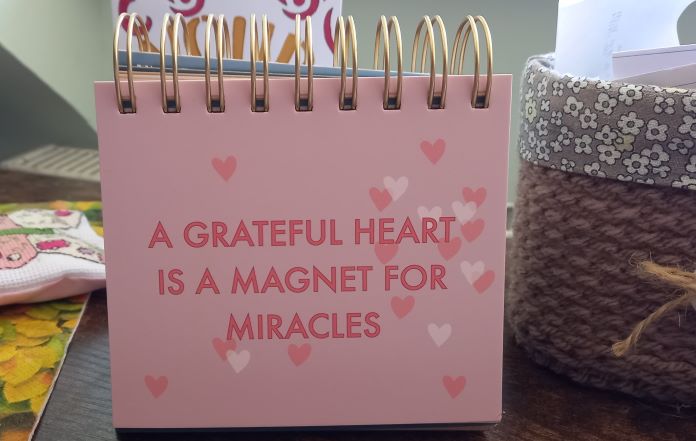
Image number one from Lisa Angel Floral Positivity Flip Chart, Norwich
Good morning here in the beautiful city of Oxford where I have come for a pre-Christmas visit to my aunt, and this week my post will be briefer.
I have just finished my new habit/task ignited by changing one word and I am impressed so far with the results. Intrigued and want to know more? well, it’s surprisingly simple.
We all have to-do lists, and we all know that to-do lists, in terms of getting things done can be like a pack of cards. You shuffle things around, move things onto the back burner and shuffle again, so the tasks are at the top of the pack. Then you put the cards away until you get them out again a week later and realise nothing major has really budged. You have remembered that but forgotten something else. A new pressing job has come into play, and you put that as a priority. This gets done but the harder stuff, like accounts and emails for me, just gets pushed back for another week.
Emails are one task that I was, note the past tense, hopeless at sorting out. So, I changed one word on my tasks board at home. The to-do list became my accountability list. People can have accountability partners to hold themselves accountable for getting things done. However, I have never asked anyone to do this because I don’t want to burden them with another task, i.e. managing me.
How to Bridge the Gap between trying and doing.
No, I must learn to manage myself more effectively. As a start, I put at the top of my accountability list, delete 50 emails and unsubscribe to one until you have smashed the 4000 emails sitting in your inbox commencing the week of 4th November. Reduce, clear, unsubscribe, repeat and don’t let yourself down. And it has worked and not only that, the 50 emails deletion have become 100 and the one unsubscribing has turned into two. My inbox is now currently is sitting at just over 2000.
I now have an inbox not on red alert anymore because it is nearly full and by streamlining what I really want to keep on my mailing list I am reducing the mental clutter of information overload. I waste a lot of time clearing this word pile down when it could be spent elsewhere. Up to now, it’s been highly inefficient, hot and cold and hit and miss.
What’s next.
The next task is to pick one area of the many subscribers I sign up to and hone in on that one bite-sized piece of news. That will be next week’s accountability.
For next week, I am preparing two work meetings to go over some of the features here in this blog, among other plans, as next year I am completely revamping my professional website. This includes evaluating all my work to date with some important changes on where I want to focus my efforts.
Therefore, I have decided to take next week off my blog and concentrate on what needs to be done. This will be time well spent.
I will be back in two weeks.
Until then, I leave you with my favourite walk here at Shotover Country Park, a location of my youth and a place of many special memories.
( The audio is not a transcription but acts as an introduction to this blog post. and recorded at the weekend.)
There are books written just about Habits, how to form good ones, and how to discard the bad, so this post can only touch the surface. Therefore, I see this as an introduction and some thoughts on the effects of developing better routines and ways to organise your time and your life.
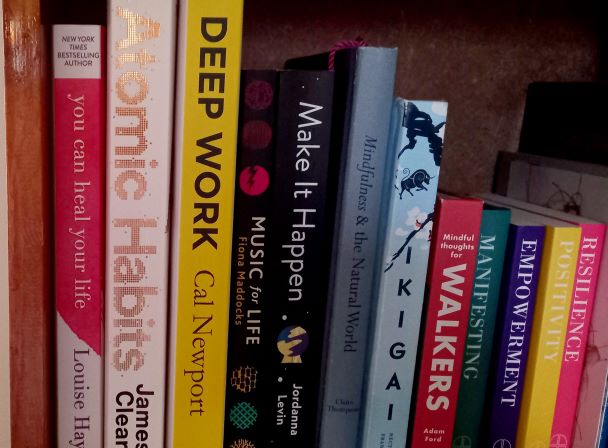
Some of you may have heard of James Clear, the giant in this field. The subject of how simple tasks repeated multiple times equaling compelling results. This momentum creates a clear line. A line that separates who gets ahead and who gets left behind.
Small efforts over time is the path to choose:
Habits in themselves as tasks are often very easy to do but the action of doing them consistently to create a long-lasting benefit is often one that people fail on, me included.
In his book ‘Atomic Habits’ James’ title suggests there is a power of great magnitude at play here which when utilised can move mountains and catapult us like atomic bombs into the stratosphere of success.
His Newsletter 3-2-1 is one that I never bypass each Thursday to read in my inbox. Both James, and Darren Hardy in his book ‘The Compound Effect’ write about the 1% marker in improvement in small and seemingly insignificant efforts producing remarkable results when compounded over time.
We know this works within the laws of financial Investment so why not within the laws of one own self and the way we go about doing things, or not doing them? Alternatively, we all know what happens when the ship or the plane is of course by 1% and as James writes:
“Conversely, if you get 1% worse each day for one year, you’ll decline nearly down to zero from the 37% increase if you became 1% improved at something.” Habits are the compound interest in self-improvement.
But you may ask, I am comfortable with where I am so why should I bother?
Well, a positive effect of developing better ways of doing things, or to be frank making better life choices in one’s action have an overwhelming effect on productivity, lack of stress, more knowledge, potentially better income and can lead to more meaningful relationships.
Ask yourself one question. What one annoying thing do I want to shift out of my life? What is stopping you from doing it? I think we all have at least one habit we would like to ditch.
The Habit Stack:
In ‘Atomic Habits’ James talks about how to make a new habit stick and it’s by a system called Habit Stacking. Simply, this is where you build a new activity from a previous action already ingrained and running on autopilot. An example for me would be once I wake up, I drink a glass of water. To give you the best chance of success, have the glass ready and full on the bedside locker the night before. Similarly, have your clothes ready the night before to get straight into them in the morning so you can start your day. I forgot to do this two night ago and spent 10 minutes rummaging around as to what I should wear in the ironing pile and wardrobe.
Peter Sage also suggests that setting up your day the night before is crucial to how the day is going to start. This may sound all rather boring and almost obsessional, but it works when you have a brain like mine, that can easily get distracted or you forget to do something. This is the prime reason why my habits fail- I simply forget to remember because the new action isn’t as yet automatic. How many times have you done something because that’s always the way you have done it? Here at home, we are learning to put the car keys in a new place and is a good example since having our new kitchen.
Why does this matter?
Consistency can start well but then slack off. This is my number one trait and habit killer. We start out with good intentions but then fall off the wagon. Often, I have to say to myself just start where you left off. I then ask the question, why do some habits stick better than others?
I suppose it’s all about how much you really want to change and can see the benefit from it. In his book ‘Make Your Bed’, the author states that the first thing you should do in the morning is make your bed because it sets the scene for the new day and psychologically creates a tone that sleep is over. This is done daily by me now and it has a very powerful effect.
Mel Robbins also talks about the five-second rule as far as getting up. Count to five and move. For me, that’s much harder to do.
Joshua Becker (Minimalist writer) encourages us that if you can do something in a minute or less, don’t put it off, do it, that’s really powerful especially when it comes to washing the dishes and having a tidy kitchen as a starting point in the morning. But when it comes to the big decisions that takes you away from comfort zones and procrastination the effect can be even more profound. Before publishing this I sent an email this morning asking for a meeting which could shape my professional work for 2025. This all feels really good which brings me to another point- that feeling of being in control and when things work well.
What has this meant for me?
Certainly, I would not have achieved as much in the last 10 years if I hadn’t adopted these principles. This blog would easily have been a thought still inside my head and not a reality. For me, time management and day efficiency, a commitment to get something finished and discipline have all been built into my life because of some non-negotiable habits I have created for myself.
What is the number one enemy of a new habit?
I’m afraid to say it but loved ones are the enemy and external extractions. Yes, the people we live with can ‘stuff us up’ and pull us of course. We fit in and conform to other people’s desires and weaken against their own bad habits.
“Would you like a chocolate dear from the goodie bag?” says my husband post Halloween as I fail miserably at drastically reducing my sugar intake once and for all. As I am writing this, there is the ping of the phone telling me I have a message that I am curious to respond to.
Now it’s time to get moving and out for my walk. I have managed three walks within one hour of waking this last week, a first and yes, I have been sleeping better as a result.
Until next time when I share one new hack with you I have introduced into my life since writing this. I will be partly working in Oxford where I am going for a pre- Christmas visit to a relative, another example of how I have built freedom into my life to do what I want and when.
Have a great week.
References: Atomic Habits, James Clear, 2018, Penguin Random House, UK page 15.
The audio was recorded this last Sunday and sets the scene to the text. Do listen first, if you wish.
To illustrate how I find writing so useful, I will briefly describe a stressful situation.
Last week, my laptop suddenly lost all power, then the internet went down, and this last Sunday, just as I was about to begin teaching after five weeks of summer holiday, I fell ill. On Sunday morning I got out of bed groggy, a body like lead with pains and thought I had a virus or infection.
My router had been changed but had malfunctioned again. Open reach was booked to come out to see what the problem was. My lesson for the next day was finished (using internet data on my mobile phone and pen and paper) but I didn’t know whether I would be well enough to return to work. My two lessons for Wednesday were unfinished and swirling around in my head. My students were waiting to start again and I had promised a teacher (not from England) a Zoom call on a Monday afternoon. I went out for a walk to get some air and to try and feel better.
Earlier in the week, when this change of events started to kick off, I got my present journal out and started writing. With all this going on, including a new kitchen installation planned months ago for the summer (so we could eat salad and not feel cold with the open doors). On Monday morning, I felt a bit better and as the day progressed, I improved and I attended work and managed the Zoom meeting.
Writing as therapy
I have learnt that when problems present themselves, you write them down and say how you are feeling. Then one week later, or however long it takes, go back to it and see if those problems were as bad as you thought. Today, I can write- resolved and how. My health has improved whilst waiting for a test result after seeing the doctor. Writing this way has made me realise that everything can work out and it’s not worth getting too anxious about anything. This has helped me enormously with habitual, low-grade anxiety and I would highly recommend it.
Writing in a journal
I have never been great at just recording events in a diary. I find that dull, but when I do record something, I try to write for the memories, how it felt, what was noticed, who was there and even what the weather was like. I started one notebook when I was 50 and sometimes there are months in between entries. That doesn’t matter. It is good to recap and see how life has evolved. I will continue until the book is finished.
Writing for gratitude
I have written small notes, kept them in little bags, jars or boxes and dated them for anything that has happened that I’m grateful for, or for asking in prayer form for something specific. It is heartening to read them back. There have been some profound and touching statements. I have been very moved by some of them and many of my heartfelt desires have come true.
Writing for specific reasons:
In 2018, I started a social history diary where I write about wider issues of the day- politics, climate change, major events and where I predict what might happen in the future. I have recorded the centenary celebrations of WW1, Brexit, the Pandemic, General Elections, the Ukraine war and what is happening in Gaza. I want to leave it to my family. I also have a hunch that ink and pen writing will become scarcer as texting and the digital age will make old-fashioned pen and paper writing rarer.
Writing at the end of the day and detecting patterns
Last year, I was in a job that I absolutely hated for six months. It was a needs-must kind of work. I wrote in a type of journal that had tick boxes of positive and negative feelings. I would record these at the end of the day and quickly realised the patterns of what and whom that made me both happy and sad. It was very enlightening, and it helped make some decisions that had to be made. In spite of needing income I gave up the job and an opportunity that was much better came along instead. It was very useful to learn from and now looking back I was proud of coming through it all.
So, I hope I have given you some ideas to think about. Writing this has reinforced why I do what I do and I encourage you to give it a go too. I finished this post late last night finally getting back on track after a stressful week.
All my audios are a complement to my posts and are not merely a transcript. I encourage you to listen first to set the scene.
Putting on your writing shoes
“Spill what comes to you on the page.”
So says author Beth Kempton as I attended one of her writing sanctuaries last year, having bought her book ‘The Way of the Fearless Writer’. So, I begin with a story.
One day in 2005, I was given a pen, after a period of counselling, which prompted me to start writing. I was then a hesitant writer, a clumsy writer, as I put pen to paper in a blog format called one thoughtful woman. Plagued by doubt, my early experiences with English had left me with little confidence.
Early writing experiences
My early schooling, wrecked by bullying, eventually left its mark across all academic subjects, including being a weak grammarian. My first sitting for exams at age 16 saw me achieve two O-levels, History and Geography. I also passed a CSE one in English, but I termed this last one as not a ‘proper’ English Language qualification. I saw CSEs as second best which largely they were for their time.
The formal study of English Literature had been denied me two years earlier when I failed the mock exam by 2%. It took me two more attempts to scrape a C grade at O-level English Language, something which haunted any effort to see myself as a ‘serious’ writer until only fairly recently.
The Journey begins
I started a blog in my early forties when I returned to formal education ( University of East Anglia) and two things happened. I started to form an identity as a scholar and began to take off academically. This thrilled me, but I still had the old mindset of not taking myself seriously as a competent writer, outside of the lecture room. I bought books for my essay writing which still needed huge grammatical input and began to teach myself.
Fast forward to the pandemic, I remember going out for a walk and asking the Universe for a sign. Yes, I know for many of you that sounds rather weird, but I had been reading about the Law of Attraction and thought I would give it a go. In the middle of a deserted, featureless, bare concrete path there lay a feather right in front of me. Years ago, I had bought a quill feather with an ink pot and this had been mainly used as an ornament/novelty. I stopped dead in my tracks and picked it up. Was it telling me something about writing and if it had a future for me?
I took the feather home. It sat on the shelve, nudging me from time to time to take up the pen again. I stared at it, but what was I really to write about? My previous blog had produced no clear pathway or subject and I had stopped it. I needed to find my niche, my story, and what I cared enough about to form the discipline required to write something of real substance. The months passed by, but the thought never left me, resurfacing from time to time.
The momentum picks up
Then, In the summer of 2022, after another significant life event, I saw on Facebook a free summer writing sanctuary by Beth Kempton, the Japanologist and published author of books including ‘Wabi Sabi’ and ‘Freedom Seeker’. I was working hard at that point and had little time to indulge, but a little voice told me to sign up and do it anyway. I think this was my epiphany moment.
One of the exercises was to go and write outside. Beth uses the idea of writing sparks (a piece of poetry or writing to act as inspiration) and a previous spark of own, from reading John Lewis Stemple’s ‘Meadowland’ combined with walking in nature, and the love of big skies all came together. One day I was sitting at a Ford in South Acre, Norfolk, a place of many happy memories and started to write. I had no idea what was going to be created until the pen touched the paper and I just let my mind go.
The writing paradigm shifts.
A painter can paint what he sees outside, why not a writer then? This introduced me to a whole new way of thinking about where writing comes from. What ignites the words, the vision, story, of what needs to be written? And the exciting thing of all was that I found it so easy, like a lid from a paint pot finally opening and all that fresh new paint spilling out waiting to be seen.
The Summer Writing Sanctuary produced vibrant colours. Exercise after exercise made me bolder, and braver and I would read out loud what I had written and thought where has this come from? Soon nature and writing became as one, two halves, like a pair of walking shoes waiting to be put on to find unity, wholeness and a whole new sense of direction. It was from all of this that I walk beside you now with footstep conversations.
Where do we go from here?
Next week, I will continue to walk you through how you can write and why it is so powerful and good for us as an activity. There are many ways in which you can write for yourself, and for others and how to get started with some signposts to help you navigate your own road map.
Beth is currently doing another Summer Sanctuary and it’s completely free. I would encourage you to take a look at her work at https://dowhatyouloveforlife.com/ She is amazing and gives so much of herself and her time to help us become who we are called to be, with so many different courses at incredible value. She has also introduced me to Substack where you can also find her. I have created my own account but have yet to decide how I am going to use it.
Until next time and part 2. I hope you have a great week.