When you think of water how does it make you feel?
The audio this week, I hoped would be a video but I am still learning how to place them here within a certain bandwidth. Sadly, it had to be converted to MP3 only and you can hear my little grandson in the background enjoying the splashing water. I hope the sound is at least calming.
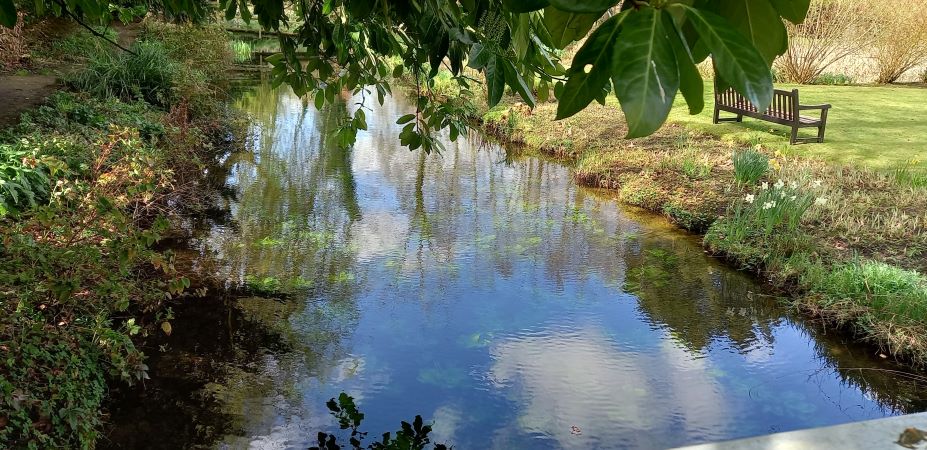
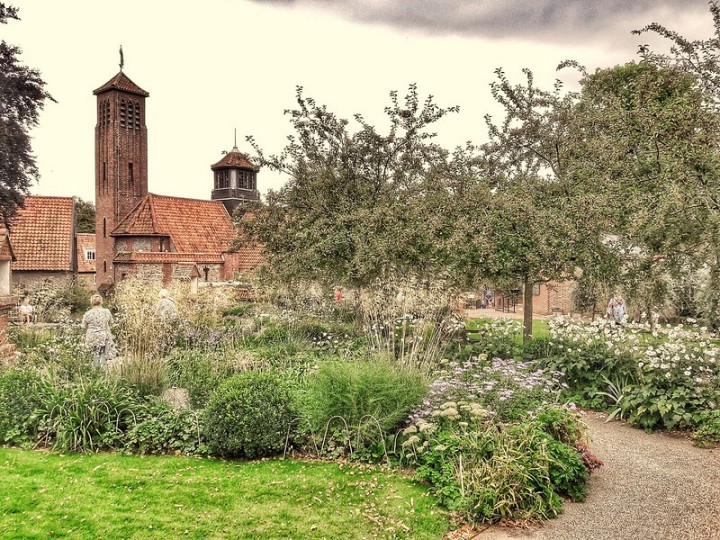
( Mother’s Day Visit to Gooderstone Water Garden, near Oxborough, Norfolk)
When I imagine water, I hear babbling streams and brooks. I think of the countryside, Yorkshire, The Lakes and can imagine myself sitting by a stream just pausing for a bit. We create ponds and water features in our gardens. It plays its tune to us as we soak up the summer sun. Eating al-fresco with a glass of something cool in hand, as water plays along with the outside orchestra of birds, trickling along without rhythmical hesitations.
Like drinks, water quenches our thirst in more ways than we realise. It does more than hydrate our cells, but appears to replenish our souls. The liquid of life that was a crucial element of when time began. To not have water is the end of life itself.
(The Beach at Corton, Lowestoft, Suffolk)
I was born in Lowestoft and the picture of water there for me was crashing waves, foam and tossing seas. The foghorn with November’s mist, the towering light house and the sound of seagulls all around. Often it was windy by the seashore, and I recall walks on Pakefield cliffs on a Sunday afternoon as a child with my parents. Little did I realise then, but I enjoyed walking by the sea and still do. I often want to take myself there after a stressful time or busy period. A place to inhale the sea air, like a medical nebuliser, expanding my lungs and clearing out the dust from my veins.
Many people turn to water when they need some escape or distraction. When we feel a little battled by life’s events or when we want to de-stress. Sports such as fishing, wild swimming, sailing and paddleboarding are pursuits where we can feel restful, even whilst engaged in a physical activity.
I live on the edge of the Fens and drive past rivers and waterways where boats and water stretch into the distance and I wonder where they are heading to. An untravelled place in time, the explorer in me wants to know more and the urge to see where the river bends is strong. The Fens were reclaimed from the water and the landscape, once boggy marshes, makes this corner of my world, now drained, so fertile for farmers.
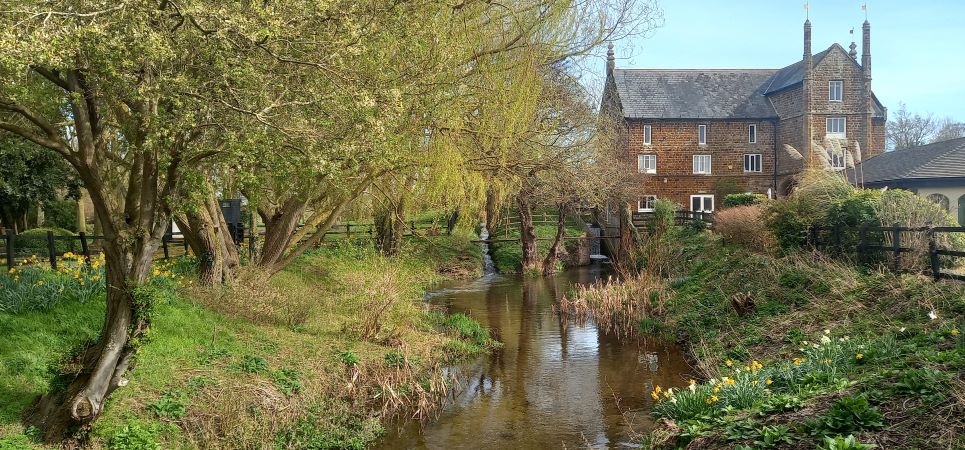
( A local outing to a Lavendar Farm, Heacham, Norfolk Caley Mill)
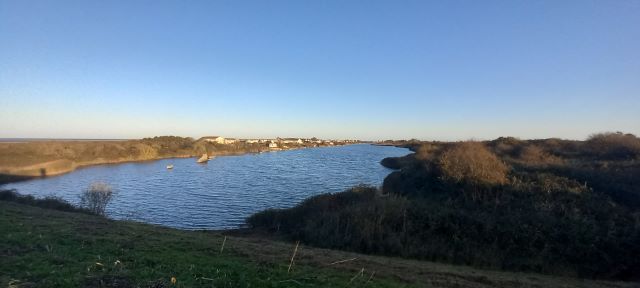
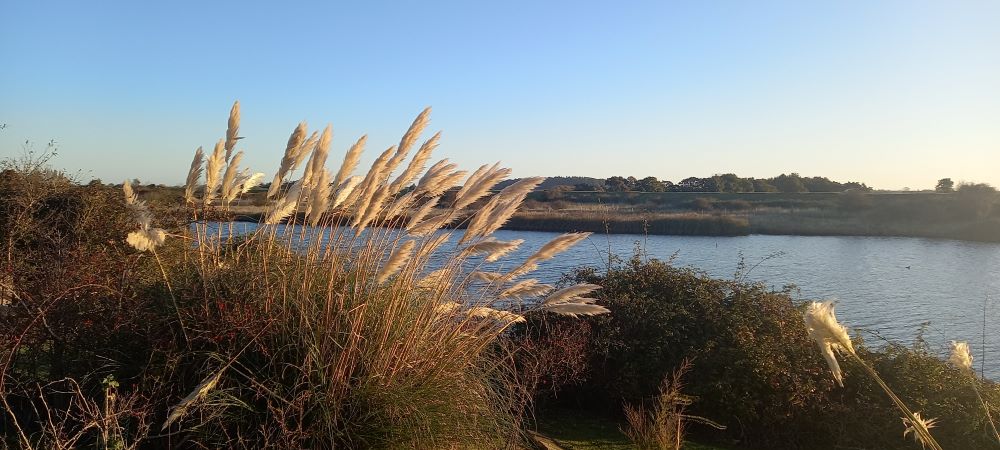
For me, I enjoy seeing water and hearing its sounds. It has an integral part in the way nature plays out. I have enjoyed being by it, standing near a water’s edge taking photographs such as this one and pondering life as I see its shine, physical reflections and movement.
However, I cannot swim and am afraid when it comes to water which is a shame. I have tried to learn to swim many times and have never managed to conquer the phobia. Walking on dry land makes me feel safer.
For others though, there is a fearlessness about water which is inspiring and poses the question.
Why do you think water can be so freeing?
From my perspective, It isn’t constricted by time, or people’s demands. It goes where it wants to, uninhibited and not afraid. I just wonder when we persue water hobbies do we feel the same? The freedom of being in the open air, the tingling splash on our faces, feeling the breeze, the gliding movement, the pulling forces and the push against the flow.
Water can be our friend when we know how to work with it and respect its power. We also know the devastating effects climate change is having on our world and the heartache it has caused when people’s homes are flooded, damaging land, destroying crops and wildlife.
But let’s leave water though in a positive light. People care about this precious resource and feel invested in it. Not just wanting to spend their time being around it, but also caring about how it is managed in a sound environmental way. We have seen lobbying and campaigning for our privatised water companies to clean up its act as far as making our waterways and rivers cleaner and safer, and locally we have individuals highlighting the need to protect our chalk streams which we are lucky to have in my part of the world.
( A stranger just enjoying the water at lowestoft)
I would love to know from anyone where water is an essential part of their recreational life and how it affects them? Why they like to be near it, or in it? And how does water feel different to those of us who feel safer on dry land?
I shall be taking a week’s break from blogging as the end of the tax year requires some business work. I shall be back in two weeks.
I am inspired this week to write about movement in a different way, having read @BethKempton’s Soul Circle prompt this last week which I subscribe to and an article on Substack on the same subject.
Ironically, to go deep into this word, I had to sit with it for a while and think about rhythm all around us, as a vibration on different levels/frequencies which encompasses so much of our everyday lives. Science tells us we are all made up of energy and we radiate a frequency which is reflected in our moods, thoughts and actions.
But what is rhythm in its fullest and most diverse expression? This week’s audio was recorded, just after a piano lesson and it was a focused hour of creating musical rhythm which is a work in progress for me. But rhythm isn’t just associated with music, is it? Here is my list of rhythms in all its various guises. See if you can think of any more.
The rhythm of flow in uninterrupted work states where ideas flow and understanding grows. We work best when we enter this state. Kal Newport has written a book about it called ‘Deep Work.’ See my Library page.
The rhythm of the wind flowing through trees horizontally, and vertically, whirling in circles and increasing and decreasing in speed is a fundamental part of our weather.
The rhythm of change as we flow through one day to the next, creating new experiences, work, and pleasure and how we can quicken the pace or pause the note, depending on where we are in our lives.
The rhythm of our heartbeat, the blood in our veins and arteries which keeps us alive and what we need to do to sustain optimum health.
The rhythm of our walking pace, the sounds created from our steps around us, our ears listening to those sounds of nature.
The rhythm of the song as we sing in choirs, collectively one voice in unison, taking part in something where we are one element of a bigger whole.
The rhythm of a clock ticking down time as we move through the years. The little hand marks significant focal points, as the minute hand of our tiny actions and habits influences the main events of our existential being until we get to our midnight hour.
The rhythm of the universe as stars are born and die in the sky, the ever-changing constellations, the moon cycles that observe Universal Laws.
The rhythm of the seasons as we move through winter to spring, summer to autumn, celebrating the equinox, the turn of the calendar and nature’s wheel in a circular motion.
The rhythm of writing as we create thoughts, stories and ideas on a page, the pen or laptop keys moving in tune with our mind.
Rhythm isn’t one thing in isolation but becomes part of other activities and my walk today showed me that spontaneity can equally flow with this force side by side.
This is what happened next:
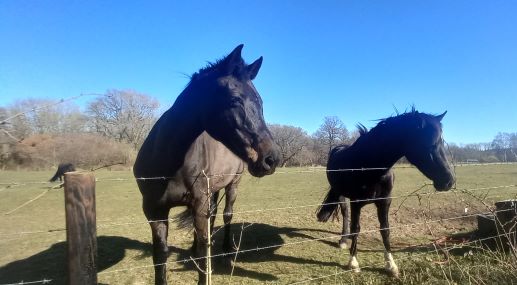
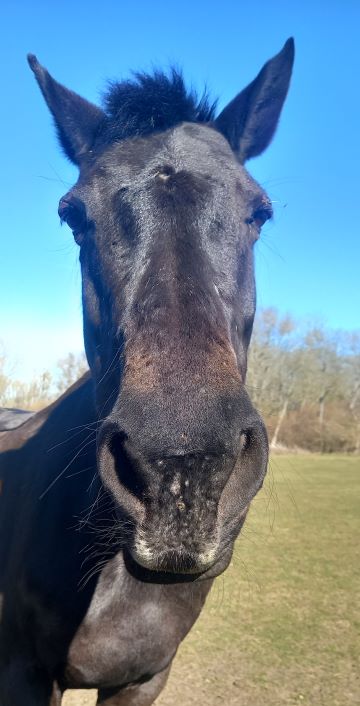
! Having put my phone in my bag, I looked and saw some horses.
I remembered I had an apple in my bag and a tinge of excitement emerged knowing that the horse would like it.
I went up to the horse and spoke to this lovely animal, giving my apple which he/she gracefully took. There was an instant energy of connection. I felt it whilst hearing the crunch from their teeth against the apple’s flesh.
The other horses stirred and took an interest. I would need to come back with three carrots next time I thought. I started to take some photos as the horse drank the water.
As I photographed the scene, a fellow walker and photographer came up and seeing me taking pictures started to do the same.
I spoke and we had a brief chat for five minutes as the rhythm of the camera shutter clicked quietly in the background. He was round about my age and I didn’t want him to think I was chatting him up, so I moved on soon after:))
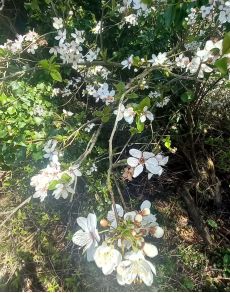
Having walked on I stopped at my favourite spot. I drank in the view, at peace with the world, thinking how I loved this view. I had taken a photo of some spring blossom that had caught my eye. It dazzled in the sunshine with its pure white foliage.
Another walker came along with his walking stick and it felt natural to strike up a greeting.
The elderly gentleman was a widower from a local town. He had lost his wife 18 months before and they both had loved this spot. I said I felt the same. For him It might have been the only conversation he would have for the day. I said I would look out for him as he walked regularly there.
I headed back towards the car and two more walkers with their dogs spoke remarking that the wind was still chilly. I then proceeded to go and see my friend. This all happened in less than 30 minutes.
My elderly friend who had had problems with her phone (now resolved) was glad to see me. I had a cup of tea. We exchanged concerns and updates.
One walk: one afternoon: One hour:
I had not planned any of it, apart from seeing my friend after piano. It had cost nothing, apart from some petrol but to me, this was an afternoon that saw rhythm and spontaneity in their fullest form. The frequency I was feeling was high, a real feeling of aliveness, and gratitude, drinking in the sunshine, the clear blue sky, against the white spring foliage. The birds were singing. This to me was living.
I couldn’t have been anywhere else that could have surpassed that moment. I was in the zone. I was happy. I was aligned with a vibration of a rhythm in time that felt good.
This is what walking does for me. I am much more in tune with life’s rhythms and am starting to feel its full force with quite transformative effects. I am less anxious and my need to tightly grip work, effort, control and figuring out every potential problem with a solution before it happens is lessening. Rhymn’s voice is saying slow down, don’t force, just trust, everything is going to be Ok. Just have faith that life’s timings are all as they are meant to me. All is well.
After last week’s mammoth read (thank you to everybody who read my reflections on six months of journaling through autumn and winter and stayed to the end with helpful comments), I have chosen this week to keep things very simple.
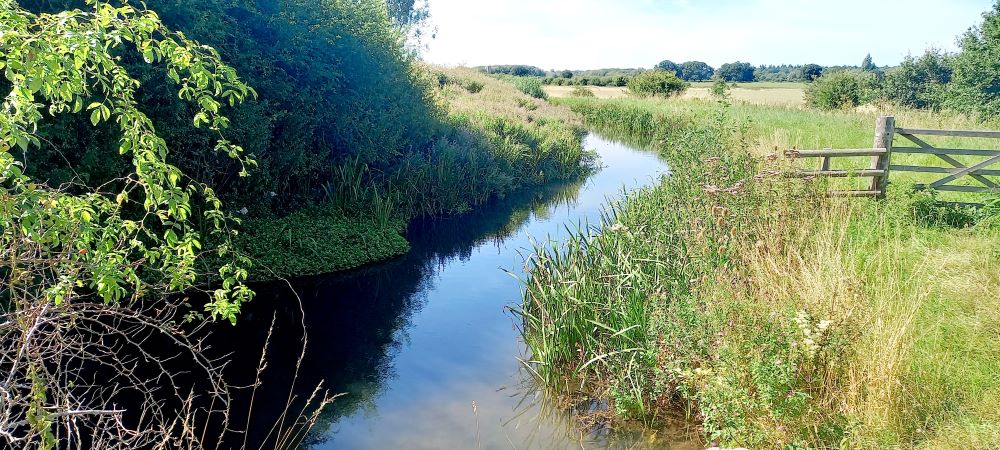
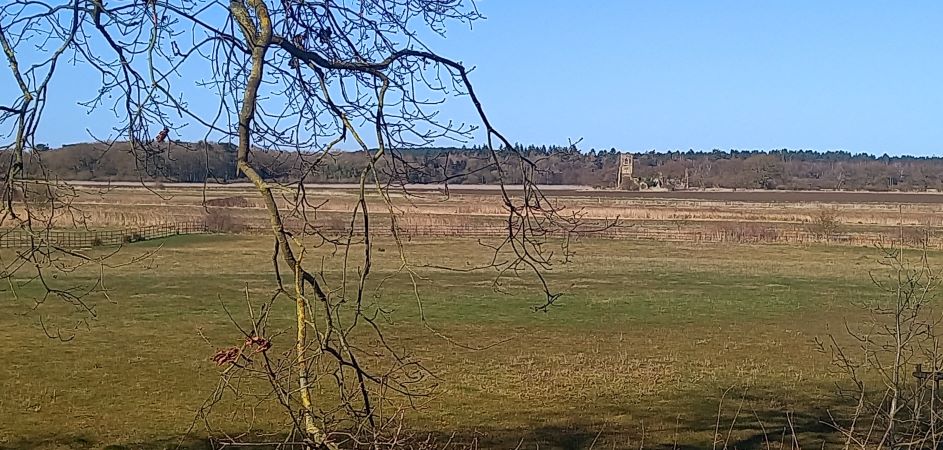
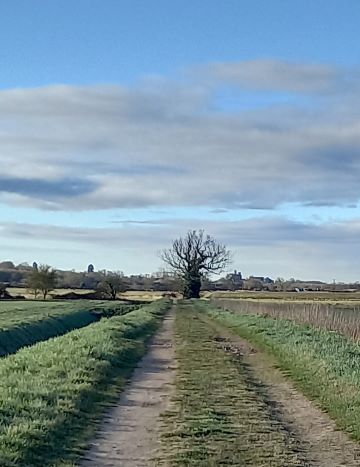
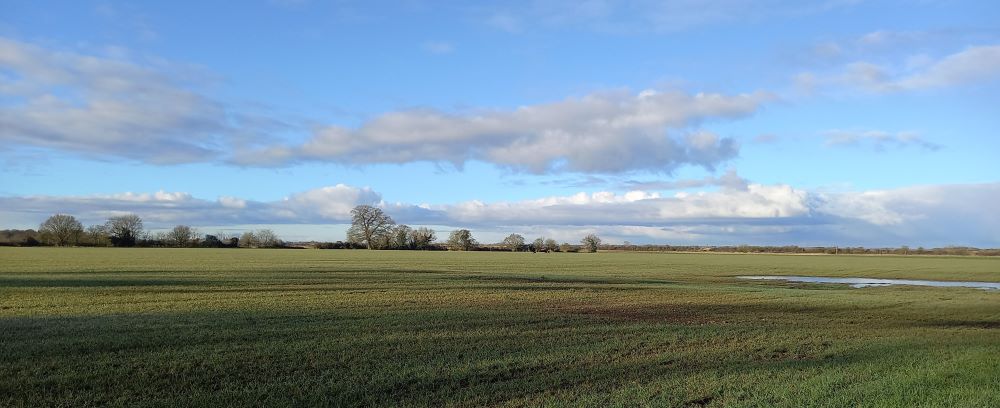
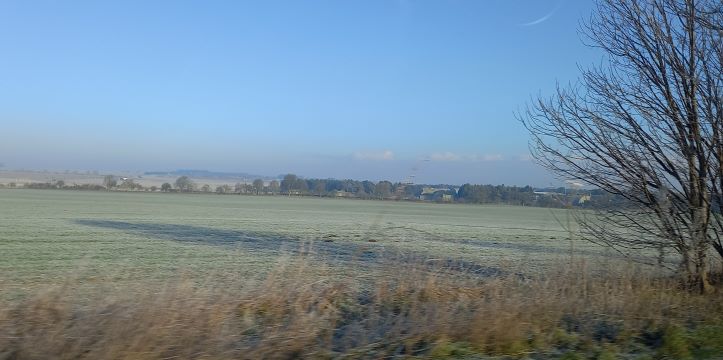
The photos here are from my early morning weekend walk which was a lovely, frosty spring morning. I even saw deer in the distance. I’m glad I get up early for these and meet my local walking friend for the one hour and 20 mins of chat and steps.
A new step for me:
Following on, as to why walking has helped me get through the autumn and winter, I have decided to place here my poem, which was submitted for the annual poetry competition of the Happiful magazine. I’ve never dared enter a poetry competition, fearing the disappointment of the 99% inevitable rejection but I’m glad I entered for two reasons:
Because I was serious about writing something I knew would be valuable and doing the best work I could, raising my own bar. I spent considerable time on the form, and flow after the first draft.
To experience the feeling that no, this wasn’t good enough in a judge’s mind, but that was OK. It does not invalidate it, or make it not an intelligent creative piece of work.
I was so touched at how Happiful (a magazine for positive mental health) replied to every one of us, not with some cliché answer but with a well-crafted thought-out response, offering encouragement and hope, saying that many of the entries would go on to find homes of their own.
We were told that there were over 900 of us, and it was a very difficult job to select the one winner and runners up because of the high quality of the work submitted from many of the entries. This felt so genuine, not just to make us feel better. I hope mine was one of them and it has found a home here.
I look forward to reading these in the April edition to see how they differed from mine and what made them stand out to be the ‘ chosen’ ones.
The brief was to write about something that benefits your mental health:
This poem as you can see is a walk through the seasons and how indeed walking is my saving grace. I wanted the poem to build up in strength, from the autumn and the already dulling of my spirit as winter is anticipated, to the uplifting energy of the spring and summer.
To convey the feeling of flow and movement within each stanza as I walked through the months, keenly observing what was around me, and how each season offered some medicine to help my overall mental well being. The guidelines were that it had to be no more than 25 lines, minus the title. Here it is:
Walking is my Saving Grace
Autumn’s light fading, oh how I dread,
the approaching winter, legs full of lead.
But autumn colours beckon me
to put on my boots and venture out.
Golden hues and skeleton leaves of lace,
Oh, walking is my saving grace.
Winter’s light jading, nature’s sleep begins,
the pressing grey, the chilling winds.
But winter silence encourages me
to put on my boots and venture out.
Diamond dew and frosty touch to face,
Oh, walking is my saving grace.
Spring’s light calling, the dawn of song,
the heralding chorus, new life budding strong.
How spring charms entice me
to put on my boots and venture out.
My gaze is sharp and quickens pace
Oh, walking is my saving grace.
Summer light uplifting, soft foliage green,
the blooming flowers, nature’s pastel scene.
How summer emboldens me
to put on my boots and venture out.
For movement is good, a compelling case
Oh, walking is my saving grace.
@HelenMarshall November 2024
Emailing this entry to a friend and fellow writer, including poems, I wondered if the final line should have said:
‘ How walking is my saving grace to give it a final impact but breaking the pattern. I’m awaiting feedback.
I posted this on my Substack account earlier and it’s certainly been the most successful post to date there and I currently have 32 subscribers in about two and half months. It’s good to see the people who have identified with this work and re-stacked it ( shared) with comments and thoughts.
It’s a lovely community and I’m really enjoying it over there. I’m keeping this site going because of holding the domain name, and for all the other pages/references and links on this wordpress site which I don’t have on that other platform. I have put months of work into this here and my few friends who read this are not on Substack. I’m happy for the two in run in partnership with each other.
What’s next:
To follow on from this week, next week is about the word rhythm and the rhythm of life. Given poetry is central to this word, it’s another good lead on from this post. I started next week’s audio today and that was special because of what happened after the recording. Come back to find out next week. It was a great short walk.
Coping with Autumn and Winter- a six month journaling experience.
/
RSS Feed
Share
Link
Embed
( The audio is not a transcript but accompanying thoughts for this post and why I did this)
The following in Italics are small extracts from my journal following these last two seasons. I struggle with both, and by writing an account it set me on a path to discover any patterns of behaviours, or triggers (positively or negatively) influencing how I felt during these these times.
As I was writing I was consciously and unconsciously putting systems in place to help me, as I discovered how I was feeling. I’m glad I did this and now wish to share the main points as I wrote about the changing seasons, the weather, nature what was happening and my mental health. These extracts are in note form and are not intended to be grammatically perfect.
31st August: Blue flowers in fields against Elderflowers and red berries. Summer and autumn are starting to merge. A lot to look forward to. Some nerves about being back teaching tomorrow after a month off from the Farm.
3rd September- Cloud, damp, everything has suddenly changed, change here too. Work stress, internet down at home, mood lower already. Tinnitus up, need to stay calm and steady.
20th September- we had a full harvest moon. The bush outside my house seems redder with the berries. Mood is restored as calmer house resumes. Already starting to plan for Christmas.
Revisting these early entries have already given me some thoughts about why doing this exercise has been so helpful. The emerging patterns of feelings what triggers any stress and why do I find this time so challenging?
Some people love winter, but for me, it seems heavy, and when weighted down by external events, it feels like you are bashing against an increasing cold wind and barrier. Traditionally, this has always been the most worrying time, the Christmas bills, heating, the cost of Christmas itself, various birthdays and the cars which had to be serviced, taxed and insured weighed heavy on my mind.
At the end of September, I went on a canal boat retreat and the attendees wrote about this transition of autumn through to winter. I journaled about how I felt about it in the past, compared to how I was attempting to feel differently about it now. It was a lovely day of deep writing and travel along the river at Ely. My daughter and I attended and it was great to connect with like-minded women.
Retreat day:
Autumn past:
“The fall of the leaves shows the darkness of that bare place, branches cut, barren and lifeless. I dreaded the clocks going back. It felt like I was going backwards with them. Time sat heavy and foreboding of the winter ahead.”
Autumn present:
I don’t know how it changed. It started from that golden ball of light and liberation within. The lighter self, the clouds of fog and depression gone, and it was like the shutters from my eyes were blown away to renewal, not death and darkness but harvest and hope.
This showed me how I associated the winter and the dark days ahead with my past depression notably occurring in 1999 and 2010. I went on to write that this season (autumn) should be about preparing and self-care for what lay ahead, taking stock and harvesting all the bounty of the spring and summer months.
“ I stand in the forest and see the golden greens and browns of effort and energy in front of me and know that this autumn is not an end but only a time to evaluate and to see what has worked. The soil is enriched with my leaves of activity, returning to the earth ready to sit quietly through the winter months, ready to step forth into the spring with a newness, a bud, a flower ready to begin again.”
I was full of buoyed-up optimism at this point. After the retreat, I write of seeing the Northern Lights in October, of the mists coming, and how the light continued to change in November. I planted cyclamen with their bright colours to see from my chair in the lounge overlooking our small garden, and booked a wreath-making workshop for Christmas. Something to look forward to seemed the way to get through this period. My daughter who finds winter equally stressful was doing similar things.
17th November- Harder- illness soon arrives with the autumn colours.
(Having a small toddler in our family now meant that we were being bathed in childhood germs).
Hand, Foot and Mouth wiped out most of November and lingering colds, though I was staying strong and virus-free up to this point elevated by Vitamin D, Zinc and Magnesium from my Joint supplements. My daughter’s plans for little activities to look forward to were largely wiped out from her calendar with quiet resignation. The wreath making workshop never happened and we did ours at home for my daughter’s 30th birthday.
26th November- Feeling like I have come out of a mini tunnel.
I had been to Oxford to see my aunt and as I entered the door back home, I didn’t come out the other side until now.
8th December- Possibly taking up a weather journal next year.
I had connected with a local village on Facebook and a guy was writing a weather report each day. I read and commented every day, showing my appreciation and encouragement, knowing what it feels like to write into thin air for no one to comment or possibly even look. My roots of loving the weather returned no matter what it threw at us.
This was a new activity. New activities I realised helped me. Husband says I’m happiest when I have something on the go. I also wrote:
“ Christmas, you go through this with high expectations only to see the hope dwindle with the light. Early Christmas planning is key.”
15th December- I take up poetry again after witnessing a glorious sunset. “ A Sunset by Little Thetford.” A small snippet.
“December midline and already fading
The Winter Solstice soon
Turns nature’s wheel again
Shifting time,
I move on.”
18th December- The first snowdrops in the garden. This winter has gone quickly so far.
3rd January weekend away with my lovely friend Sue to see at the ROH Cinderella in London. Pure magic and what a wonderful two days away.
8th January. There has been frost, rain and winds. Birds finally returned to the bird feeders today after hanging them up on Boxing Day and waiting.
The new term of teaching begins. Vanessa Thomas’ Mindful Narrowboat has been a beautiful find. (YouTube) Her journals were being bought for my birthday.
I started to feed the birds again and going out and recording winter bird songs. The robin I can now identify and the house sparrow. I can pick out a Tit but not know which one yet.)
18th January- A weather journal started since the New Year and a gratitude journal.
I had started morning walks and this was helping me want to get up and get on. The gratitude journal comprised one main event of the day and three things to be thankful for. Research says it’s powerful but it felt quite functional at first. It grows on you and the feeling increases as to the effect of it. Both are ongoing and I’m committed to completing them for the year.
25th January. Had a nice birthday. Quiet, spent at home. Susan and her husband came to visit. We had cake and I made soup. It was just what I wanted as I had had a big 60th birthday party last year. I went out for a walk and the sky was blue.
9th February
Illness, virus, hard, SED feel it in its grip, sitting no good, combined with malaise and grey, comfort in words, reading and writing. I’m an armchair hiker and traveller ( Reading Salt Path, plus sequel). I need to go to the nature reserve again. I feel its call. Trees for me are a healing place. Looking out of the window, there have been mists. The time has felt like a tunnel again. Only outside and fresh air can help.
14th February
Antibiotics (tonsillitis been ill since 27th Jan), blue skies this afternoon – the light is returning both physically and mentally. We are nearly out of this tunnel. Being outside and walking are two factors that I shall carry with me as remedies for surviving winter, even if the weather is terrible.
Had hit a terrible low by this point and my brain I felt was failing. Even got the name wrong on one of my substacks posts about my dog. I was forgetting things, stewing about the past, ruminating and this felt like a deep crisis. I turned to meditation, prayers, breathing and simply acknowledging past grieves and regrets. There were powerful conversations at home.
20th February. I walk Paige (daughter’s greyhound) at 17.30 and it was still twilight. Real progress with the light now. It’s becoming warmer too. (I don’t think it was but maybe I felt warmer as the end of winter was fast approaching.) The tulip heads are showing more in the planted tub outside. Tomorrow, I walk.
28th February
“ So we end this section here after six months of observations of autumn, through winter and out the other side. I shall do it again next autumn and winter to make any comparisons (given any changes). The daffodils are out and blue skies, The birds were singing at 10.00 am.
28th February continues
“Recording here has been a useful anchor point as this winter, with so much illness, has been the toughest winter yet. Spring really does pave the way for change, hope and a new tomorrow.
Tonight is the planetary alignment.”
Reflections:
At the end of this record, I was sitting on a swing in a local park breathing the air saying we have done this. A friend had sent a song for me to listen to. I smiled and thought my friends are such treasures. I would not swap my life for anyone’s because I have these people in my world. My family of course are vital but I want to acknowledge here how friends really are a lifeline.
Having read this fourth draft back, I realise that I was putting in place further strategies and systems as each new challenge or feeling arose.
My brain health has become a priority over anything else. I have placed an emphasis on the physical but now this shifts.
More sleep, I go to bed regularly and earlier and the morning walks I have noticed help me sleep better.
Move, really move more. I have started some indoor exercise on YouTube to old 1970’s 80’s music. Exercise has got to be something you enjoy, otherwise you just don’t do it.
Less screens: did some research on this and my grey matter and hippocampus have clearly shrunk due to 15 years of phone and screen time. I am saying wrong words I’ve noticed called ‘slip of the tongue’ and stress can do this. Cognitively I have lost a lot of confidence in my ability to process things.
Truly, I have even been quite paranoid about early dementia but I don’t fit the early warning signs, apart from what I have just mentioned. I’m a high-functioning individual but running a self-employed teaching business has meant 24/7 hustle and effort since 2018 and I am tired. I realise I have been close to burnout and I know what care responsibilities mean. I am also slowly doing some more teacher training to keep the numbers in my classrooms buoyant and fresh with new ideas and improved teaching methodology. My life like many of us is a juggling act.
No daytime TV. It’s on here for hours at a time for my husband but I am not being sucked into it.
I have been worried about walking in isolated places on my own and tend to stick to safe streets, but these are becoming boring around my housing estate. I want to be out in the wild. I tried to sell my little commute bike but had no luck. Maybe that was meant to be. The bike is being oiled and I plan to bike out a bit, walk and then get back on it again and bike off should I feel the need to. I think it will give me more security and I can go out further quicker, especially on workdays when time is less.
If I can next year, I want to take a proper winter holiday with warmth and sun. The endless grey at times has been so hard.
Big observation: Winter and Christmas are not the same. They are together but they both need to be dealt with separately. They are both stresses in different ways. Recognising the need to get early Christmas planning was a lifesaver for this last one and it will be started even earlier this year( the commercial aspect to it) which I hate. This will leave the way clear to just deal with winter as it unfolds, plus any spiritual celebrations.
Markers and rituals; Turning my seasonal photos over in their picture frame and my picture of nature’s wheel have felt grounding.
So work in progress. Has anything jumped out for you here? I would love to know. One thing that jumped out for me is how many times I have used the word tunnel.
If you have struggled with this last six months or experience Seasonal Effective disorder , I would really encourage you to do this. I have gained so much from this experience to move forward for next time. For now Spring is here and I am so glad.
Full circle, I am in Oxford again and taking a break next week. I shall be back here on Wednesday the 19th March.
Following on from last week’s post, I have decided to continue this theme of what it means to be a pilgrim, and why I think many of us could be one, even if we have never made a connection with the word to ourselves.
So, firstly what does this word mean? Before I dive straight into the Oxford Online Dictionary, I’m going to pause and write my own definition and then see how this translates to the formal linguistic definition.
Pilgrimage- my definition:
To go on a walk of intention to a set destination for the purpose of a spiritual encounter.
For the literal definition here it is: Note, I haven’t taken the first definition in this link if you should want to look at the reference but this one because I think that’s what most people would agree on.
“ A trip, often a long one, made to a holy place for religious reasons.”
I have quoted here The National Trust’s description which I think gives a richer meaning of what it means to be a pilgrim.
“A pilgrimage is a devotional practice consisting of a prolonged journey, often undertaken on foot or horseback, toward a specific destination of significance. It is an inherently transient experience, removing the participant from his or her home environment and identity. The means or motivations in undertaking a pilgrimage might vary, but the act, however performed, blends the physical and the spiritual into a unified experience.”
A brief history of the pilgrim:
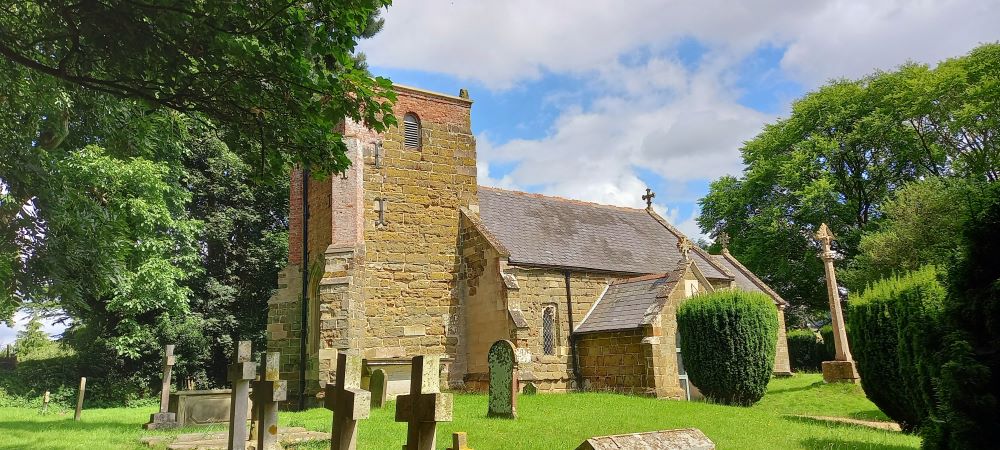
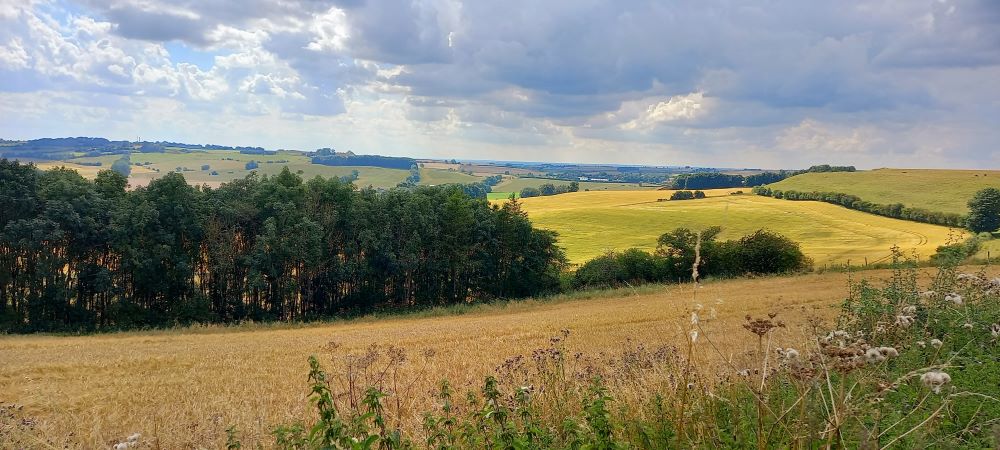
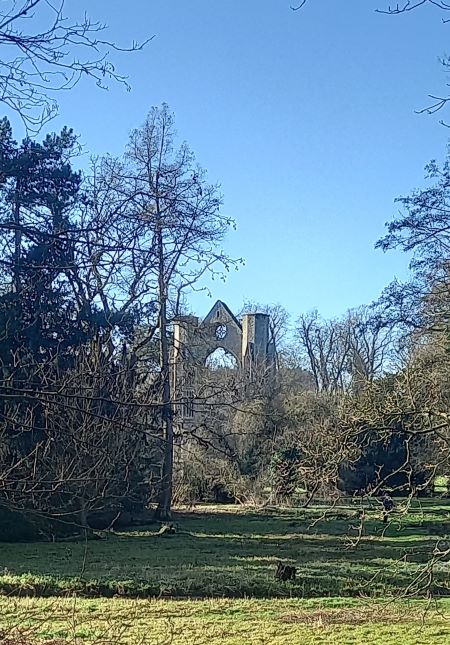
We think of pilgrims as walkers to specific religious buildings or places undertaken by both Christians and Muslims. For the purposes of this post, I mention a few of the most popular destinations in the UK, not because the walks to Mecca and the Muslim faith are not equally important, but because I draw from my own Christian experiences and historical interests. The picture below is one I took on a walk at Spilsby in the Lincolnshire Wolds in 2021.
Often, these are long journeys with a set path, resting at various intervals along the way. The last reference mentions the 12th Century in the UK as a Golden Age of pilgrimages. They span over centuries and are a focal point for people seeking miracles, redemption, the forgiveness of sins, and prayerful encounters with a divine Deity. Henry VIII visited the Slipper Chapel twice with his first wife Catherine of Aragon leaving money and lighting candles at Walsingham.
For me, I love the Anglican shrine at Walsingham. A place I crave when I seek peace, and quiet and I often take the Holy Spring water there and write my own prayer requests and light a candle. Henry VIII’s Dissolution of the Monasteries from 1536 robbed us of many precious religious sites such as the Abbey at Walsingham, though I firmly believe King Henry never left his Catholic faith to embrace the Reformation during this period.
Other Popular Pilgrimage walks and destinations in the UK:
The first one that springs to mind is Canterbury Cathedral, a place I have longed to visit again. I remember my parents taking me as a child and I distinctly remember the place where Thomas Beckett was slain by the knights of Henry II and how the Guide removed his hat in respect to the cannonised Archbishop of Canterbury. You can read a fuller historical account here.
And of course, as a lover of the Northumberland landscape and who could happily retire there to higher ground, away from the exposed landscape to flooding where I live, we cannot forget Lindisfarne, a place well known for miracles and its association with St Cuthbert.
Closer to home we have the famous Peddars Way where Pilgrims would rest on their way to Walsingham. It dates back to AD 61 when it was built by the Romans across East Anglia. It runs from Knettishall Health in Suffolk to the North Norfolk Coast near Hunstanton. Peddar comes from the Latin word ‘Pedester’ which means on foot and is part of the Norfolk Coast Path National Trail.
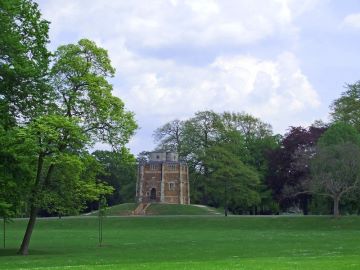
A local resting place- The Red Mount King’s Lynn:
Built between 1483 and 1485 this octagonal chapel was built, not only to bring trade into the town but as a resting place for pilgrims on their way to Walsingham. Made of Tudor brick it’s shaped with a buttress at each corner and is open to the public on National Heritage Days. I couldn’t help but think how cold it must have been, even though I saw a small fireplace inside. The walk of the Pilgrim was certainly a hard one.
Our travels:
Can we take this word and create a more modern secular definition? I think we can.
I know of friends who take off seeking family ancestry, churches, and buildings in connection with their own place in history, or people who walk for spiritual comfort, myself included, and who travel to set destinations for intentions of nourishment for physical and mental healing and rest. I feel these are all pilgrimages in some form, even if there isn’t a religious building at the end of the road.
And forgive me for mentioning ‘The Salt Path’ by Raynor Winn yet again, but wasn’t that an incredible pilgrimage to find forgiveness, healing, and hope, even if the walkers didn’t confess to any scriptural belief set? If you haven’t read my blog post book review, then take a look, you will find it listed on the right of this blog site, if you go to this site’s home page.
Furthermore, I have heard on TV programs about walks where walkers have found the church door open for rest and to find a quiet space. This is personally why I like to visit them and my retreats are not only to Walsingham but to the Lincolnshire Wolds where I see this as a very special place unspoiled, wild, and liberating. I come away totally restored.
In conclusion:
Are you a pilgrim? Could you be seeking your own pilgrimage?
I hope this blog post has given you some insight into this subject that maybe you too would like to take a rucksack and some time out to walk on a journey of discovery, and an end point where you feel refreshed and fulfilled. You may discover something more, or about yourself, than just a landmark at the end of the road.
There is no audio this week. Rain and a persistent throat virus prevent me from taking a walk and recording a message. I have a feeling though I am too soft. Rain, sore throat and an ear ache wouldn’t have stopped the subject of this week’s blog and certainly not the people in last week’s.
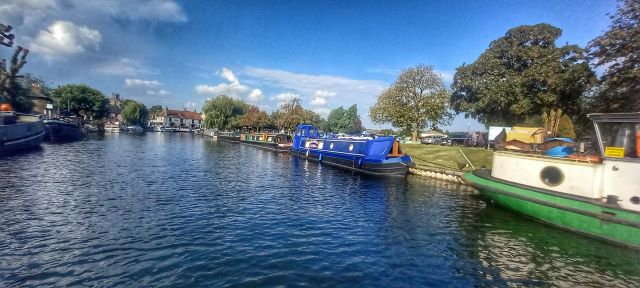
( All photos were taken along Ely River on my narrow boat trip last year)
Has Winter felt long this year? It has for me, but a recent discovery as we sit and brave out the dark nights has arrived in the form of a YouTube channel called ‘The Mindful Narrow Boat’ by Vanessa Thomas. The benefits of nature, wildlife, sunshine, walking, travelling and being outside are laid out on our screens for all to see as we float along the canals with her, be it in our armchairs.With her unique brand of creativity, she shares her life on a narrow boat with her dog Zephyr. I am sure her husband helps in the background, but she is the sole presenter.
I’m not drawn to water, not being a swimmer, but there is something about the narrow boat life that is appealing. I am an Aquarian, the sign of the water carrier, so perhaps something of that element is within me waiting to be explored. However, I think it has more to do with the gentle pace of this life and the undeniable fact that if we are to re-wild our most nature-deprived country in Europe then water has a huge role to play in its recovery.
You may remember, in another blog, my experience of a writing retreat day on a narrow boat in Ely last year. I can see why I enjoyed it so much. To be carried by the water and the soothing sound of the boat’s engine, watching the swaying reed beds and soaking up, what was then a September day, did an enormous amount of good for my well-being. A new teaching term meant that I was reviving up the work engine and this outing was a gentle way back into this after the long summer break.
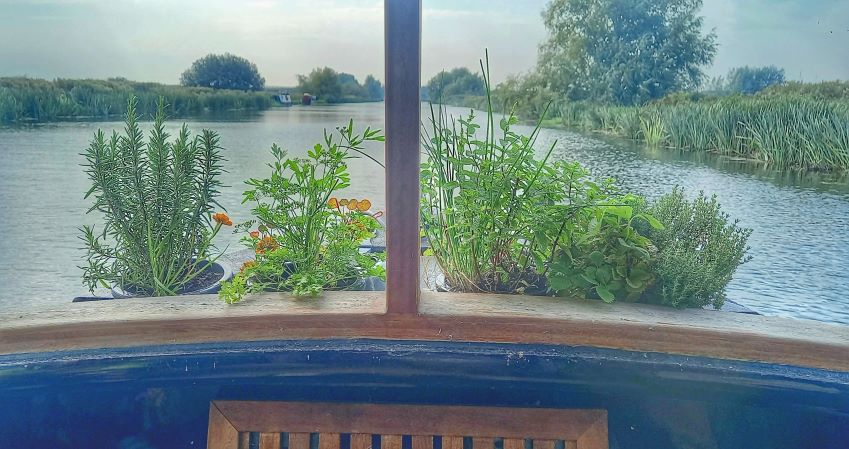
( This picture reminded me of The Mindful Narrow Boater’s own boxed garden on her barge. I love it)
But I also think her enormous following says more than just her fascinating account of her life, as she washes in local history, walks, beautiful filming of wildlife and brews tea at the end (as we all wait to see what she is putting on her plate this week) in the form of cake or some tasty snack.
More of us want to ‘get-away-from-it-all ’ the increase in motor home and camper van sales, the caravans and the rambles in the countryside, not to mention the increase in flights and seeking different holiday destinations. Also, the picking up a tent and taking off with wild camping such as we saw in last week’s blog The Salt Path.
We live in an ever-fast-paced world, of noise, screens and technology. I think most of us want to slow down, decompress, go on a walk, pick up a book, or camera and just breathe. For me, the escape on a Friday night (when new Vlogs are released) helps me forget the world and become absorbed in that week’s environment. Vanessa moors and steps off her narrow boat taking us on walks to fascinating museums, towns, mill factories and other buildings of the past Industrial Revolution. This appeals to my deep love of history as well as nature.
In saying this, I am under no illusion this is not an easy life as this week’s episode mentions the practicalities of seeking water, gas, and refuse collection points as well as the fitness required to deal with the opening and closing of locks. The latter seems monotonous and tedious and it slows you down.
It doesn’t appear you can get anywhere fast on a narrow boat, but maybe that’s the advantage. You must have patience, time and a mindset of facing challenges posed by the elements as you face each lock, one at a time. There are lessons to be learnt here as we face our own locks of obstacles, setbacks and challenges methodically overcome with patience and persistence.
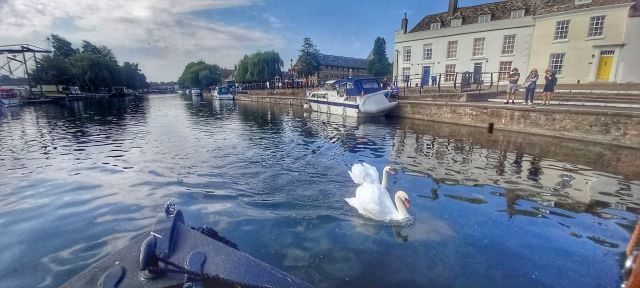
( This one is a connection to the two swans in this week’s Vlog)
This brings me back to ‘The Salt Path’, a journey completed on land, not water but there is a close, unbreakable force in a relationship with the outside world. Respecting this was key to the walker’s survival and respecting the land. I suspect this is just as much for Vanessa’s life as it was for Ray and Moth’s.
At the end of each week’s Vlog, the icing on the cake for me is, once the tea is brewed, then we catch a glimpse into this week’s capture of life in poems and exquisite coloured pencil drawings of birds, flora and other observations in her journal pages, which this author and illustrator sells on Etsy. They are divine and utterly gorgeous. I bought the two back copies and will buy the 2024 edition recently released. I won’t photograph mine for copyright reasons.
So, I would encourage you to take a look, as Patrons grow (the only YouTube channel I have ever signed up to) coffees bought and subscribers continue to rise. Vanessa is truly worthy of our support and one day we want to go to Manchester to experience part of this landscape first-hand. For now, Cornwall is the first destination.
Until next time…….
(On a related side note, the film ‘The Salt Path’ mentioned in last week’s blog’s release date is April 25th). The trailer is out and it looks epic.
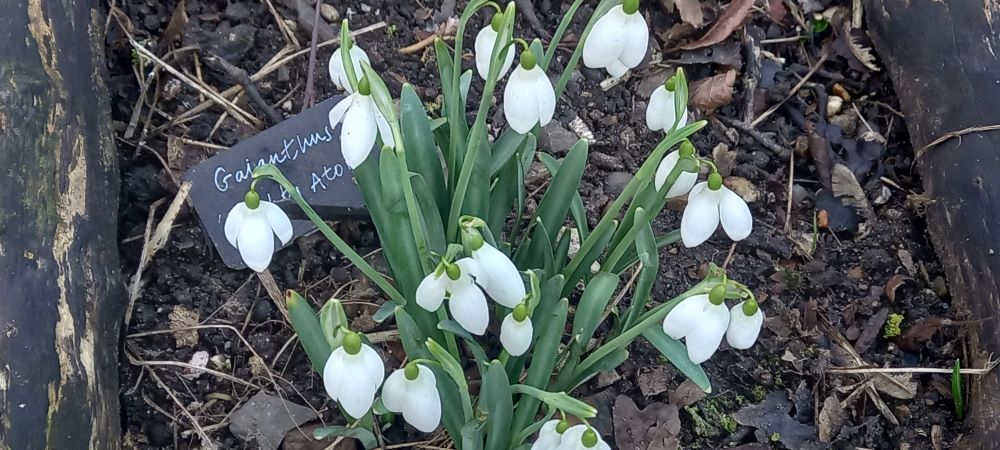
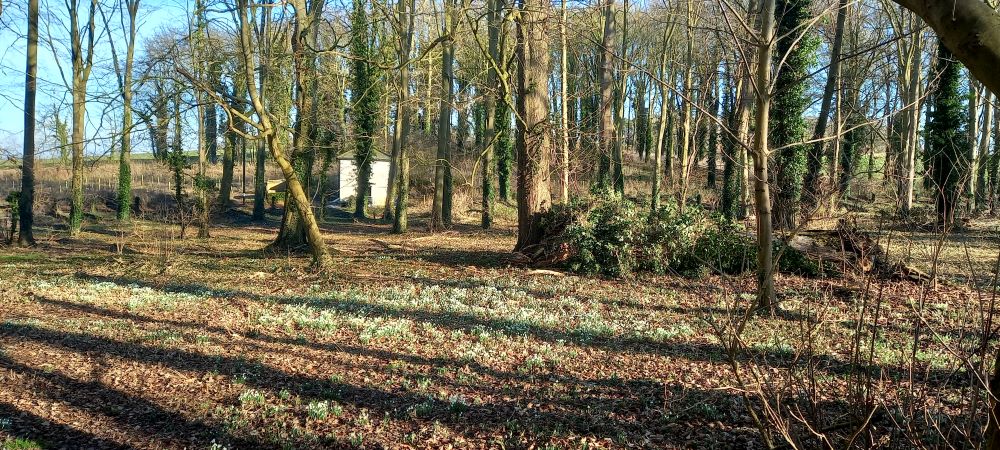
I love this place, like an annual pilgrimage to this most special of spiritual spaces. The yearly snowdrop walk is something I love to do. I have taken special friends, family and even myself alone here.
This is a short post this week as I am recovering from a winter virus, and I haven’t felt like doing much of anything (and feeling the Winter blues again) but going here on Sunday was such a boast.
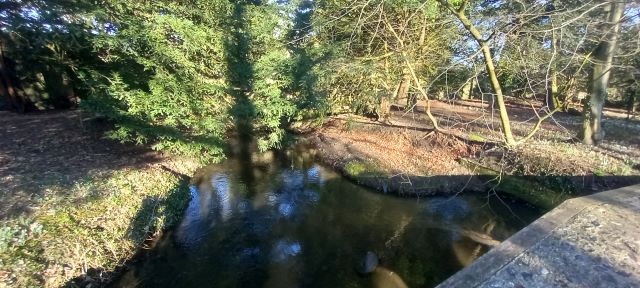
The woods and paths are beautiful, and it re-enforces the power of the outside, of green space, fresh air and above all walking.
I mentioned in my audio last week how I was inspired by a lovely lady called Vanessa living a life on a narrow boat and her beautiful journals. I’m realising why her work is so powerful because she observes in real time what is going on around her and then writes this down in her journal and poetry publications. This adds an extra layer of creative skill that is so clever and where you are actually feeling you are there and living it with her.
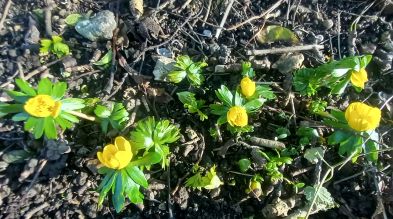
On my Sunday walk, I thought I would this a go. I had written a poem about snowdrops, but since my visit I have revised it. For example, I had an impression that snowdrop leaves were darker and shinier in real life than they really are. I changed this. I really looked at what I saw making a mental note about it, the sounds heard, the light in the trees trying to capture more than the superficial glance of the eye.
See what you think ( and just ignore the auto capitals on each line).
Snowdrops
Galanthophiles,
Lovers of white pearls of petal
Of softer pure, around leaves that settle.
Tips emerge from the hardened ground
Little bells rejoicing but without a sound.
Green tips, they peep from under trees and wood
Endearing arms with tiny, buttoned hood
Maidens lips, a touching kiss
That caresses each January and never miss.
Pale and smooth of leafy green
That people’s hearts wish to be seen
Of New Year’s walks and the hope they bring
Trumpets heralding the approach of spring.
To ponder and stare and never haste
I hear the Robin and feel his grace
To honour the snowdrops amongst the gall
A breeze with its swirling call.
We look towards their shy turned face
And on we walk, but lessen our pace
Galanthus nivalis
Snow maidens true
Our yearly guest
and never too few.
@helenmarshall Feb 2025
There is a lovely article about snowdrops here from the Woodland Trust if you care to read more about this charming and much-loved flower.
Take care and until next time…
Next week, we shall be exploring canal life on our walk.
PS: I heard last night I didn’t win the Happiful magazine poetry competition submitted in November with my poem called ‘Walking is My Saving Grace’ but I was proud I was brave enough to enter and was so impressed with how thoughtful, kind and hopeful the email response was. There were over 900 entries and apparently the judges were so impressed by the standard of entries. This actually felt genuine and there was a true compassion in their response and hope for future writing.
I can share my poem here at some stage because I think it is rather good!:))
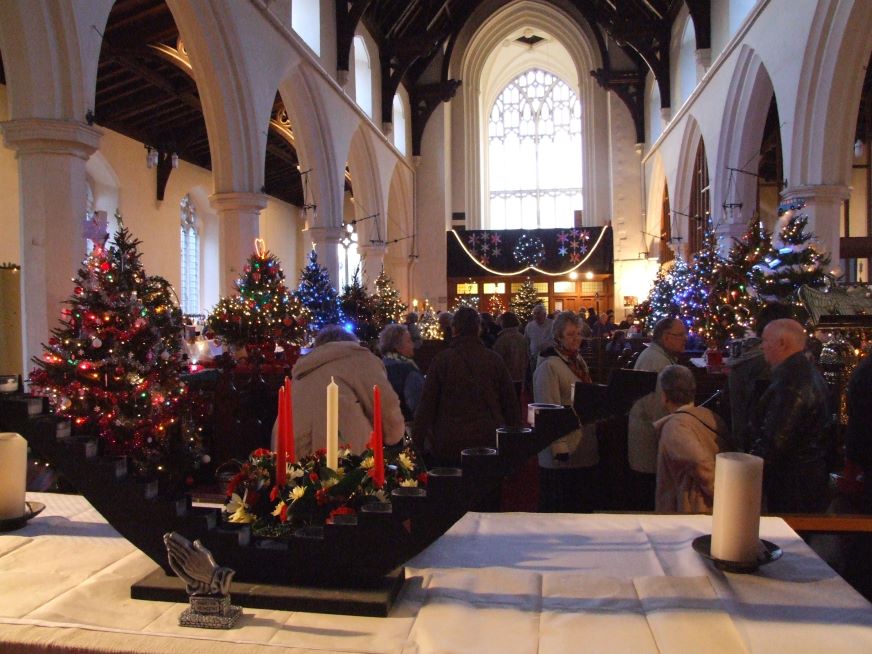
This photo was taken at a Christmas tree festival in Fakenham some years ago.
December is a strange month for me. It’s a month of contrasts and contradictions. One half of my brain says it should be a time of excitement as Christmas is coming and I love seeing decorative houses, lights shining and Christmas trees. My dad has always loved Christmas, and I enjoyed taking him around the garden centres full of festive foliage and cheer. It is an activity I shall always cherish. The little Christmas tree he bought us is always on our second-floor window.
But there is also a bleak and dark side of this month for me. Firstly, of course the weather, cold often grey and wet with the dark nights and the shortest days. I am a person who loves the lightness of a spring day. Darkness and cold remind me of the days of depression and a mind full of foggy treacle. And then there is the rush and expectation, the shopping, the spending and the preparation for Christmas and the weight of just getting through it all.
Of course, there is the traditional side of the Christian Christmas- the carol services, Advent wreaths and Christingle service—the Christian message of Christ’s birth and the Star of Bethlehem. I do believe in the Historical Jesus. There is too much evidence to deny that Christ existed. When I can I try to travel to Walsingham to the Anglian Shrine just to sit in the peace of that place at this time of the year and just forget about all the noise and responsibilities.
I don’t want to enter into too much discussion about the sensitivity of religion as I respect people of all faiths but while I believe that such a person existed my idea of a God is not of a ‘man’ in the sky looking over us. I believe God is everywhere, in the trees and in the air. God is energy for me that we can align with, and tap into, where we can enter a state of physical presence and where prayers are answered by tapping into the Laws of Attraction and Vibration. These laws are science-based and are ones that Einstein believed in.
I have digressed somewhat so I will come back to this blog post’s main message. This year, especially as November sprung some surprises, early planning of Christmas has been a lifesaver and up to this point a lot more manageable. Christmas budgets were set and saved for since September and at the time of writing only two more presents are left to buy.
There is a downsizing to this part of the year as well. There is an intentional aspect of care in how people should be thanked and who should be contacted. Rather than a quick message on a Christmas card, long-distance relatives (on my husband’s side) will be phoned. The menu for Christmas Eve and Day has already been decided upon. For several years, my husband and I forwent presents, making sure others had theirs when money was tight, but this year there will be something under the tree chosen by us for each other. Last year, there was nothing and that felt a bit sad and sparse.
I am really enjoying Beth Kempton’s Calm Christmas Podcast, easily found on Spotify, Instagram of Facebook. It comes out every Thursday and I’m looking forward to her Winter Sanctuary writing course which begins on December the 28th.
So far, I am managing reasonably well. Let’s see how I feel by Boxing Day.
It was the year 2010 and Dad, then aged 82, had come downstairs early, as he always did and sat in his chair, savouring the quiet morning. Only on this day, something didn’t feel quite right. Meanwhile, two doors down the road, an elderly bed-bound neighbour had accidentally pulled her alarm call button and this had triggered an ambulance response. Dad visited her daily to fetch the coal in for her fire and a chat. He later said she had been his guardian angel that day and had saved his life or prevented permanent disability.
Mum came downstairs and phoned my brother (in a panic) who then phoned 999. Dad couldn’t speak. The call came into the ambulance crew’s radio who were now two doors down. Realising the neighbour had made a call error, they were with my dad within five minutes and he received the magic of the Golden Hour, as far as receiving first-line treatment. Dad had suffered a major stroke.
By the time I managed to get to the James Paget hospital in Gt Yarmouth that evening ( my nursing team said we were too busy for me to get the time off work) I remember him sitting in the chair, his hands behind his head wondering what all the fuss was about. He made a full recovery.
However, it wasn’t long after that his eyesight started to deteriorate, and macular degeneration was diagnosed. Suddenly his life was turned upside down with a severe loss of sight. Woodturning, painting and driving were all gone very quickly. Approximately, 10 years after his stroke, cognitive impairment was diagnosed and this then proceeded to vascular dementia. A cerebral vascular accident is a known risk factor for vascular dementia and can occur within ten years of the incident. Dad fitted this time pattern.
Vascular and Alzheimer’s dementia are two words, along with other forms of dementia which sends a shudder through anybody who knows the living reality of this disease. Not seen as a medical disease but as a social disease, it robs people slowly of everything, slowly, cruelly and bit by bit. Loss of independence, loss of dignity, homes sold to cover care costs, life savings reduced to almost nothing and eventual loss of life.
Dementia is now the biggest killer in the UK from figures in 2022 and there is still no cure. But what is being discovered is how crucial vascular health is to our brain health. Whilst we mustn’t dismiss our fight against cancer and heart disease itself, people are beginning to sit up and take notice that our brain, the powerhouse to everything, deserves a more thorough look at how we care for it and what must do to protect it, to give us any chance of preventing or slowing the risk of dementia.
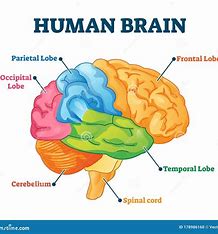
This last week, I watched on You Tube, The Diary of a CEO and Steve Bartlett who was discussing brain health with an eminent neuroscientist. He held a human brain in his hands. It was one of the whose epiphany moments for me. Steve spoke about how every thought, intelligence, creation, life event, experience, grief, job, hope, relationship is within this soft ball of what feels like tofu. What an incredible thing the brain is and how it contains everything about who we are.
There is still so much we don’t know about this organ. Some people firmly believe that the power of the mind can heal disease. Louise Hay in her book ‘You Can Heal Your Life’ ( see My Library) refers to her cure of a gynaecological cancer and Mary Morrissey ( another personal development mentor and manifestor ) talks of the power of the mind as she was cured of a potentially fatal kidney disease. I also see on X (Twitter) amazing people who are defying all the odds with stage 4 cancer because of utilising the power of the brain. Whatever you might think, I believe there is something in this to be noted.
In this interview, Dr Wendy Suzuki emphasises that exercise, enough to raise our heartbeat, is key to keeping what she calls a physically healthy big, fat, and fluffy brain. A brain that has the ability to have neuroplasticity—changing and developing new neural connections by challenging it, learning new things, and having strong social connections.
I also believe stress plays a huge part too in the development of Cerebral Vascular Disease. My dad walked a lot and was very fit and active but that didn’t stop him from having a stroke. The stress of caring for my long-term sick mother I feel played a crucial part in this.
From last week’s post looking at sleep, to my post Ikigai- finding your meaning and purpose, there seems to be a cycle that comes around to a full circle of where what we do, how we feel, our habits and actions all influences our brain health.
We have to start asking the question what are we doing today that could harm this incredible piece of tofu-like substance that literally houses everything that has happened to us and shapes who we are?
I would encourage anyone to look at the full interview with Steve Bartlet here, especially the first hour.
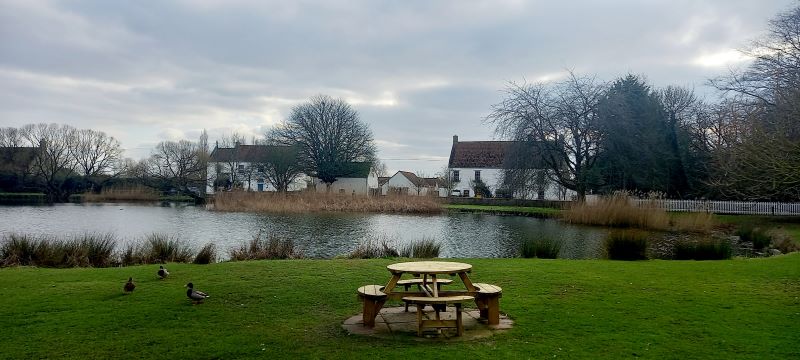
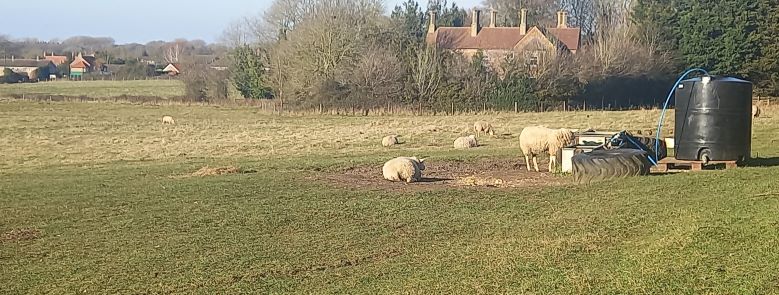
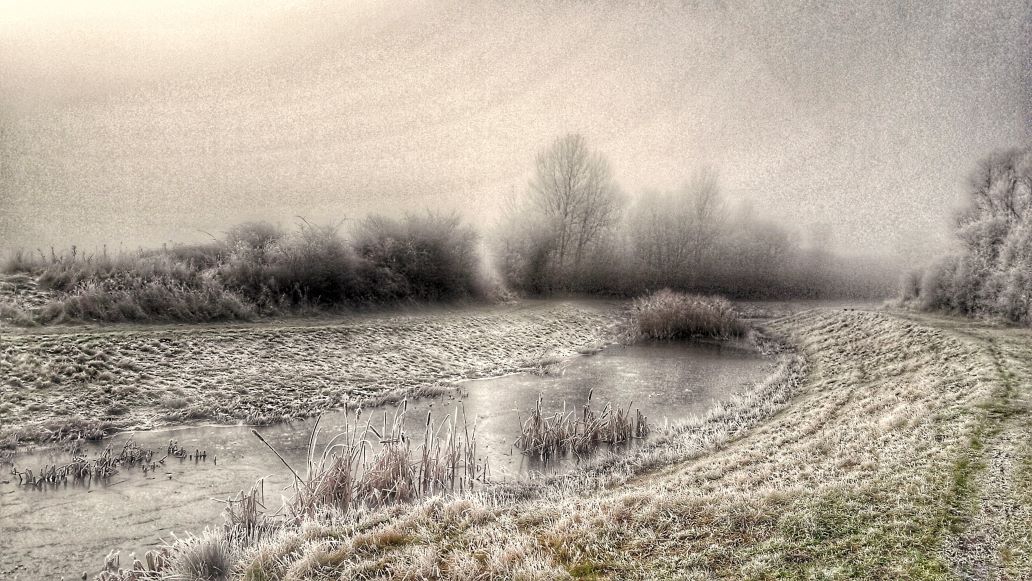
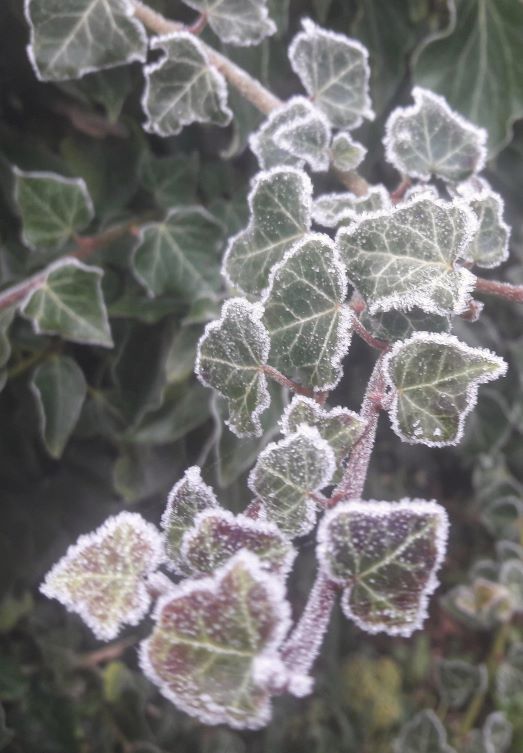
Similar to last week’s post on sleep, I can’t say everything here in one attempt and more will follow over subsequent weeks. For now, I leave you to look at two of my early morning walk photo from a local RSPB nature reserve Snettisham as one of my activities to get better sleep ( one factor crucial for brain health) and ask yourself how well do I look after my brain?
Until next time, where we begin a topic that is a focal point of everything- our habits.
Image of brain copyright accessed @microsoft.com October 29th 2024
( The following audio is not a transcript but as an accompaniment to this blog post. It sets the scene and I hope you might listen to this first.)
In her book ‘52 Ways to Walk’, the author Annabel Streets focuses in chapter 10 research which states that if you take a walk within one hour of waking then this will help you sleep better at night. Light helps to set up our body clock for the day. If we expose ourselves to it within one hour of waking, this enables every cell in our body to set themselves up as their own timekeepers. So, in effect by walking early in the day, you are creating a signal later on that it is time for bed.
Get-upand start moving:
Annabel further explains that you don’t need a long walk to get this effect. Just 10 minutes is enough and don’t be deterred by cloudy or rainy weather, like I have previously. Even dull days can provide enough lumens- one measure of light- to produce results that are more effective than indoor lighting can provide.
In addition, morning light triggers the feel-good factor hormone serotonin giving us a boost to get our day going and crucially this converts to melatonin later in the day to help us sleep at night. However, our light sensitivity is at its lowest first thing in the morning. We need a burst of light to help us wake up and this sets our circadian rhythms, essential for a good night’s rest.
The late Dr Michael Mosley also re-enforced this message in his Podcast and book ‘Just One Thing’ about how to live better both physically and emotionally. It is listed here as number one in this reference.
My own experiences of sleep disruption:
There are many reasons why we can sleep badly, and I too have had periods of acute insomnia. Usually, this has been when my brain simply can’t switch off at night because I have had something specific on my mind, or I have simply worked too late and my brain is still active. I’ve also noticed any late-night phone screen time particularly plays havoc with my sleep pattern.
Personally, I know I should have my phone out of the bedroom and get an alarm clock if I need to set one. However, my problem is I like to have it with me because of the sleep meditations I do at night on YouTube. Night meditations have really helped calm my mind before bed and sometimes I have fallen asleep with them playing in the background.
However, my mild phone addiction means I can’t help but sometimes scroll on social media before settling down or absorbing yet more content online ranging from all my favourite channels, to simply watching how to do calligraphy, (the very thing I’m learning in the evenings to help me get away from screens). Hence, it can be a vicious cycle because I find it hard to put the phone down, and that disrupts not only when I turn the light off but also how much blue light I have been absorbing. I’m not sure what the answer to this is.
I also nightly mist my pillow with lavender spray. This may act simply as a placebo effect but it is something I enjoy and it has a soothing smell. My friend regularly provides a nice one from Avon and it is something I don’t want to be without.
Having a reduced body temperature at night also aids sleep, so keeping bedrooms at a cooler temperature will also help. I sleep with light covers and no heating on in the bedroom, but then I do live in a three-storey house and the heat rises. My bedroom is neither too cold nor too hot.
The Menopause and Sleep Disruption:
The menopause is also a challenging time for women with regards to sleep. This did affect me for a short period of time. I mention this briefly as I have no real experience of how traumatic this stage of life can be, but I do appreciate that it can affect women badly and in many different ways. I would encourage any women reading this to leave a comment about these experiences, if they feel able, and any suggestions which might help. At least there appears to be more professional advice available something that our mothers never had.
Sleep is such a huge topic that one blog post can only touch the surface of a sleep’s pillow. My aim is to set aside one week of mornings where I will get up and walk within one hour of waking every day to record what effect this has. So far my attempts have been feeble as often it has started to rain. Yesterday, I got up and got out and I felt really good afterwards. My day started and went really well for the rest of it, and I noticed I had more energy and focus. Do say what works for you and what also contributes to your own poor sleep quality, if you feel able to share, so we all might get a better night’s rest.
Until next week and thanks for stopping by for anyone new here…….
References: I hope these will help you to further explore this subject.